
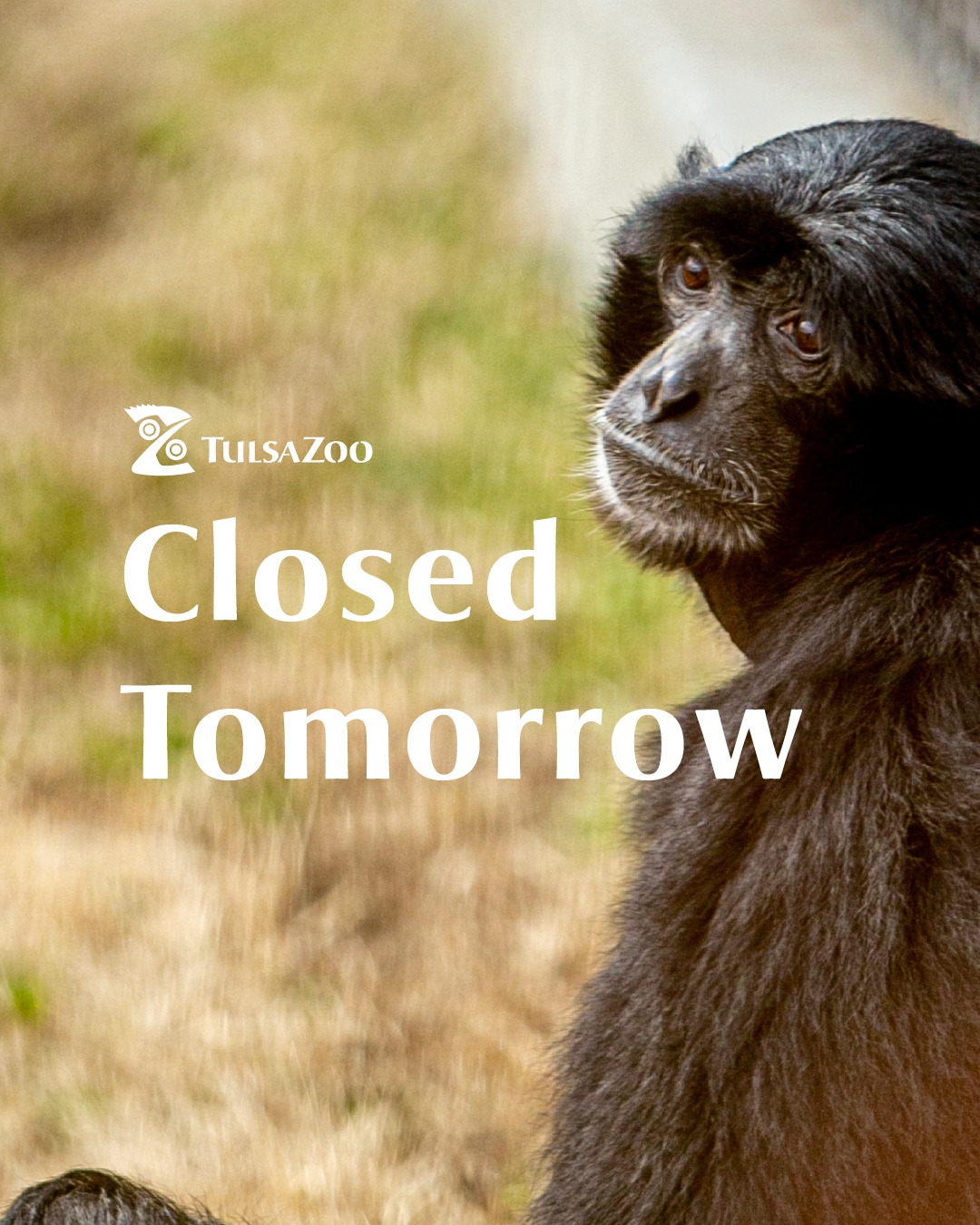
- Tulsa Zoo will be closed on November 27 for Thanksgiving Day.
- The importance of zoo closures for animal welfare and staff well-being.
- Visitor engagement and educational opportunities at Tulsa Zoo.
- The role of zoos in wildlife conservation and species preservation.
- Information about zoo operations and future events.
The Tulsa Zoo will temporarily close its gates to the public on November 27 in observance of Thanksgiving Day. These closures are essential, allowing the staff a chance to rest and spend time with their families. It is crucial for animal care teams and other zoo employees to recharge, as their roles require considerable energy and dedication year-round. The comprehensive care of the animals demands continuous commitment, making these closures beneficial for both the staff and the animals.
The well-being of animals housed in zoos is pivotal. Animals rely on caretakers for their daily needs, including feeding, habitat maintenance, and monitoring health. By taking a full day off, staff can come back refreshed, ensuring that the animals receive the best possible care. This practice reflects a growing acknowledgment within zoo management that employee welfare is integral to the overall quality of animal care and visitor experience.
Visitor engagement is a significant focus for the Tulsa Zoo, as the institution serves as an educational hub in the local community. Numerous programs offer insights into animal behavior, ecology, and conservation. The absence of public visitors on certain days allows staff to implement educational upgrades and organize animal enrichment activities without the stress of public observation. Enrichment is vital for the mental and physical health of zoo animals; it mimics challenges they would face in the wild and promotes natural behaviors, improving their quality of life.
Once the Tulsa Zoo reopens on November 28, guests will find a vibrant array of programming waiting to be discovered. Interactive exhibits illustrate the complexity of ecosystems, while workshops and educational seminars deepen the understanding of biodiversity. These activities are essential for sparking curiosity and inspiring a new generation to appreciate wildlife and engage in conservation efforts.
Additionally, zoos play a critical role in wildlife conservation. Around the globe, numerous species face existential threats due to habitat loss, poaching, and climate change. Institutions like the Tulsa Zoo contribute to global conservation initiatives aimed at preserving threatened populations and restoring their habitats. The Tulsa Zoo has participated in breeding programs for endangered species, as well as efforts focused on habitat preservation in collaboration with various conservation organizations.
Zoo operations, particularly during holiday closures, include preparations to manage animal care effectively. During their absence, zookeepers plan and stock fresh food, clean habitats, and set up enrichment exercises. Behind the scenes, technology may assist in monitoring animal health, ensuring that care remains consistent regardless of public access.
Plan your next trip to the Tulsa Zoo for an immersive educational experience. Observing animals in person provides unique learning opportunities and a connection to the natural world. The zoo’s commitment to conservation underlines the pressing need for public awareness about environmental issues. Guests who engage with the animals and their stories are likely to leave with a greater understanding and appreciation for wildlife.
The Tulsa Zoo not only represents a place of leisure and education but also functions as a center for scientific research. Studies ranging from genetics to behavior analysis conduct research that supplies valuable data to wildlife conservation efforts. This research reinforces the critical relationship between zoos and their counterparts in the field, making advancements in species protection and public education.
As Thanksgiving approaches, understanding how institutions like the Tulsa Zoo contribute to broader conservation efforts becomes increasingly relevant. Zoo closures for holidays provide staff with well-deserved breaks while simultaneously contributing to animal welfare. The commitment to both animals and the public exemplifies the zoo’s role as an educational and conservation leader in the community.
In light of this closure, visitors are encouraged to respect the zoo’s need for staff to recharge while planning for their return. The Tulsa Zoo stands ready to welcome guests interested in learning more about the world of animals and the efforts being made to protect them.
The holiday season presents an excellent opportunity to reflect on the essence of wildlife conservation. This is not just about maintaining animal populations within zoos; it concerns ensuring that species can thrive in their natural habitats. Active participation in zoo events and conversations about wildlife issues creates a ripple effect that transcends the zoo grounds.
An understanding of these principles can ignite passion for conservation. Engaging with the Tulsa Zoo can serve as a gateway for many to take a more active role in environmental stewardship. The annual closure on November 27 for Thanksgiving Day does not simply signify a pause in public relations; it embodies a commitment to the animal community and showcases the support for dedicated zookeepers who strive to provide exemplary care.
As the Tulsa Zoo prepares to resume operations on November 28, guests can look forward to a diverse array of exhibits and a vibrant atmosphere that celebrates both domestic and exotic wildlife. Observing animals in their unique habitats offers an unparalleled experience of nature that prompts respect and advocacy for conservation efforts.
In a world facing numerous ecological challenges, the role of zoos in promoting awareness and education cannot be understated. The Tulsa Zoo encapsulates this mission, aiming to foster a deep connection between people and wildlife. Each visitor plays a part in the story of conservation, helping elevate the discussions around biodiversity and habitat protection.
Zoo management continuously analyzes visitor patterns and feedback to enhance the overall experience while balancing animal welfare and safety. This ensures that the environment remains welcoming yet responsible. Through thoughtful programming and ongoing conservation efforts, the future of the Tulsa Zoo looks promising.
So as the holiday approaches, keep in mind the vital missions of institutions like the Tulsa Zoo. Remember that your visits help support not only the zoo but also broader conservation initiatives that impact wildlife around the globe. After a brief pause, the zoo looks forward to welcoming everyone back to engage fully with the wonders of the animal kingdom. Have a safe and joyful Thanksgiving!
*****
Source Description
Tulsa Zoo will be closed to the public tomorrow, November 27, for Thanksgiving Day. We look forward to welcoming you back on Friday, November 28. Thank you for your understanding and have a safe holiday!
