
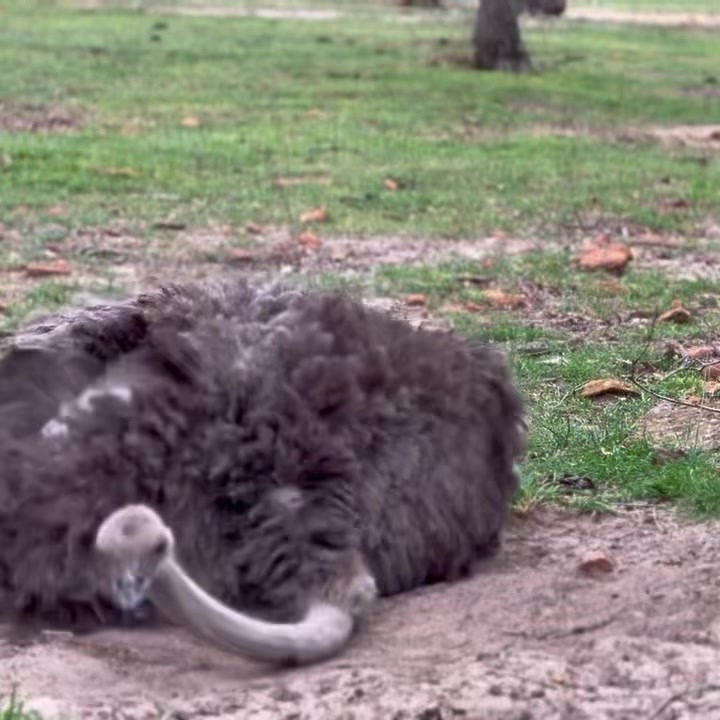
- The role of dust in avian grooming and hydration.
- Understanding the significance of feather maintenance for bird health.
- Analyzing the relationship between sand and feather cleanliness in different species.
- The implications of environmental changes on avian grooming habits.
- The role of zoos and wildlife conservation efforts in preserving bird species.
Grooming behaviors in birds are intricate and multifaceted. One striking aspect of these behaviors includes the use of dust in their grooming routine, often with comedic prevalence in popular media and advertisements, as hinted by the phrase “Maybe she’s born with it, maybe it’s sand and things?” This phrase, while catchy, underscores an essential natural phenomenon that holds significance for avian health.
Dust acts as a natural agent in maintaining feather condition, providing both cleansing and hydrating properties. For many bird species, playing in the dust is a habitual activity. This behavior is not merely for aesthetic appeal; it plays a crucial role in feather health. Dust can absorb excess oils that accumulate on feathers, preventing them from becoming overly greasy and facilitating the proper function of plumage.
Feathers serve essential functions, from thermoregulation to flight. Many birds have adapted specific grooming habits to maintain their feathers’ integrity. For instance, parakeets, canaries, and finches are often seen rolling in sand or dust, coating their feathers with fine particles. This acts as a cleaning agent and a protective layer that enhances feather strength.
The process of dirt bathing can also help remove parasites that may be present on the bird’s body. Feather maintenance, therefore, is integral to a bird’s overall health and quality of life. Neglecting feather care can lead to health issues, including impaired flight capabilities, problems with thermoregulation, and susceptibility to parasites.
Exploring the significance of dust within the context of feather maintenance illuminates how different bird species employ varied strategies for grooming. Not every bird utilizes dust in the same way, and these grooming habits can vary widely between species. For example, some birds may require more frequent dust baths due to their habitats and lifestyle. Birds living in arid environments may engage in more frequent dust baths compared to those in wetter climates. The physiological adaptations that birds develop to maintain feather condition highlight their resilience.
Additionally, sand serves more than just a cleansing role. The mineral particles in sand can be beneficial to birds that consume them. The grit helps in the digestion of food within the gizzard, enhancing nutrient absorption and aiding overall health. This connection between maintenance behaviors and health underscores the complexity of avian grooming habits, displaying a sophisticated understanding of habitat utilization.
As environmental changes occur, the impact on grooming behavior and hygiene should not be overlooked. Habitat destruction, climate change, and pollution all contribute to altering how birds care for their feathers. Access to suitable dust and sand sources may diminish, forcing birds to adapt their grooming behaviors. This adaptation could have both direct and indirect effects on bird populations, potentially influencing breeding success and survival rates.
Zoos and wildlife conservation organizations play a paramount role in addressing these concerns. By studying avian behaviors, conservationists can assess the health and needs of different bird species. Understanding the grooming habits—specifically the use of dust and sand—can aid in crafting environmental enrichment programs that mimic natural conditions.
When creating habitats within zoos, attention to the provision of dust baths can replicate natural grooming routines. This might involve incorporating specific substrates for birds to dust bathe or access to clean sand sources. Such enrichment can help maintain the physical health of birds and complement efforts to breed and rehabilitate vulnerable species.
Conservation efforts have wider implications. Protecting bird habitats goes beyond just preserving natural spaces. It involves maintaining the ecological balance that allows for grooming behaviors integral to bird survival. Promoting environmental stewardship among the general public can enhance awareness of the relationship between birds and their habitats.
In particular, educational initiatives can highlight how our actions impact avian populations. For instance, reducing the use of pesticides can support the insect populations that many birds rely on for food, thus ensuring a healthier ecosystem conducive to maintaining feather health.
Public interest in birds has surged, influencing conservation policy. Birdwatching, feeding, and photography have created communities advocating for bird health and diversity. Each engaged individual can contribute to a larger understanding of the role that grooming behaviors play in the broader context of avian health and ecological balance.
In summary, the phrase “Maybe she’s born with it, maybe it’s sand and things?” serves as a playful reminder of the profound connection between dust, sand, and avian grooming habits. Conscious participation in wildlife conservation and habitat preservation begins with recognizing the complexities that underpin bird health and grooming routines. Understanding their need for dust baths paves the way for enhanced conservation strategies that can support these magnificent creatures in their natural habitats.
The discussion around avian grooming, especially the role of dust and sand, also can spark further studies and educational initiatives that foster a greater appreciation for the natural world. Supporting sustainable practices in our daily lives enables us to have a lasting positive influence on wildlife ecosystems. Each action we take reflects on the broader foundation for eco-friendly avian populations.
By engaging deeply with these intricate aspects of bird life, we enable future generations to appreciate and protect avian species and the environments that sustain them. The careful management of both natural and artificial habitats can dramatically improve the conditions necessary for birds to thrive. Ultimately, understanding and respecting the nuances of grooming behaviors become essential for effective wildlife conservation.
*****
Source Description
Maybe she’s born with it, maybe it’s sand and things? 💄✨
Getting dust in between their feathers helps absorb excess oils and is a part of their grooming process.
