
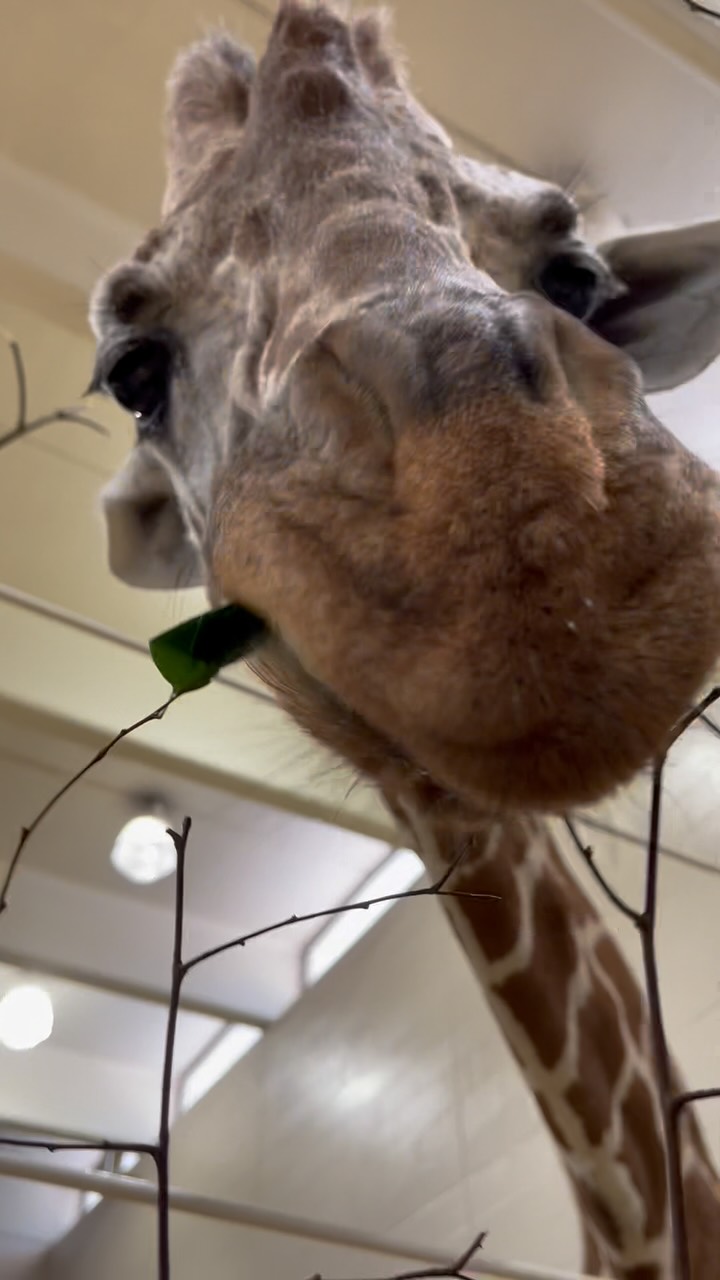
- The role of hornbeam browse in animal diets, particularly for herbivores
- The benefits of browse enrichment in zoos
- The significance of animal keepers in wildlife management
- Overview of AJ’s species and habitat requirements
- The impact of social media on wildlife conservation awareness
Hornbeam browse plays a crucial role in the diets of various herbivorous animals. Hornbeam trees (Carpinus betulus) are known for their nutritious and fibrous leaves. These trees are often a preferred choice for zoos as they provide essential nutrients that herbivores require for well-being. The high fiber content promotes healthy digestion, while vitamins and minerals present in the leaves contribute directly to the overall health of animals like AJ. By incorporating hornbeam browse into their diet, keepers can mimic elements of these animals’ natural foraging behaviors, ensuring they receive a varied and rich diet.
The incorporation of browse into an animal’s diet is a vital part of enrichment provided by zookeepers. This practice not only offers nutritious food but also stimulates natural behaviors, such as browsing and foraging. Animals that engage in these behaviors exhibit healthier lifestyles and emotional well-being. For instance, AJ may display more active behaviors and engage more with his surroundings while exploring the hornbeam branches. Such activities are essential for mental stimulation and can prevent issues like boredom and stress. Enrichment strategies within zoos enhance the quality of life for animals by replicating aspects of their natural environment.
The role of animal keepers, like Tashawna, is instrumental in wildlife management and conservation. Animal keepers are highly trained professionals who possess extensive knowledge about the animals under their care. Their responsibilities include monitoring animal health, preparing diets, conducting behavioral observations, and providing enrichment activities. People like Tashawna not only care for the animals but also educate the public about wildlife conservation. Their work contributes significantly to the zoo’s mission by promoting awareness and encouraging conservation efforts among visitors. The visibility of animal keepers through social media platforms helps raise awareness about animal welfare, leading to improved public understanding and support for conservation initiatives.
AJ, the animal in focus, often serves as an ambassador for his species. Understanding AJ’s specific needs is vital in animal management. For instance, knowing AJ’s age, species, and natural habitat helps keepers tailor their care and enrichment efforts. AJ may thrive in an environment that mimics his native habitat, including access to browse such as hornbeam. This not only provides nutritional benefits but also encourages the expression of natural behaviors, such as browsing and exploring. By focusing on AJ’s species-specific needs, zookeepers can create a supportive environment that fosters both physical and psychological health.
Social media, particularly platforms like Instagram, has become an effective tool for educating the public about wildlife conservation. Through captivating content, such as videos and posts showing animals enjoying their food or engaging with enrichment, zoos can reach a wider audience. This format not only informs viewers about animal care practices but also inspires action in family, friends, and communities. Highlighting experiences like AJ enjoying hornbeam browse fosters a personal connection to wildlife and conservation efforts. The immediate feedback that social media provides also enables zoos to adapt their messaging and engage in discussions around wildlife, broadening the dialogue about conservation and animal welfare.
Incorporating a plant like hornbeam into the diet of animals like AJ offers numerous advantages. Hornbeam’s leaves are tough and fibrous, replicating the natural foraging behavior that animals engage in the wild. This kind of browsing helps maintain dental health as animals wear down their teeth while chomping on these fibrous materials. Additionally, feeding on various browse items provides a diverse intake of nutrients that complements the overall dietary needs of herbivores. This diversity is key to avoiding nutritional deficiencies and promoting better health outcomes.
Animal keepers use a variety of strategies to introduce new foods into an animal’s diet. This process often involves gradual exposure to browse such as hornbeam, allowing animals like AJ to develop preferences over time. By observing how AJ interacts with different types of browse, keepers can modify his diet for optimal nutrition. These observations are important; they inform not just feeding practices but also overall management decisions concerning AJ’s health and welfare.
Another important aspect of browse use in zoos is the seasonal variation of available foods. Just as in the wild, the types of browse that are optimally available can change over time. Understanding the local climate and the specific plants that thrive in those conditions allows zookeepers to adapt feeding strategies that reflect these changes. For instance, during the winter months when fresh leaves might be sparse, keepers may provide AJ with stored branches or alternate sources of nutrition to maintain a balanced diet.
In addition to dietary considerations, the use of browse contributes to the enrichment of enclosures. Serving hornbeam or other types of natural browse in various forms can promote an environment where animals feel secure and stimulated. For AJ, the presence of browse may encourage him to explore, climb, and interact with natural vegetation, all of which contribute to a healthy lifestyle. Enclosure designs that integrate live plants and browse can transform an area into a dynamic habitat where animals feel more like their counterparts in the wild.
Moreover, when animal keepers engage with the public through social media updates featuring animals like AJ, they cultivate a sense of community among wildlife enthusiasts. Posts regarding AJ and his experiences with hornbeam browse can inspire followers to learn more, support wildlife conservation, and even visit their local zoos. When people learn about the needs of animals and how habitats can be enriched, they become advocates for better practices in animal care and conservation efforts across communities.
The combination of social media engagement and effective animal management practices plays a significant role in elevating the public’s awareness of wildlife challenges. By showcasing animals experiencing joy through interactive and stimulating environments, keepers can draw attention to the need for conservation initiatives. This continued visibility enhances the understanding of the delicate balance between wildlife and their habitats, as well as the threats they face due to habitat loss, urbanization, and climate change.
As we celebrate AJ’s experiences with hornbeam browse, let us also recognize the various efforts in wildlife conservation and animal care that ensure healthier animals in our zoos today. The collective action of trained professionals, knowledgeable keepers, and engaged audiences contributes to the welfare of animals. It reflects a commitment to preserving wildlife and raising awareness about the responsibilities we share toward our planet and its inhabitants. Each post, every interaction, and all educational outreach efforts are stepping stones toward greater understanding and stewardship in the conservation community. This holistic approach fosters a world where animal care, wildlife health, and community awareness go hand in hand, creating a brighter future for wildlife both in captivity and in the wild.
*****
Source Description
We hope AJ enjoying some hornbeam browse will brighten your Wednesday 😌
🎥: Keeper Tashawna
•
•
•
•
•
•
