
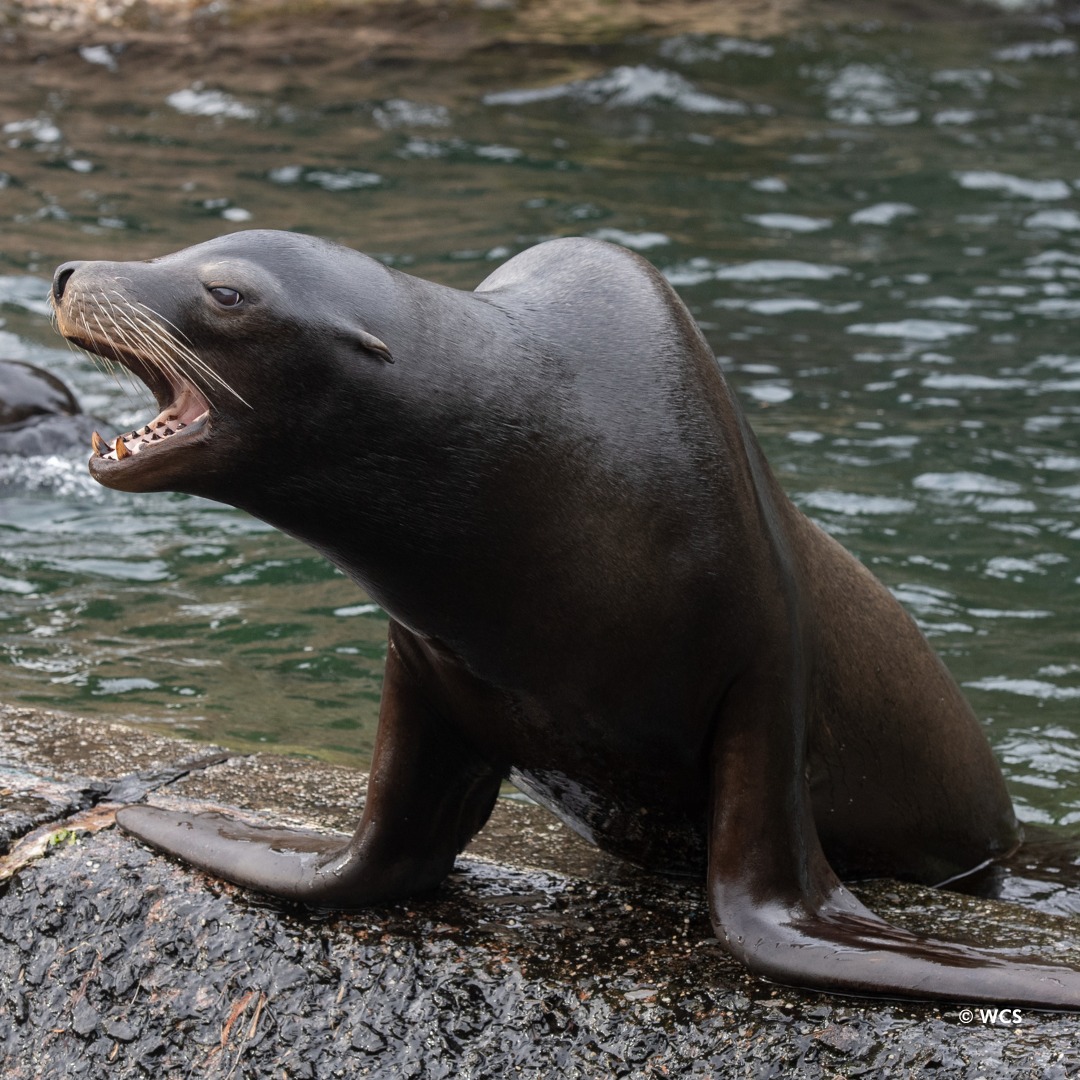
- California sea lions boast black teeth, a feature linked to beneficial bacteria.
- The absence of enamel in sea lion teeth offers a different perspective on dental health.
- Healthy oral bacteria in sea lions protect against disease and decay, contrasting with human dental care.
- The feeding sessions at the Queens Zoo provide valuable insights into sea lion behavior and care.
- Understanding the biology and behavior of California sea lions aids in effective wildlife conservation efforts.
California sea lions are fascinating marine mammals commonly found along the western coast of North America. One of the most distinctive features of these animals is their black teeth. This unique characteristic is not the result of poor dental hygiene or an excessive consumption of sugary treats, but instead stems from a symbiotic relationship with healthy bacteria that inhabit their mouths. These bacteria not only provide a dark coloration to the teeth but also play a crucial role in keeping them free from decay and disease.
Unlike humans, whose teeth are protected by a hard, outer layer known as enamel, California sea lions possess a different dental structure. Their teeth lack this protective enamel, making them susceptible to various oral health issues if not properly managed. However, the frothy mixture of microbial life thriving in their mouths serves as an effective natural defense against potential threats. The bacteria produce compounds that can inhibit the growth of harmful microorganisms, therefore preventing tooth decay and gum diseases.
In order to fully appreciate the significance of black teeth in California sea lions, it’s important to examine the oral health of marine mammals compared to terrestrial animals. In human dental health, enamel serves as a vital barrier against bacteria and acids that can lead to cavities. Animals like sea lions, however, have evolved a different approach to dental maintenance. The key lies in their microbial communities.
The mouths of California sea lions are home to a myriad of bacteria, some of which are beneficial. These bacteria promote a balanced ecosystem that works in tandem to maintain oral health. Their interactions with food particles and other oral substances create a healthy oral environment, significantly reducing the risk of dental complications. In contrast, human dental care often focuses on eliminating bacteria, with the goal of minimizing the risk of oral diseases. This difference in dental strategy showcases the remarkable adaptability of nature and the various solutions it generates for common biological problems.
The unique dental strategy of California sea lions further highlights the importance of understanding these animals in their natural habitats. A sea lion’s oral health is not simply a matter of aesthetics; it directly impacts their feeding efficiency and overall survival in the wild. Healthy teeth enable these marine mammals to capture and consume prey effectively. This is crucial since their diet primarily consists of fish and squid, which require formidable chewing strength and durability.
Observing California sea lions at their feeding sessions, such as those held daily at the Queens Zoo, allows attendees to gain insight into these behaviors and their interactions with their environment. During these sessions, animal care teams provide informative talks, sharing insights about the sea lions’ diets and how their oral health is maintained. Such interactions offer an invaluable opportunity for the public to engage with wildlife and foster an appreciation for marine conservation.
The feeding sessions can also spark curiosity about the daily lives of these social creatures. California sea lions are highly social animals, often found in large groups called colonies. Their playful nature and vocal communications enhance the experience for visitors. Understanding these interactions contributes to a broader appreciation of their role in marine ecosystems.
Another fascinating aspect of the California sea lion is its adaptation to various marine environments. Their ability to navigate through different habitats showcases their resilience. They can thrive in diverse conditions from sandy beaches to rocky shorelines. This adaptability is partially supported by their diets, which are rich in fat and protein, essential for maintaining their energy levels and health.
The significance of California sea lions extends beyond their intriguing biology. They play an essential role in the marine ecosystem. As apex predators, they help regulate fish populations, ensuring a balanced environment. The importance of conservation efforts to protect these animals is paramount. Habitat loss, pollution, and climate change pose serious threats to their well-being.
To advocate for these marine mammals, it’s vital to understand the challenges they face. Conservation organizations work tirelessly to mitigate risks by providing education, supporting research, and implementing protection measures. Community engagement initiatives are also crucial. By fostering connections between the public and wildlife, organizations can cultivate a sense of responsibility towards marine conservation.
The black teeth of California sea lions serve as a powerful reminder of the intricate relationship between organisms and their environment. Their oral health adaptations reflect their evolutionary path and highlight the diverse survival strategies employed by various species in the animal kingdom. Respecting and understanding these unique traits can inspire greater efforts towards protecting marine ecosystems.
Efforts to conserve California sea lions also include rehabilitation programs for those injured or ill. Many rescues focus on assessing the health of individual sea lions and providing medical treatment as needed. Once rehabilitated, successful reintroductions into their natural habitats are often attended to ensure they can thrive again in the wild. These initiatives aim to create healthy populations and maintain ecological balance.
Zoos and aquariums serve as important partners in wildlife conservation. The Queens Zoo, in particular, aims to educate the public about California sea lions through its engaging feeding sessions and informative talks. By sharing insights about their marine mammal programs, participants gain a more profound understanding of these creatures and their ecological significance.
Visitors to the Queens Zoo can witness firsthand the social interactions that define California sea lions. The playful dynamics observed during feeding sessions can inspire budding wildlife enthusiasts. Many people leave with a newfound appreciation for marine life and the need to support conservation efforts actively.
By engaging in these educational experiences, zoo visitors not only become aware of the complexities surrounding California sea lions and their black teeth but also gain insights into broader environmental issues. Awareness is essential to creating advocates who will help protect marine ecosystems both locally and globally.
The relationship between California sea lions, their black teeth, and their healthy bacteria brings forth important conversations about wildlife health and environmental conservation. Understanding these animals enriches human knowledge of marine biology and ecology.
With the challenges facing California sea lions today, the role of conservationists and educators becomes even more essential. Through dedicated activism and outreach, a collective effort can ensure that these remarkable animals continue to thrive in their natural environment for generations to come. The journey of understanding and protecting California sea lions not only highlights the complexity of nature but emphasizes our responsibility to safeguard the delicate balance of marine ecosystems.
Participating in feeding sessions at the Queens Zoo provides firsthand knowledge about these incredible creatures. Observations made during these interactions can catalyze a lasting commitment to wildlife education and conservation. The allure of California sea lions, combined with new understandings about their dental health, serve as an invitation to foster greater respect for the marine world.
*****
Source Description
Did you know California sea lions have black teeth? This isn’t because of too much Halloween candy. It’s due to the healthy bacteria that live in their mouths and protect their teeth from disease and decay! Unlike humans, sea lions don’t have enamel on their teeth and the dark colored bacteria provides the protection from tooth decay and gum diseases. 🦷
Join us daily at the Queens Zoo for sea lion feeding sessions held at 11:15 am, 2:00 pm, and 4:00 pm to learn more about our California sea lions from our animal care team.
