
- The role of local volunteers in gorilla conservation in Cameroon
- The significance of the Ebo Forest ecosystem
- Collaboration between San Diego Zoo Wildlife Alliance and community groups
- Challenges in gorilla conservation efforts
- Future prospects for gorilla protection and habitat sustainability
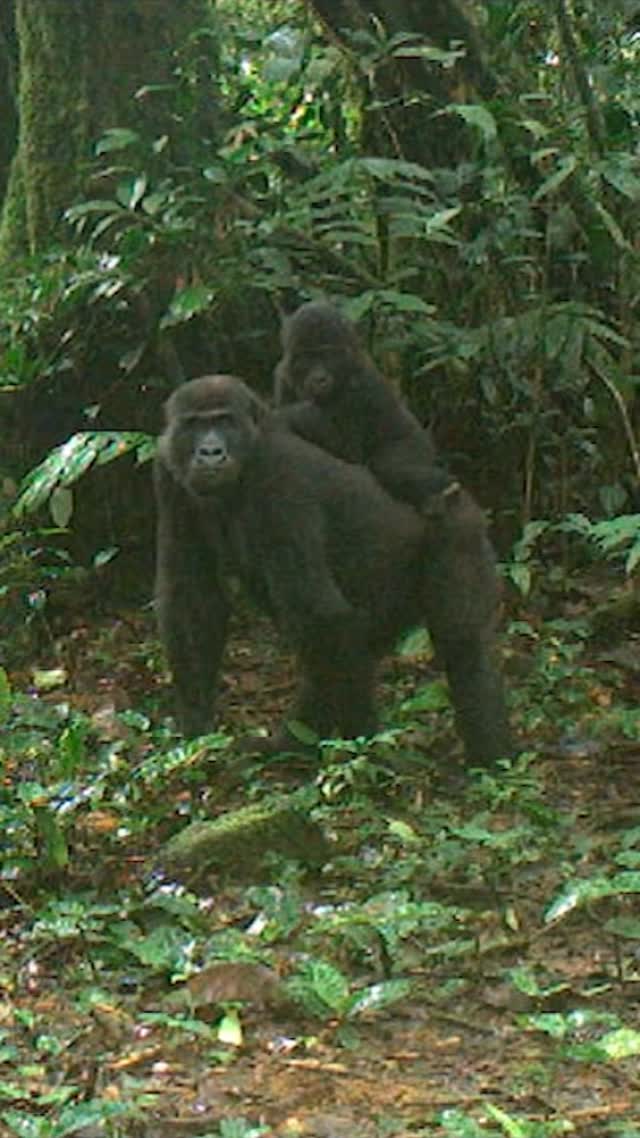
The conservation of gorillas in Cameroon relies heavily on the dedicated efforts of local volunteers. In the Ebo Forest, an area rich in biodiversity, passionate individuals form the “Clubs des Amis des Gorilles,” or Gorilla Guardian Clubs. Their mission is to monitor the gorilla population through trail cameras and safeguard these animals, which are isolated from other groups by significant distances and urban development. This grassroots initiative represents the community’s commitment to wildlife preservation and highlights the critical intersection of humans and nature.
The Ebo Forest is a remarkable ecosystem that offers critical habitat for the Cross River gorilla, a subspecies of the western gorilla. This area provides not just shelter for these primates but also a rich environment for other plant and animal species. Known for its dense forests, mountainous terrain, and diverse habitats, the Ebo region plays an essential role in maintaining ecological balance. It stands out as one of the last refuges for this rare gorilla population. The isolation of these gorillas from other groups poses both threats and opportunities for their survival.
One of the key partnerships in this conservation effort is between the Gorilla Guardian Clubs and the San Diego Zoo Wildlife Alliance. This collaboration encompasses a shared vision focused on protecting the gorilla population while promoting sustainable practices within the community. Often, local volunteers receive training from wildlife specialists. This education empowers them with knowledge about gorilla behavior, ecological principles, and conservation strategies. The alliance facilitates access to technological resources, such as trail cameras, that allow volunteers to monitor animal movements.
While the enthusiasm and dedication of local volunteers are commendable, they face significant challenges. Habitat destruction due to logging, agriculture, and human encroachment poses a constant threat to the gorillas and their environment. Poaching is another critical issue, as some individuals see gorillas as either threats or sources of income. Effective communication and community outreach are vital in mitigating these threats. By fostering understanding through education, volunteers can help transform local perspectives on gorillas from threats to conservation icons.
Future prospects for gorilla protection appear promising with ongoing efforts focused on habitat restoration and community engagement. The role of the Gorilla Guardian Clubs is indispensable in observing wildlife and reporting any alarming changes in the ecosystem. These citizen scientists are essential in safeguarding the Cross River gorillas while ensuring that biodiversity is acknowledged and appreciated. Additionally, programs aimed at ecotourism and sustainable agriculture can generate alternative income sources for communities. This not only alleviates pressure on local wildlife but also encourages a more harmonious relationship between residents and their natural surroundings.
In navigating the complexities of wildlife conservation, innovative approaches have emerged. For instance, involving communities in wildlife monitoring allows for a shared sense of responsibility and ownership. Local stakeholders actively participate in decision-making processes, ensuring that their voices are heard and integrated into broader conservation strategies. This inclusive approach fosters trust and cooperation, making long-term success more achievable.
Moreover, engaging youth through educational programs plays a pivotal role in shaping future conservationists. Workshops, field excursions, and interactive learning experiences build awareness and instill a passion for wildlife protection early on. As young people become informed stewards of their environment, they are more likely to inspire their peers and families to invest in conservation efforts.
The technological landscape in conservation is continually evolving. The use of camera traps in the Ebo Forest exemplifies how technology can enhance wildlife monitoring. These cameras provide invaluable data on gorilla behavior, population dynamics, and habitat use. The footage collected serves both as a research resource and an educational tool for the volunteers. Analyzing this data can help refine conservation strategies tailored to the unique needs of the gorilla population.
However, successful wildlife conservation often hinges on effective policy frameworks. Advocacy for legislation that protects critical habitats is essential. Resource management, land use planning, and enforcement of anti-poaching laws must be effective and well-coordinated. Collaboration among government agencies, NGOs, and local communities strengthens these initiatives. Such partnerships deepen the impact of conservation efforts and create sustainable infrastructures that benefit both gorillas and humans.
Addressing the emerging challenges posed by climate change is crucial in the conversation surrounding conservation. Changes in weather patterns and habitat temperatures can significantly affect the gorilla populations and the food sources they rely on. Implementing climate resilience measures is necessary for the long-term survival of these species. Developing and supporting research into adaptive management strategies ensures that conservation efforts remain relevant amid changing ecological conditions.
Additionally, the practice of habitat restoration has emerged as a vital component in conservation. Initiatives that focus on reforestation and ecological rehabilitation can significantly enhance gorilla habitats, making them more suitable for long-term survival. Volunteers who participate in these activities not only contribute to the environment but also reinforce their commitment to protecting their local wildlife.
The integral role of education cannot be overstated. Awareness campaigns that target local communities play a crucial part in behavioral change. Highlighting the ecological importance of gorillas and creating dialogue around the benefits of conservation encourage a more profound connection to wildlife. Informative outreach can transform perspectives, fostering a sense of pride and accountability in protecting native species.
With the collaborative efforts of the Gorilla Guardian Clubs and organizations like the San Diego Zoo Wildlife Alliance, the Ebo Forest stands as a beacon of hope for the survival of the Cross River gorillas. These initiatives not only protect biodiversity but also integrate community development. In the process, sustainable practices are leveraged that benefit both the population and the animals residing within their shared environment.
The confluence of volunteerism, community engagement, and active research leads to a more effective conservation model. It encourages resilience and adaptability in an era marked by environmental uncertainty. The proactive stance taken by local communities in Cameroon not only enhances the chances of gorilla survival but also promotes a holistic appreciation of biodiversity that benefits humans and wildlife alike.
As awareness about the situation in Ebo Forest continues to grow, so does the potential for new partnerships. Emphasizing the importance of conserving wildlife challenges misconceptions and cultivates advocacy at both local and global levels. By promoting sound practices in conservation, the future of gorilla protection shines a light on an interconnected ecosystem where ecosystems thrive, and wildlife is cherished.
The dedication of local volunteers is essential to any conservation effort. By investing in community-driven initiatives that empower individuals, the fight to protect gorillas in Cameroon can continue, reflecting a collective commitment to safeguarding both the gorillas and their habitat.
*****
Source Description
Getting candid in Cameroon 🦍
In the Ebo Forest, local volunteers known as the “Clubs des Amis des Gorilles,” or Gorilla Guardian Clubs, monitor trail cameras across the mountainous region to protect a unique gorilla population that is separated from other gorillas by hundreds of miles and centers of human population. San Diego Zoo Wildlife Alliance works hand-in-hand with these remarkable volunteers to protect these precious primates and build a sustainable future together.
