
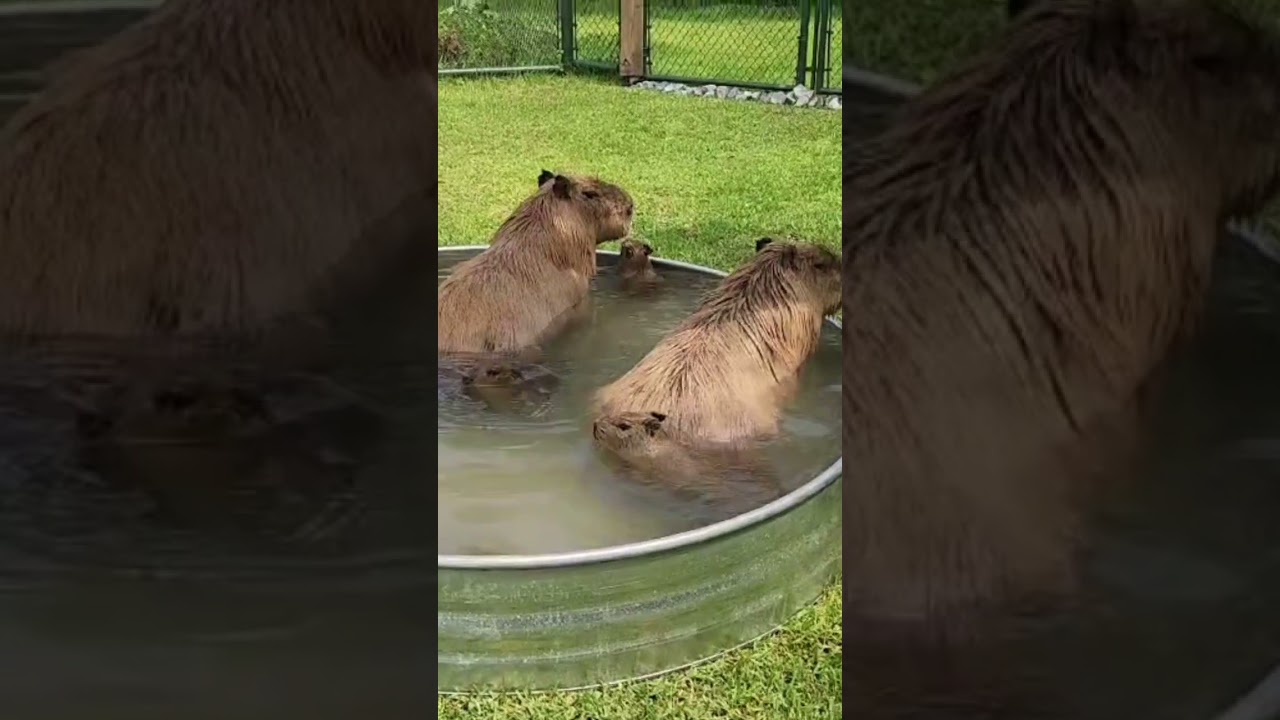
- The biology and behavior of capybaras in the wild
- The significance of water for capybara pups
- Insights into zoo management practices for capybara care
- The role of zoos in wildlife conservation efforts
- The public’s engagement and educational opportunities surrounding capybaras
Capybaras (Hydrochoerus hydrochaeris), the largest rodents in the world, are fascinating creatures native to South America. Living in groups near bodies of water, they thrive in wetlands, making them highly social and interactive animals. Adult capybaras can weigh between 77 to 146 pounds and measure up to four feet in length. Their unique adaptations, like partially webbed feet and the ability to hold their breath for up to five minutes, equip them exceptionally well for an aquatic lifestyle. This article will explore the behaviors of capybara pups, focusing on the significance of swimming, how zoos manage their care, and the role of these establishments in wildlife conservation.
Capybaras are social animals that live in groups averaging 10-20 individuals, though larger groups are not uncommon. Their social structure is interesting, with a definitive hierarchy in which dominant males lead the herd. Within these groups, the relationship between mothers and their pups is particularly noteworthy. Capybara pups are typically born in a litter of 2-8 offspring, and they begin swimming just days after birth, aided by their natural instincts and adaptations. This early exposure to water is crucial as it helps them develop necessary survival skills. The strong bond and the constant presence of family members amplify the confidence of these young swimmers.
Water serves several vital roles in the lives of capybara pups. Not just a place for leisure, water helps regulate their body temperature, providing a respite from the heat typical of their native habitats. The pups spend considerable time swimming to learn how to navigate their environment, evade predators, and socialize with their peers. Observing capybara pups swimming at the Audubon Zoo is captivating, as they splash around playfully, showcasing their agility and the natural camaraderie within their groups.
When discussing the swimming behaviors of capybara pups, their physical adaptations further come to light. These animals possess oily fur, which repels water, helping them to maintain buoyancy while swimming. Their large, flat teeth and strong jaws allow them to feed on vegetation found underwater, such as aquatic plants. The cubs are also equipped with muscular limbs, enabling them to push through water gracefully.
Zoo management practices play a crucial role in maintaining the well-being of capybaras. Caretakers focus on providing familiar habitats to promote a natural lifestyle. Enclosures are designed to include pools and sandy banks to mimic the wetlands these rodents thrive in. Additionally, the animals are offered a diet that consists of hay, pellets, and fresh vegetables, ensuring they meet their nutritional needs.
Veterinary care is paramount in ensuring that capybaras remain healthy and strong. Regular check-ups allow for early detection of health issues, which can be crucial considering the species’ susceptibility to certain diseases. Zookeepers also engage in behavioral enrichment activities, enhancing the animals’ quality of life. These activities can range from providing various toys to creating intricate environments that encourage exploration and mental stimulation.
The role of zoos extends beyond animal care; they are essential to wildlife conservation efforts. As populations of capybaras shrink due to habitat loss and hunting, zoos participate in breeding programs aimed at ensuring genetic diversity. These initiatives provide a safety net for threatened populations and help reinforce public awareness regarding wildlife conservation.
Engagement with the public enhances interest in wildlife conservation. Events like capybara swimming exhibits invite visitors to witness the natural behaviors and interactions of these fascinating animals. Such interactions help foster a deeper understanding of the importance of preserving habitats and protecting species. Through educational programs, zoos communicate the significance of biodiversity and the role that individuals can play in conservation efforts.
In summary, capybara pups swimming serves as a key indicator of their biological needs and social bonding. Water is not merely a recreational area for them; it is integral to their survival and development. Understanding the biology and behavior of these animals offers valuable insight into broader ecological themes. Zoos are now more than just places for entertainment; they promote wildlife conservation and serve as vital educational resources that empower the public. By participating in these initiatives, we can all contribute to preserving the vitality of species like the capybara. The cute and playful nature of these pups not only entertains but also reminds us of the delicate interconnectedness present in ecosystems and the need for responsible stewardship of the planet.
*****
Source Description
