
- Overview of the Giant Leaf-tailed Gecko’s physical characteristics and habitat
- Insights into the species’ diet and hunting behavior
- Reproduction and development of the Giant Leaf-tailed Gecko
- Conservation status and threats facing the species
- The role of zoos in the conservation and education about the Giant Leaf-tailed Gecko
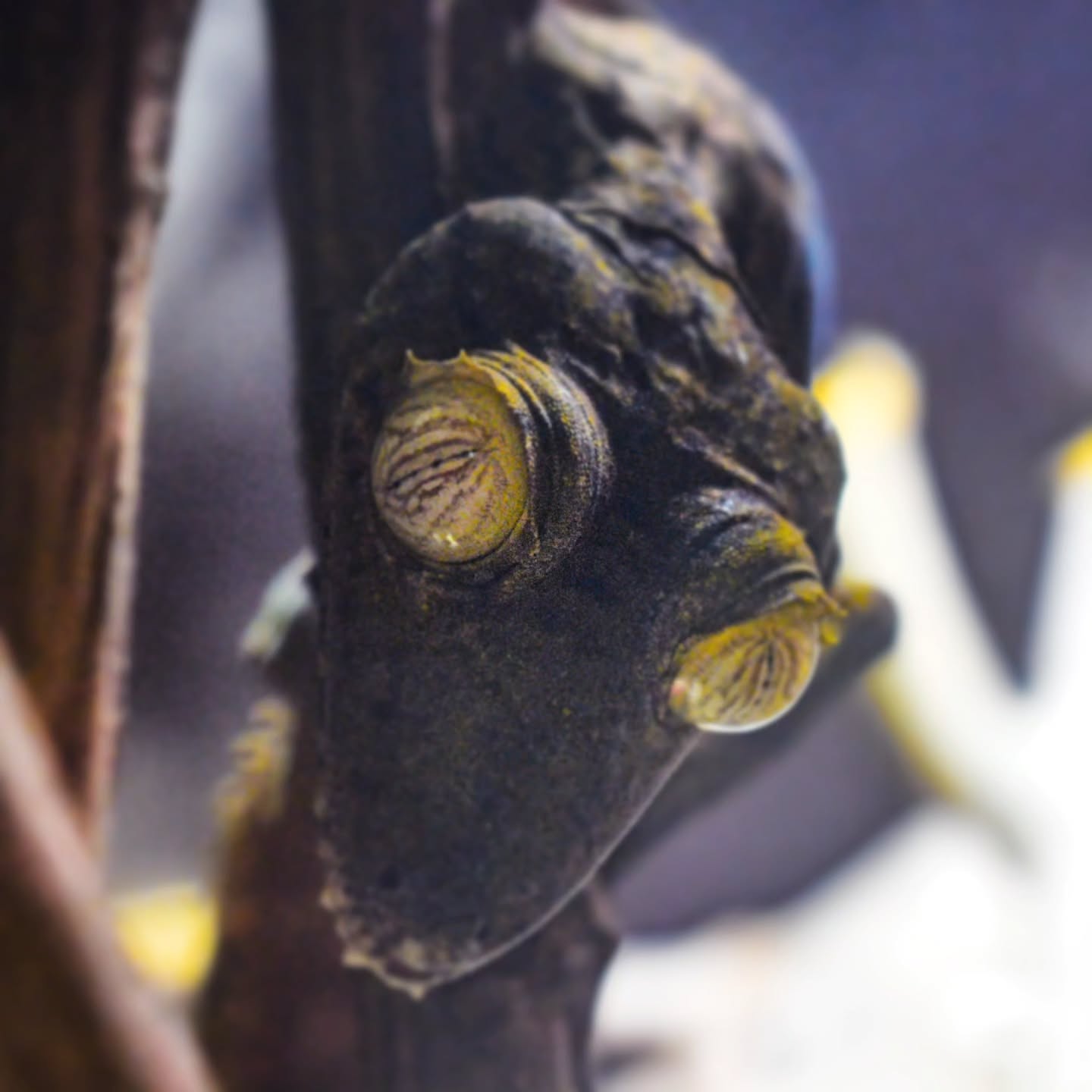
The Giant Leaf-tailed Gecko (Uroplatus giganteus) is a remarkable reptile native to Madagascar, where it thrives in the dense rainforest. Its striking appearance and behavioral adaptations make it a fascinating subject for study. The species is characterized by its incredible camouflage, which allows it to blend seamlessly into its surroundings, making it an adept predator and a challenge for researchers to observe in the wild.
Physically, the Giant Leaf-tailed Gecko can grow up to 14 inches long, making it one of the largest in its genus. Its body is flattened and broad, resembling a brown leaf when resting on trees or foliage. This adaptation is not merely aesthetic; it enhances its ability to escape detection from both predators and prey. The color patterns vary, allowing individuals to match their specific environment. The skin texture can also mimic the roughness of tree bark or leaves, adding another layer of disguise.
The habitat of the Giant Leaf-tailed Gecko is primarily found in humid forest areas, specifically in the eastern part of Madagascar. Here, they are most commonly found at heights that allow them to stay out of reach from ground-based predators. These geckos prefer places with plenty of foliage, as they rely on leaf litter and branches for their survival. The dense vegetation not only provides shelter but also rich hunting grounds for these reptiles.
Dietarily, the Giant Leaf-tailed Gecko is an insectivore, primarily feeding on moths, beetles, and other small invertebrates. Its hunting strategy is quiet and calculated. The gecko employs a method known as ambush predation, where it remains motionless until a potential meal comes within striking distance. Once in range, it uses its quick reflexes to capture prey with its agile tongue or sharp jaws. This feeding behavior is not only a testament to its physical adaptations but also highlights its ecological role in controlling insect populations within its habitat.
Reproductive behavior in Giant Leaf-tailed Geckos is equally intriguing. These reptiles are oviparous, meaning they lay eggs rather than giving birth to live young. The female typically lays two eggs at a time, depositing them in a crevice or under leaf litter, which provides natural camouflage to protect them from potential predators. The eggs take about 90-120 days to incubate, depending on environmental conditions. After hatching, the juvenile geckos are miniature versions of their parents and quickly become independent. This solitary lifestyle is essential for their survival, as they must learn to hunt and hide effectively without parental guidance.
Despite their fascinating adaptations, Giant Leaf-tailed Geckos face several threats due to habitat destruction. Deforestation, primarily caused by agriculture and logging, has significantly reduced their natural habitat. This loss not only diminishes their living space but also impacts their food sources. Climate change further complicates their survival, altering rainfall patterns and forest ecosystems that are crucial for their development and reproduction.
According to the International Union for Conservation of Nature (IUCN), the Giant Leaf-tailed Gecko is currently classified as Vulnerable on the Red List. This designation highlights the urgent need for conservation efforts. Habitat preservation is paramount to the survival of this species. Protecting Madagascar’s remaining rainforests is critical not just for the Giant Leaf-tailed Gecko but also for the myriad of other species that share its habitat.
Zoos play a vital role in the conservation of the Giant Leaf-tailed Gecko. Through captive breeding programs, zoos can help sustain population numbers and provide an insurance policy against extinction. Moreover, zoos engage in educational programs that raise awareness about the species. By informing the public about the challenges these reptiles face, zoos foster a deeper understanding of the importance of wildlife conservation.
Additionally, research conducted in captive settings can yield significant insights into the behavioral ecology of the Giant Leaf-tailed Gecko. Understanding their needs in a controlled environment helps inform conservation strategies in the wild. Scientists can monitor their health, breeding patterns, and dietary needs, leading to improved care and management practices both in captivity and natural habitats.
In sum, the Giant Leaf-tailed Gecko (Uroplatus giganteus) is an extraordinary species representative of Madagascar’s rich biodiversity. Its unique adaptations for survival reflect a long evolutionary history shaped by its environment. Yet, the threats it faces underscore the urgent need for conservation efforts. Education, habitat preservation, and collaborative initiatives through zoos are essential to achieving long-term viability for this remarkable gecko. As we work towards understanding and preserving this species, we also advocate for a greater appreciation of the interconnected web of life that sustains our planet.
*****
Source Description
Giant Leaf-tailed Gecko (Uroplatus giganteus) 📷 @ the @meskerzoo
