
- The significance of wetlands and their ecosystems
- The role of the petxinot as a freshwater mollusk
- Conservation efforts for the petxinot and its habitat
- Educational initiatives to promote awareness and involvement
- The importance of community and institutional collaboration
Wetlands are essential ecosystems located at the interface between land and water. They play a critical role in maintaining biodiversity, improving water quality, and providing habitat for numerous species. These environments are rich in organic material and serve as natural filters for pollutants, transforming them into less harmful compounds. Wetlands absorb excess nutrients and promote the recharging of groundwater. They are significant in supporting the livelihoods of many communities by providing resources and recreational opportunities.
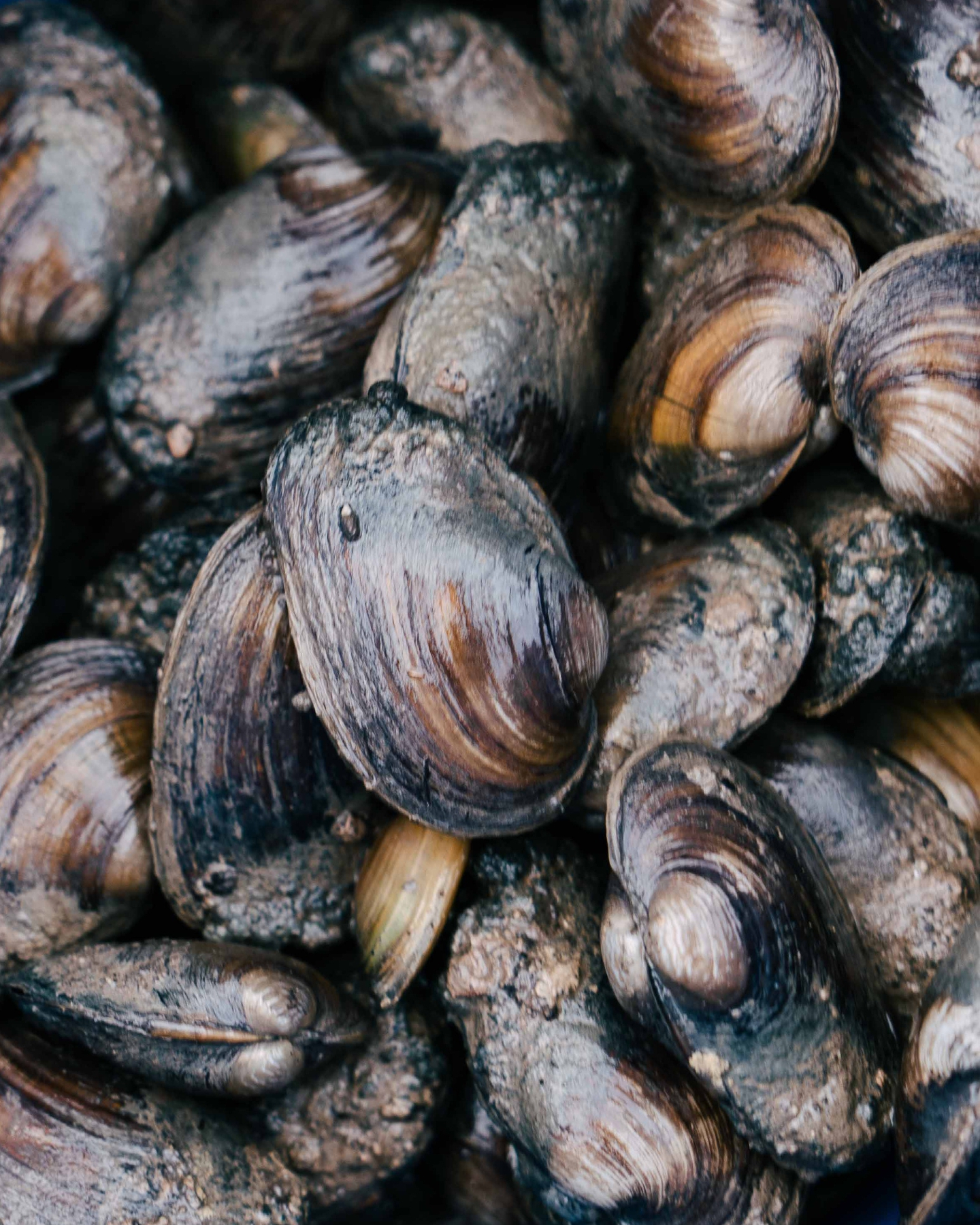
Among the various species that thrive in wetlands, the petxinot holds a notable status. This freshwater mollusk, which is currently facing the threat of extinction, occupies a crucial niche in its habitat. The petxinot, also known scientifically as Pseudamnicola glandulosa, operates as a natural water purifier. Adult individuals can filter up to 50 liters of water daily. This unique ability contributes significantly to enhancing water quality, stabilizing sediment, and supporting biodiversity within the wetland ecosystem.
The physiological and ecological roles of petxinots are vital. By acting as natural filter feeders, they help control algal blooms and maintain nutrient balance. Their filtering activity leads to clearer water, which is essential for light penetration necessary for aquatic plants. Healthier plants mean better oxygen production and habitats for various aquatic organisms, fostering a balanced ecosystem.
Despite their benefits, petxinots are currently facing severe threats that jeopardize their populations. Habitat loss is among the leading issues, often resulting from agricultural practices, urban development, and pollution. In addition, climate change plays a role in altering water levels and temperatures, further affecting these mollusks. Pollution from agricultural runoff introduces pesticides and fertilizers, which can be lethal to petxinots and other freshwater organisms. Such changes create an urgent need for targeted conservation measures to protect this species and its environment.
In response to these challenges, organizations like Fundación Oceanogràfic, along with the Alianza por el Petxinot, have taken the lead in conservation initiatives. They focus on several approaches to facilitate the recovery of petxinot populations and the health of wetland ecosystems. Research programs have been developed to study the biology and ecology of the petxinot. By understanding its reproductive habits, growth rates, and habitat preferences, conservationists can devise effective strategies for its preservation.
Breeding and captivity programs also represent a significant avenue for increasing petxinot numbers. Through collaboration with governmental and environmental agencies, these organizations aim to rear petxinots in controlled environments. Once their populations stabilize, there are plans to reintroduce some individuals into their natural habitats. This method not only aids in species recovery but also contributes to the overall ecological restoration of the wetlands where they belong.
Public education and outreach are equally essential in the conservation of petxinots and wetlands. Engaging the community fosters awareness of these delicate ecosystems and the species within them. Educational initiatives include workshops, guided tours, and interactive presentations designed to highlight the importance of wetlands and the role of species like the petxinot. These events empower individuals to become stewards of their environment by advocating for sustainable practices and contributing to conservation efforts.
Collaboration between various stakeholders plays a pivotal role in fostering successful conservation strategies. Local communities, governmental agencies, non-profit organizations, and researchers must work together to pool resources, share knowledge, and coordinate actions. This integrated approach ensures that protective measures are comprehensive and effective. Community engagement is crucial for mobilizing local populations and securing vital support for ongoing conservation efforts.
As we celebrate World Wetlands Day, it is crucial to remember that the health of these ecosystems is intertwined with the well-being of countless species, including the petxinot. Protecting this species means safeguarding the intricate balance of life within wetlands. Each petxinot contributes to a larger ecological network that benefits both aquatic and terrestrial organisms.
Conservation efforts must also consider the need for policy changes that promote sustainable management practices. Initiatives aimed at reducing pollution, restricting development in wetland areas, and promoting conservation easements can have a substantial impact on preserving wetlands. Enhancing public policies that protect water quality and natural habitats will support ongoing recovery efforts for species like the petxinot.
In addition to legislative initiatives, sustainable agricultural practices can minimize the ecological footprint of farming on wetlands. Techniques such as crop rotation, reduced pesticide use, and planting buffers can mitigate water pollution and promote healthier ecosystems. Farmers can serve as critical partners in conservation efforts by adopting practices that protect their local environments while maintaining productivity.
In summary, recognizing the importance of wetlands and the critical role of the petxinot in these ecosystems underlines the need for ongoing conservation measures. Collaborative efforts among organizations and communities will contribute to a future where wetlands are preserved, and species like the petxinot can thrive once more. By working together and promoting education and awareness, we can collectively safeguard our natural heritage for future generations. The steps taken today will echo in the health of our ecosystems tomorrow.
*****
Source Description
✨ Hoy celebramos el Día Mundial de los Humedales poniendo en valor al petxinot.
En humedales como l’Albufera, existen especies discretas pero imprescindibles. Una de ellas es el petxinot, un molusco de agua dulce en peligro de extinción que actúa como depurador natural del ecosistema.
👉 Cada petxinot adulto puede filtrar hasta 50 litros de agua al día, mejorando la calidad del agua, estabilizando el fondo y favoreciendo la biodiversidad del humedal. Protegerlo es proteger los procesos naturales que mantienen vivos estos espacios únicos.
Desde Fundación Oceanogràfic, junto a @gvamediambient y Fundación Aguas de Valencia ( @globalomnium ) trabajamos para su conservación a través de distintas iniciativas:
🧪 Programas de investigación, cría y reproducción en colaboración con la administración
🌱 Proyectos de recuperación y futura reintroducción en el medio natural
🏫 Acciones de divulgación y educación ambiental para acercar su importancia a la ciudadanía
🤝 Trabajo en red con instituciones, asociaciones y el territorio, como la Alianza por el Petxinot
💙 En el Día Mundial de los Humedales recordamos que cuidar de estas especies es cuidar del equilibrio de todo el ecosistema.
