
- Northwest Trek’s commitment to wildlife conservation
- The importance of wood ducks and their habitats
- Overview of the wood duck nest box project
- Impact of habitat loss on wood duck populations
- Future conservation efforts at Northwest Trek
Northwest Trek is a leader in wildlife conservation, dedicated to protecting native species and their habitats. One of our notable projects focuses on the wood duck, a striking bird known for its vibrant plumage and ecological significance. Over the years, we have recognized the urgent need to create and maintain suitable habitats for these waterfowl, leading to initiatives such as our wood duck nest box project.
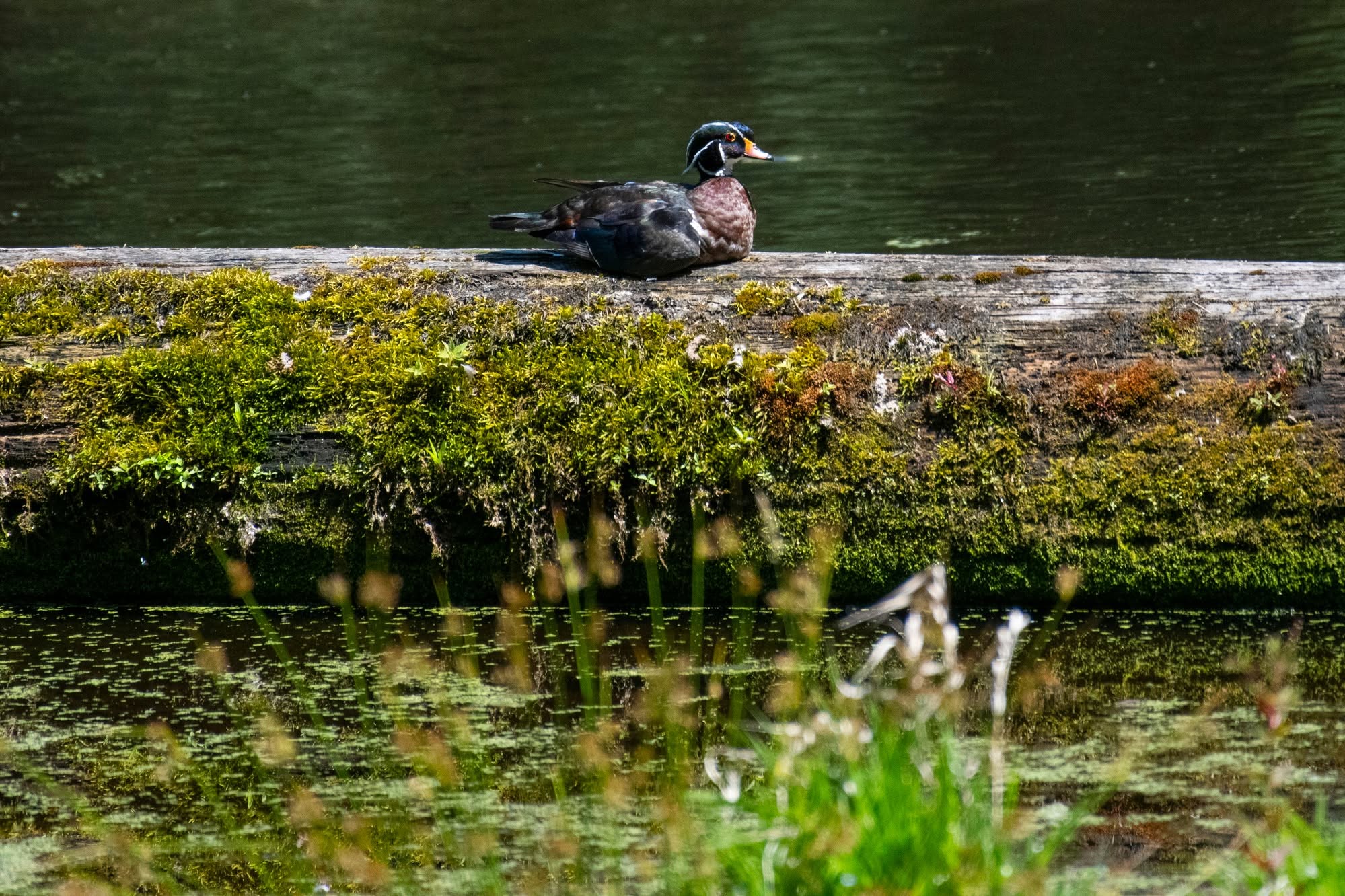
Wood ducks (Aix sponsa) are unique in both their appearance and behavior. They are among the few North American ducks that nest in trees. Historically, these birds have faced severe habitat loss, primarily due to urban development and the destruction of wetlands. As wetlands disappear, the availability of natural nesting sites for wood ducks also diminishes. This means that our efforts to provide artificial nest boxes are crucial for bolstering their populations.
In the previous month, Northwest Trek staff dedicated significant time and resources to cleaning, repairing, and installing nest boxes throughout the Free-Roaming Area. Providing these essential nesting sites offers a critical lifeline to wood ducks, allowing them to breed and raise their young in a safer environment. The nest boxes are strategically placed near bodies of water, mimicking the natural tree cavities that these ducks typically seek for nesting.
Each box is built with specific dimensions and materials to ensure usability by wood ducks and other species. The design allows easy access for the birds while also deterring potential predators. These thoughtful designs help enhance the chances of successful nesting and decrease mortality rates among ducklings.
It’s important to understand that wood duck populations have shown signs of recovery largely due to targeted conservation efforts like ours. With proactive initiatives to provide both natural and artificial nesting opportunities, we have managed to increase their numbers significantly over the years. In the past, wood ducks were classified as a threatened species due to the drastic decline in their population. Today, thanks to the collective work of organizations like Northwest Trek, their populations are experiencing a resurgence.
Habitat loss remains a persistent challenge for many species, including the wood duck. In addition to the removal of wetlands, factors such as pollution, climate change, and invasive species further threaten the delicate ecosystem that supports them. Addressing these challenges requires a multifaceted approach that includes habitat restoration, public education, and ongoing research. At Northwest Trek, we strive to be at the forefront of these efforts, ensuring that we are not just responding to the current needs of wildlife but also anticipating future challenges.
Our wood duck nest box project is a part of larger conservation strategies that encompass habitat protection and restoration. By collaborating with local organizations and governmental agencies, we aim to raise awareness regarding the significance of preserving natural habitats for waterfowl and other wildlife. Public engagement is crucial; educating visitors about the role of wood ducks in the ecosystem allows us to foster a culture of conservation that extends beyond our facilities.
In our efforts, we also provide enriching educational programs at Northwest Trek. These programs teach visitors about the importance of waterfowl, including how they help maintain balanced ecosystems through their feeding and nesting habits. Wood ducks, for instance, play a crucial role in seed dispersal, which contributes to plant diversity and the overall health of wetland environments.
Moreover, challenges remain not just with habitat loss but with ongoing threats to species like the wood duck. Climate change poses a significant risk, causing shifts in migration patterns, breeding times, and habitats. Understanding these changes is pivotal for developing effective conservation strategies. Our research teams continually monitor wood duck populations and their habitats, providing valuable data that helps inform our conservation protocols.
Visitors to Northwest Trek have the unique opportunity to observe wood ducks in their habitat. The Free-Roaming Area is designed to mimic natural surroundings, allowing for a more engaging experience. Here, families can witness the beauty of these birds as well as their behaviors in the wild. This exposure creates a deeper appreciation for the species and highlights the importance of our conservation efforts.
Engagement is a key focus for us at Northwest Trek. Through interactive experiences and dedicated staff, we aim to connect people with wildlife. Our conservation message resonates with a broad audience, enabling visitors to understand that everyone has a role in protecting nature. The wood duck nest box project is a prime example of how collective action can lead to real change, inspiring individuals to contribute to wildlife conservation.
The future of wood ducks, however, relies on continued efforts. As staff at Northwest Trek, we are committed to expanding our initiatives. We aim to increase awareness and action against threats posed to natural habitats. By creating additional nesting sites and enhancing existing habitats, we can support the next generation of wood ducks.
Conservation is not just about saving a species; it’s about preserving ecosystems that benefit all wildlife. Our work goes beyond just the wood duck. By improving habitats, we create a ripple effect that benefits various species residing within these environments. Moreover, collaboration with local communities ensures that wildlife conservation is a priority at all levels.
Another component of our conservation work involves advocating for clean water initiatives. Protecting water quality is essential for the health of wetlands and the species that reside within them. Polluted water bodies can be detrimental to duck populations, as they are particularly susceptible to toxins. Through education and advocacy, we support policies aimed at conserving water resources and wetlands.
The wood duck nest box project encapsulates the ethos we uphold at Northwest Trek. It serves as a model for how conservation can be both practical and impactful. As we look to the future, we will continue to adapt our strategies based on emerging research and best practices in wildlife management.
Through hands-on engagement and education, we strive to cultivate a community of conservationists. Each initiative, whether large or small, plays an integral role in shaping a more sustainable future for wood ducks and countless other species. Our commitment to wildlife conservation is unwavering. The wood duck nest box project is just one key part of our broader mission to protect biodiversity and ensure a healthy ecosystem for generations to come.
By investing in our natural world and understanding its intricacies, we take steps toward a future where wood ducks and other wildlife can thrive. The ongoing work at Northwest Trek not only highlights the beauty of our native species but also emphasizes the important partnership between humans and nature. We invite you to join us in our conservation efforts, reinforcing the critical link between protecting natural habitats and preserving the fantastic wildlife, such as the wood duck, that inhabits them.
*****
Source Description
At Northwest Trek, we’re dedicated to wildlife conservation, and our wood duck nest box project is making a real impact! Last month, our staff cleaned, repaired, and installed nest boxes across the Free-Roaming Area, providing essential nesting sites for wood ducks and other species. Once threatened by habitat loss, wood duck populations have rebounded thanks to efforts like these.
