
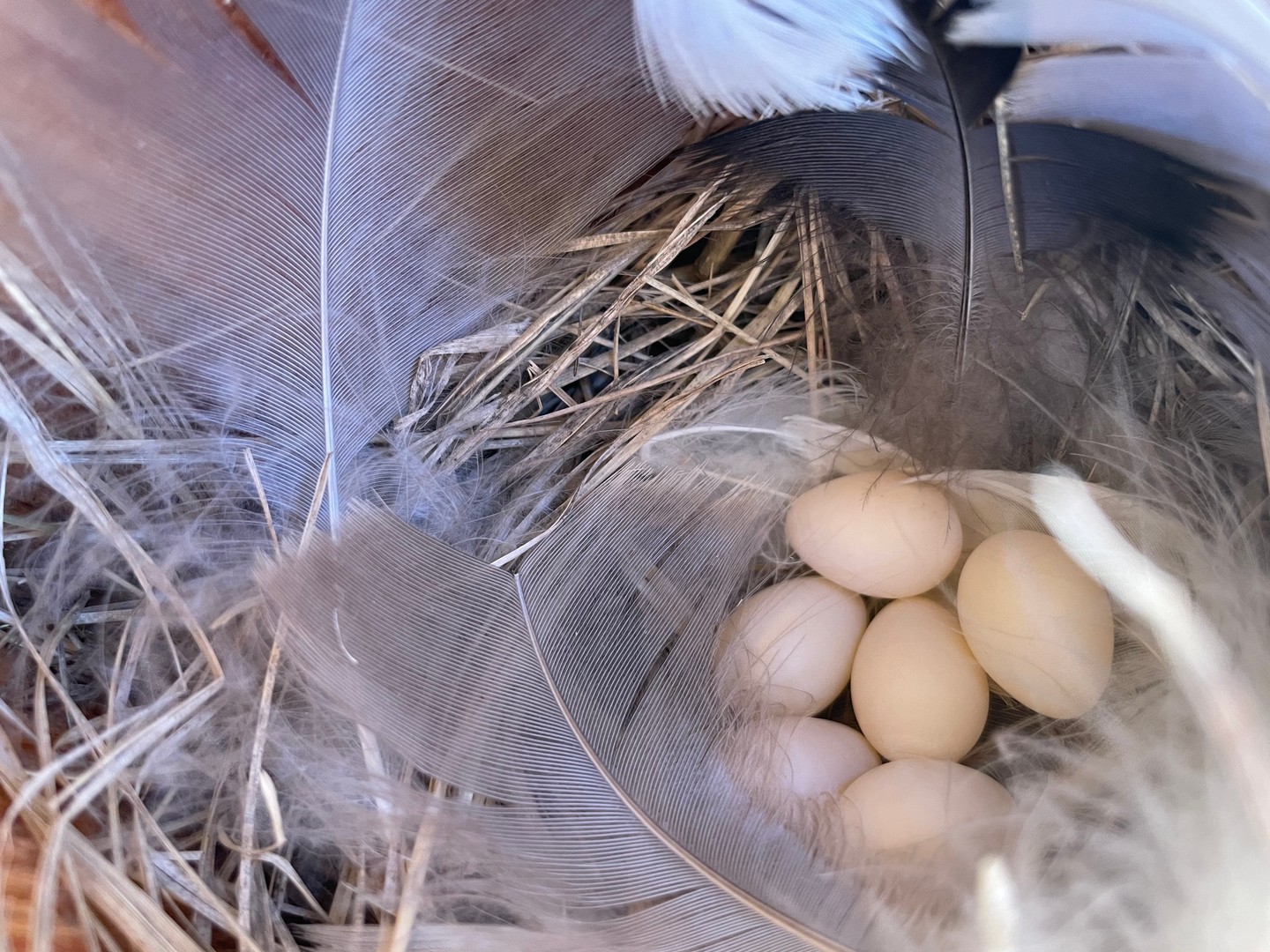
- National Egg Day as a celebration of egg diversity in the animal kingdom
- The reproductive strategies of Monarch butterflies and their eggs
- The fascinating adaptations of songbird eggs and their incubation
- Conservation efforts in zoos and aquariums involving eggs and monitoring projects
- The role of community science in protecting species and habitats
National Egg Day is a time to appreciate the incredible diversity of eggs across the animal kingdom. From the smallest butterflies to various bird species, eggs serve vital functions in reproduction and development. Each egg type has unique characteristics that reflect the ecological adaptations of its species. This day not only celebrates these fascinating biological structures but also emphasizes the importance of conservation and education.
When exploring the reproductive habits of Monarch butterflies, one must note that these insects lay eggs in very specific environments. Female Monarchs deposit a single egg, approximately the size of a pencil tip, onto the leaves of milkweed plants. This choice is not random; milkweed is essential for the caterpillars once they hatch. Monarchs exhibit remarkable fecundity, laying between 300 and 500 eggs over a short period of five weeks. This strategy maximizes the chances of some offspring surviving despite the many threats they face, including predation and habitat loss.
The eggs of Monarchs are small and seemingly insignificant compared to the vibrant colors and intricate designs seen in songbird eggs. Songbirds show remarkable variation in their egg characteristics, including color, size, and patterns. Many songbird species lay eggs with hard shells that provide physical protection to the developing embryos. Unlike Monarch eggs, which are soft and less durable, songbird eggs can withstand the natural elements and the movements of nesting parents.
This hard-shelled design is crucial for successful incubation. Parents must balance the need to keep the eggs warm and secure while also providing an opportunity for air exchange. The duration of this incubation period varies significantly by species, ranging from about 10 to 14 days for smaller birds to several weeks in larger species. The interaction between parents and their eggs during this critical period is an intriguing subject of study for ornithologists.
In zoos and aquariums, a wealth of research focuses on eggs and reproductive biology. Many facilities conduct dedicated programs to study various aspects of egg monitoring and conservation. For example, at Assiniboine Park Zoo, volunteers observe nest boxes utilized by different bird species such as swallows, wrens, chickadees, and bluebirds. By monitoring these nests, researchers gather valuable data on reproductive patterns and population densities over time. Understanding these trends is pivotal for wildlife conservation, as it aids in making informed decisions concerning species management and habitat preservation.
At Brandywine Zoo, staff and interns are engaged in specific conservation efforts targeting Monarch butterflies. They frequently monitor milkweed plants for laying Monarch eggs and the presence of larvae. These monitoring projects fall under initiatives like the Monarch Larva Monitoring Project (MLMP), which aims to document population dynamics and health metrics of Monarch colonies. This rigorous examination not only helps track Monarchs but also emphasizes the crucial role of milkweed in their life cycle.
Community science initiatives play an invaluable role in conservation efforts. Programs encouraging citizen participation, such as nest box monitoring for songbirds, enhance the power of scientific research. These community-driven projects encourage local residents to engage with their surrounding environments and contribute meaningful observations. Such efforts are crucial, as they help fill gaps in data collection that might not be possible with solely professional resources.
Visiting local zoos or aquariums can provide further insights into conservation projects and initiatives like SAFE Monarch and SAFE Songbird programs. These programs are excellent platforms for learning about preservation strategies aimed at ensuring the survival of these species. By promoting awareness and education, zoos and aquariums foster a greater understanding of ecological interdependence and the importance of habitat conservation.
Understanding how eggs function within the broader framework of biological diversity sheds light on evolutionary and ecological dynamics. Each egg type embodies the adaptation strategies of its species, showcasing how various organisms meet the challenges of their environments. For instance, some birds have evolved to lay eggs with speckled patterns that provide camouflage in nests, which protect them from predators. Others produce brightly colored eggs that may communicate health status or fitness levels to potential mates, adding a layer of complexity to reproduction.
Investigating egg diversity can also yield insights into environmental changes. Researchers can measure egg size and shape, seeking correlations with climate conditions. The incubation processes and hatching success rates may shift in response to habitat alteration or temperature variations. Continuous studies are vital to predict shifts in population dynamics and reproductive behaviors over time.
The understanding gleaned from these studies is crucial for conservation biology. Zoos and aquariums are not just places for public interaction with wildlife; they act as research hubs vital in informing and guiding conservation efforts. As breeding populations and genetic diversity become increasingly threatened, studying egg types can offer perspectives on breeding programs aimed at preserving endangered species.
Efforts in captive breeding often hinge on the knowledge gained from understanding egg biology and the nuances of reproductive behavior. For example, if researchers learn about specific environmental cues that trigger egg-laying behaviors, they can replicate those conditions in artificial habitats. This practice increases the chances of successful breeding and greater population sustainability.
Moreover, the physiology of eggs has intriguing implications for scientific studies extending beyond wildlife. Insights gained from the study of avian eggs have applications in various fields, from medicine to materials science. Understanding the structure of eggshells can lead to developments in biodegradable materials, showcasing how nature provides inspiration for innovative solutions.
As discussions surrounding conservation grow increasingly critical, it is essential to foster a connection between society and the natural world. Learning about the diversity of eggs and the ecosystems they represent enhances our appreciation for biodiversity. It also underscores the importance of participating in conservation projects, whether in local communities or through organizations dedicated to animal welfare.
The excitement of National Egg Day lies not only in celebrating these remarkable biological entities but also in acknowledging the interconnected efforts to preserve and protect the environments in which they exist. By understanding the various roles eggs play across species, the responsibility to conserve them and their habitats becomes clearer. Educational programs and community initiatives serve as platforms for fostering a collective understanding and appreciation for wildlife.
Through thoughtful engagement, individuals can actively contribute to preserving these life forms. Community involvement, alongside the ongoing research conducted within zoos and aquariums, embodies a proactive approach to addressing conservation challenges. Awareness and education can provide essential tools for fostering a dedicated publics committed to ecological stewardship and species protection.
Recognizing National Egg Day invites everyone to consider the broader implications of egg diversity. It opens discussions about the future of wildlife, the fragility of ecosystems, and the collaborative efforts required for preservation. As new knowledge continues to emerge, the responsibility to safeguard these precious resources remains vested in society at large.
*****
Source Description
National Egg Day is an egg-cellent time to celebrate the diverse eggs of all shapes, sizes, and colors across the animal kingdom! 🥚
Monarch butterflies lay a single egg about the size of a pencil tip on the leaves of milkweed plants, which serve as food for caterpillars once they hatch. Female monarchs can lay 300-500 eggs over just 5 weeks! 🦋
Songbirds lay eggs in a variety of unique colors and ornate patterns. Unlike tiny Monarch eggs, these eggs boast shells that are hard enough to allow for a parent to incubate the developing embryo before it hatches. 🐤
Zoos and aquariums study and monitor eggs to better understand trends in reproductive biology, population density, and more. 🔎 At @AssiniboineParkZoo, volunteers observe nest boxes that have been used by swallows, wrens, chickadees, and bluebirds. Volunteers also help observe the fledglings and keep records for the Conservation and Research team’s long-term monitoring project of the Zoo’s natural
📋 At @BrandywineZoo, Conservation Science and Learning staff and interns monitor milkweed plants weekly for monarch butterfly eggs and larva as a part of the Monarch Larva Monitoring Project.
Community science initiatives like songbird nest box and monarch larva monitoring are just some of the many ways we’re working to conserve species on zoo grounds and across the country. Visit your local zoo or aquarium and ask about SAFE Monarch and SAFE Songbird efforts to learn more!
@mlmp_commsci @team_ebird
