
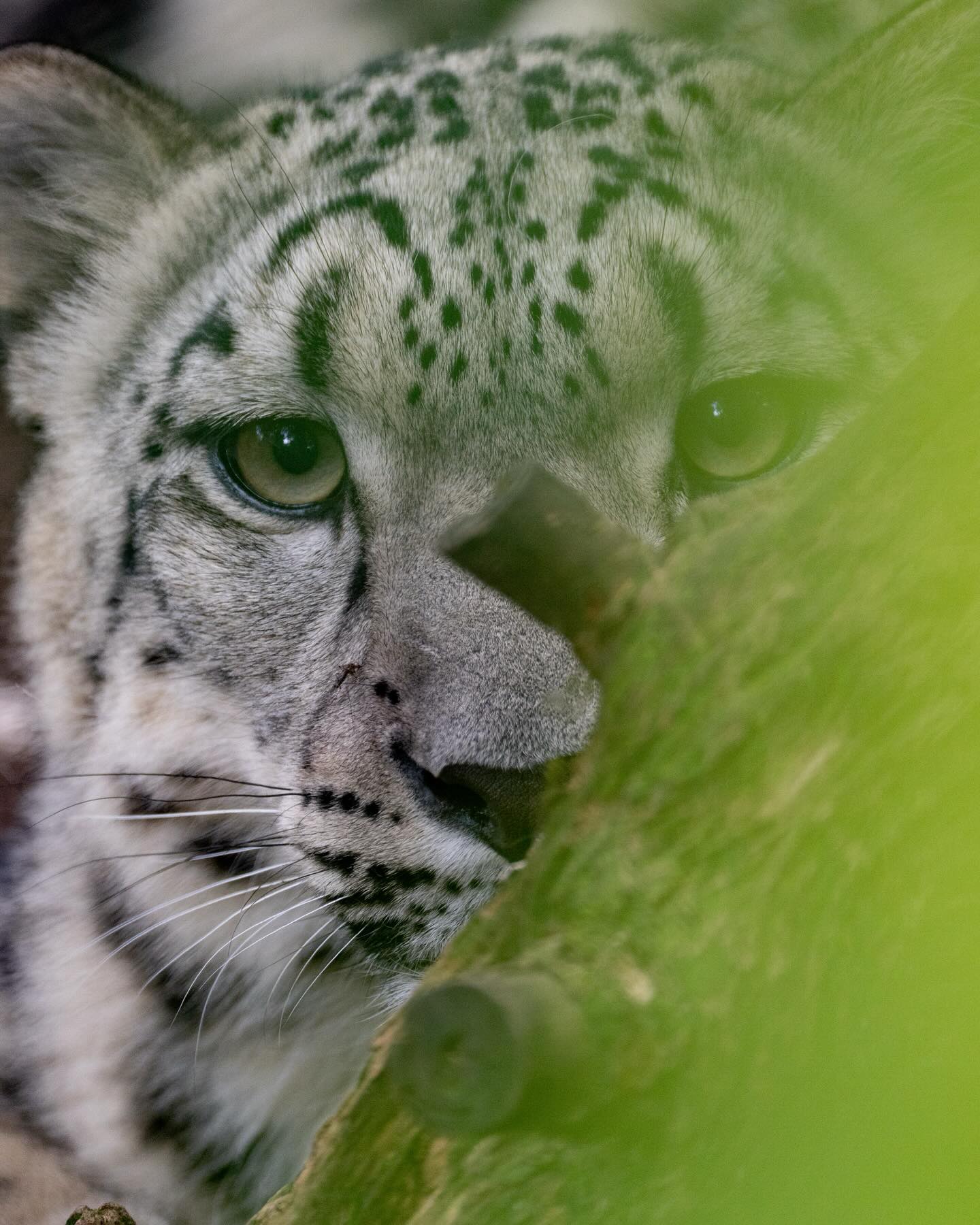
- The fascinating adaptations of snow leopards and their survival in high-altitude environments.
- The ecological role of snow leopards as predators within their habitat.
- The current conservation challenges faced by snow leopards and their populations.
- The successful conservation efforts and partnerships working to protect these big cats.
- The connection between snow leopards and local communities, emphasizing sustainable practices.
Snow leopards (Panthera uncia) are remarkable big cats, perfectly built for survival in harsh, mountainous terrains. Found predominantly in the high-altitude mountain ranges of Central Asia, these cats possess several adaptations that enable them to thrive where few other animals can. Massive paws enable snow leopards to move comfortably over the snow, functioning like natural snowshoes. Their long, bushy tails serve multiple purposes, from providing balance while navigating rocky cliffs to acting as a blanket of warmth against frigid temperatures. In terms of physical agility, snow leopards are truly extraordinary. They are capable of jumping as far as 50 feet, an incredible feat that allows them to traverse their challenging landscape with ease.
The elusive nature of snow leopards has earned them the nickname “ghost of the mountains.” With their fantastic camouflage, these cats blend seamlessly into their surroundings, making them difficult to spot even for experienced wildlife observers. Much of their activity occurs during dawn and dusk when they are typically most active. This crepuscular lifestyle aids in hunting their main prey: blue sheep, ibex, and argali. These mountain-dwelling herbivores are well-suited to the landscape as well, forming a delicate balance in the ecosystem.
However, the snow leopard’s population is declining, primarily due to habitat loss and poaching. These magnificent animals face increasing threats as human activities—such as mining, livestock grazing, and urbanization—encroach upon their natural habitats. In addition, these cats are often hunted for their beautiful fur, leading to a significant reduction in their numbers. The snow leopard is currently classified as endangered by the International Union for Conservation of Nature (IUCN), prompting immediate attention and action.
Among the important efforts to protect snow leopards are various conservation organizations, particularly the Snow Leopard Trust. Founded in 1981 by a former Woodland Park Zoo staff member, Helen Freeman, this organization has deep roots in Seattle and has made substantial progress in resolving conservation challenges. Active in all twelve countries where snow leopards roam, the Snow Leopard Trust develops community-based conservation strategies that not only safeguard snow leopards but also promote sustainable livelihood options for local people.
Central to the Snow Leopard Trust’s mission is scientific research. The organization provides data-driven insights into snow leopard populations, habitat use, and predation patterns. Collaborating with local communities, conservationists work to mitigate human-wildlife conflict, which is crucial in areas where livestock and snow leopards coexist. Such collaborations are necessary for effective conservation and can lead to innovative solutions that benefit both snow leopards and human populations.
Woodland Park Zoo plays a critical role in raising awareness about snow leopards and supporting conservation initiatives. Visitors can learn more about these incredible animals through educational programs and exhibits. The zoo’s resident snow leopards—Marai, Aibek, and their lively trio of cubs—provide excellent opportunities for guests to witness the beauty and grace of these cats up close. Their stories serve as a reminder of why preserving their habitats and protecting their populations are vital.
Adoption programs, zoo memberships, and educational visits contribute to conservation efforts. Each interaction with the snow leopards at Woodland Park Zoo has a ripple effect, raising awareness and funding for the Snow Leopard Trust. These collaborative efforts ensure that conservation strategies remain viable and beneficial for both snow leopards and their ecosystems.
The connection between snow leopards and local communities cannot be understated. Sustainable development practices are essential to protect these big cats in their natural habitat. By engaging local people, conservation initiatives can foster a sense of ownership and responsibility towards wildlife protection. Communities are encouraged to find harmony between their economic needs and the conservation of biodiversity. Programs that provide alternative livelihood opportunities, such as ecotourism, can alleviate pressure on wildlife.
The Snow Leopard Trust emphasizes the vital role of education in securing a future for these endangered cats. By informing and empowering local populations about snow leopards, these initiatives help cultivate a culture of conservation. Workshops and community events increase awareness about the importance of preserving wildlife, motivating people to become active participants in protecting their environment.
While snow leopards are seen as solitary animals, their protection requires collaborative efforts at local, national, and international levels. Coordinated policy-making and cross-border collaborations are essential for effective conservation. Snow leopards travel across vast territories, and their protection extends beyond national borders. Countries can work together to establish transboundary conservation areas, which are critical for maintaining genetic diversity and ensuring the survival of snow leopards.
The innovative use of technology plays a crucial role in snow leopard conservation. Camera traps, GPS collars, and remote sensing are now commonly utilized for monitoring populations and habitats. These technologies facilitate the collection of important data on behavior, migration patterns, and population dynamics, enhancing conservation strategies. By investing in research and technology, organizations like the Snow Leopard Trust adapt their approaches to more effectively safeguard these big cats.
In facing the challenges of climate change, snow leopards and the high-altitude ecosystems they inhabit are particularly vulnerable. As temperatures rise and snowfalls change, the habitats of these cats may become increasingly fragmented. This could lead to even greater conflict with humans as snow leopards venture closer to human settlements in search of food. Addressing climate change impacts on ecosystems must be prioritized in any conservation strategy relevant to snow leopards.
Conservation success stories make a compelling case for the continued effort and resources dedicated to protecting snow leopards. In various areas, localized conservation programs have led to stable or even increasing populations of snow leopards. These programs showcase the effectiveness of community involvement, education, and research in conservation efforts. As a result, proponents of snow leopard preservation can point to meaningful, tangible outcomes that resonate with stakeholders at all levels.
Celebrating International Snow Leopard Day offers a vital platform for raising awareness about the plight of these majestic creatures. The day not only serves to highlight their unique adaptations and ecological role but also emphasizes the importance of immediate action to combat the threats they face. Engaging with organizations like the Snow Leopard Trust makes a difference, as they lead the way towards solutions that respect both wildlife and human communities.
The future of snow leopards largely depends on collaborative efforts that combine conservation science with sustainable economic practices. By integrating local communities into the conservation narrative, there is potential for broader support and engagement. As relationships between snow leopards and people strengthen, the chance for success improves dramatically.
With the right strategies, resources, and collaborations, we can pave the way for a future where snow leopards roam freely and their majestic presence enriches the mountainous landscapes of Central Asia for generations to come. Each cub born in facilities like Woodland Park Zoo symbolizes hope, not just for their species, but for the broader mission of conservation. Every individual has a role to play in ensuring the safety and longevity of snow leopards. Emphasizing education, community engagement, and innovative conservation strategies can lead us toward successful outcomes in the journey to protect these extraordinary big cats.
*****
Source Description
Today is International Snow Leopard Day, let’s pounce in!
🐾 These cats are perfectly adapted to live in rugged, snow-covered mountains at sky-high elevations. Massive paws (snow shoes), a long bushy tail (balance and warmth) and incredible agility (can jump 50 feet) are their superpowers.
👻 The snow leopard is known as “ghost of the mountains”, because of their elusive nature and ability to seemingly disappear into the landscape (fantastic camouflage).
🏔️ They are native to the high, rugged mountain ranges of Central Asia. They are typically crepuscular (most active at dusk and dawn) and solitary. Their main prey in the wild are blue sheep as well as ibex and argali.
❗ Facing threats such as poaching and the loss of habitat and prey, this feline is now one of the world’s most endangered big cats.
❄️ Our snow leopards include three young siblings, Lenny, Phyllis and Raya (snow storm trio) born at Woodland Park Zoo in May 2024, as well as the incredible Marai (mom) and stunning Aibek (dad).
🐾 There is hope for snow leopards and a special Seattle connection. Woodland Park Zoo has long been a conservation partner with the @snowleopardtrust, created in 1981 by the late Woodland Park Zoo staff member Helen Freeman.
🗻 Snow Leopard Trust works in all 12 snow leopard range countries to protect snow leopards and their habitat through research, community-based conservation, education programs and policy-level interventions: zoo.org/snowleopards
💗 Every visit, every membership, every ZooParent adoption helps us advocate for and support conservation for endangered snow leopards and their habitat.
