
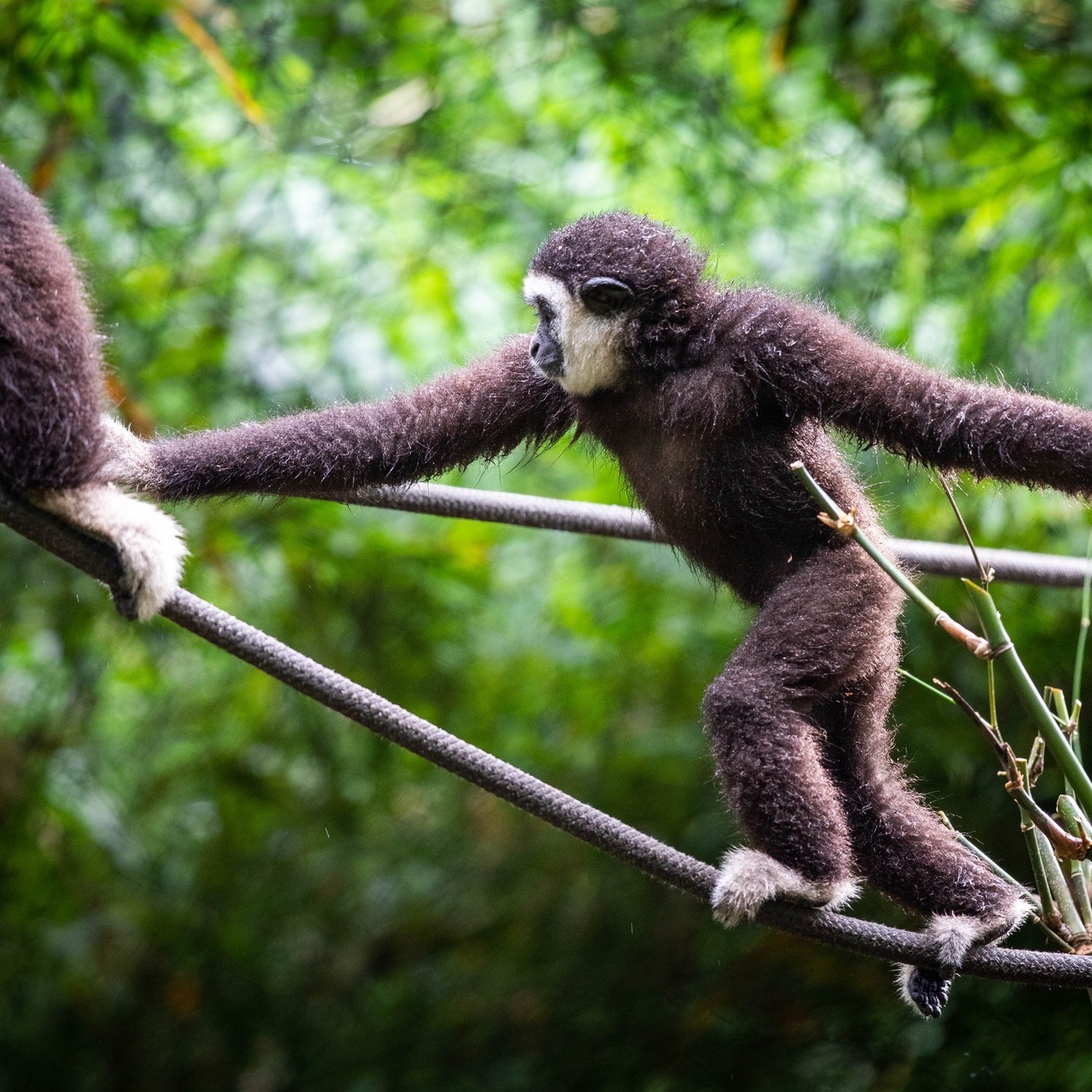
- The unique characteristics and behavior of gibbons
- The conservation status of gibbons and the threats they face
- The significance of International Gibbon Day in raising awareness and promoting action
- The role of zoos and conservation programs in gibbon preservation
- Ways individuals can contribute to gibbon conservation efforts
Gibbons are fascinating small apes known for their incredible agility and vocal versatility. These creatures exhibit a remarkable ability to move through the canopy with acrobatic grace, propelled by their long arms, which are adapted for brachiation. Gibbons can swing effortlessly from branch to branch, utilizing their powerful shoulders and specialized wrist joints. Most species also possess an impressive vocal repertoire, often described as melodic or song-like. Their calls can resonate through the jungle, serving various purposes such as marking territory, strengthening social bonds, and attracting mates.
These amazing abilities highlight the adaptability of gibbons, but they also face dire challenges. Currently, six out of the 18 recognized gibbon species are critically endangered, with increased habitat destruction, hunting, and the illegal pet trade as prominent threats. The loss of their forest homes, primarily due to logging and agriculture, severely limits their habitats and food sources. Hunting for meat or the capture of baby gibbons for the exotic pet trade exacerbates their declining populations.
International Gibbon Day is celebrated every October 24 and serves as a crucial platform to raise awareness about these remarkable creatures. The day draws attention to the need for action against the threats gibbons face. Zoos, researchers, and educational organizations come together to promote the welfare of gibbons and share knowledge about their importance in the ecosystem. By creating a unified front, International Gibbon Day emphasizes the urgency of conservation efforts.
Within conservation programs, zoos play a vital role. They work to provide both education and breeding programs for gibbons, ensuring that genetic diversity is maintained even in captivity. Educational initiatives raise awareness among zoo visitors, helping to foster a connection that encourages them to care about gibbon welfare. Many zoos also collaborate with in-situ and ex-situ conservation efforts to restore gibbon populations to their natural habitats.
Individuals can contribute significantly to the protection of gibbons. One effective way to support gibbon conservation efforts is through donations to reputable organizations that focus on primate protection. These contributions often fund research to understand gibbon social structures, breeding programs aimed at increasing wild populations, and habitat restoration projects. Additionally, adopting a more sustainable lifestyle can help reduce habitat destruction. By making conscious choices in daily life—like reducing plastic use, supporting sustainable products, and advocating for environmental policies—everyone can play a part in preserving the ecosystems where gibbons and other wildlife thrive.
Educational resources available on International Gibbon Day allow for further learning. For anyone interested, visiting local zoos that participate in these festivities provides a firsthand look at gibbons. Many facilities offer guided tours and talks about their care, emphasizing the connection between conservation needs and individual actions.
In summary, celebrating International Gibbon Day allows us to appreciate the uniqueness of gibbons and the importance of their conservation. These small, agile apes not only enrich our ecosystems but also symbolize the broader threat facing wildlife today. By learning about gibbons, understanding the risks they face, and participating in conservation efforts, we help secure a future where these remarkable primates continue to thrive. Sharing this knowledge and passion within our communities can ignite further interest and action toward the protection of gibbons and their habitats globally.
*****
Source Description
🦧 Happy International Gibbon Day! 🦧
Today we celebrate our loud, acrobatic, and loveable apes – the gibbons! These small apes are expert singers and amazing brachiators, swinging effortlessly through the treetops with their long arms and strong family bonds.
But gibbons are also among the most threatened primates in the world. Many species face habitat loss, hunting, and illegal pet trade. By learning about them, supporting conservation programs, and spreading awareness, you can help protect their voices in the forest.
🌿 International Gibbon Day is a global celebration bringing together zoos, researchers, and communities to raise awareness and inspire action for gibbon conservation.
Visit the Santa Fe College Teaching Zoo daily from 9 AM- 3 PM to learn how our care team supports gibbons every day and how you can help wild gibbons thrive!
📅 Celebrate International Gibbon Day every October 24
💬 Share your love for gibbons using
