
- Understanding Zebra Stripes: Their Unique Patterns
- The Role of Stripes in Thermal Regulation and Social Interactions
- Zebra Conservation: Challenges and Initiatives
- International Zebra Day: Significance and Activities
- How Individuals Can Support Zebra Conservation Efforts
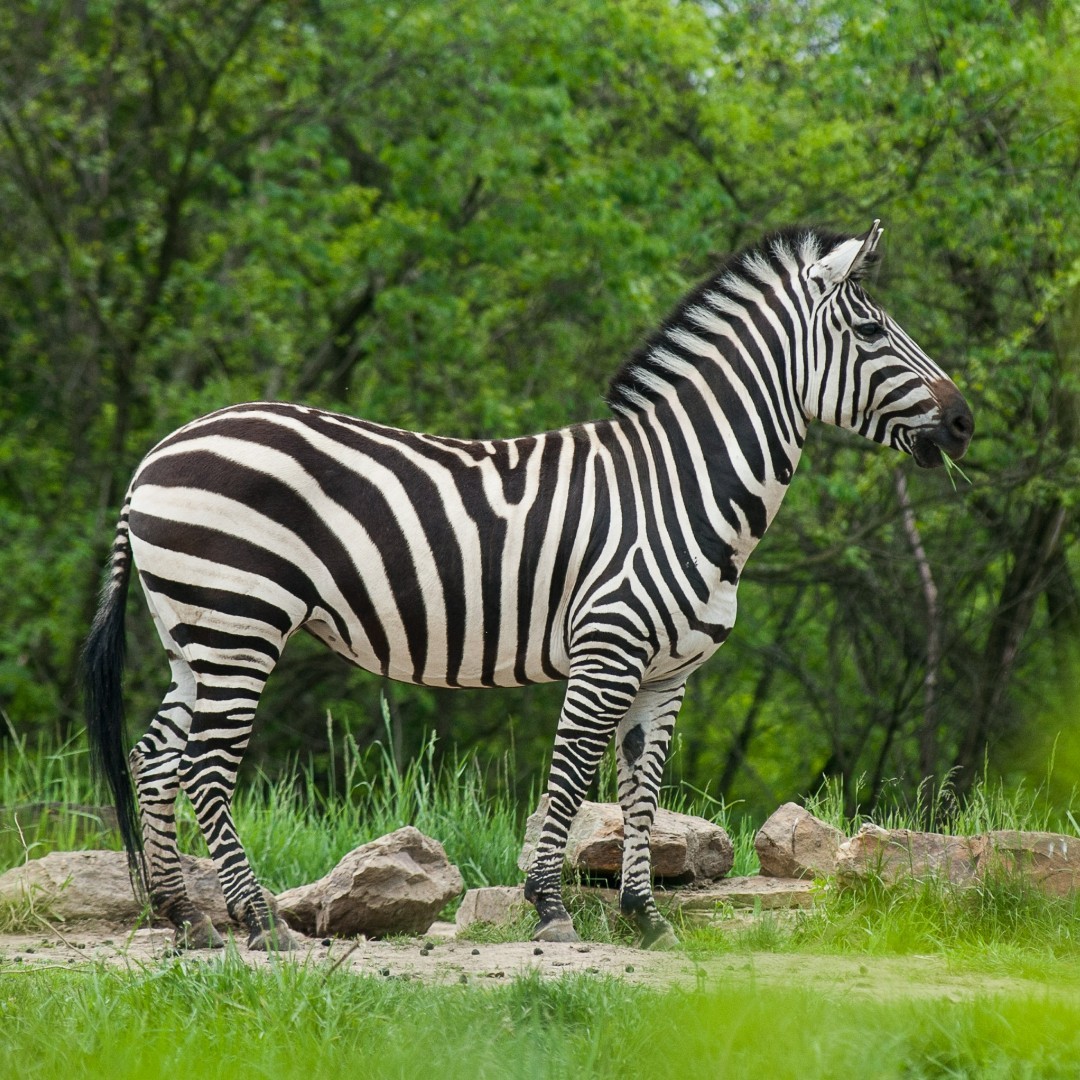
Zebras are fascinating creatures, recognized for their striking black-and-white stripes. Each zebra has its individual stripe pattern, akin to human fingerprints. This diversity in patterns raises questions about what functions these stripes serve. One prevailing theory is that the stripes might aid in regulating body temperature. Studies indicate that the unique stripe patterns can affect the way heat disperses across their bodies, offering an advantage in their hot habitats.
Beyond temperature regulation, zebras use their stripes as a form of social identification. Each zebra recognizes family and other group members through their specific patterns. This ability to identify one another is crucial for maintaining social bonds, especially in larger herds where individuals may easily get lost. Stripes may also play a role in confusing predators and insects. For many years, scientists have debated whether visual confusion caused by stripes disorients predators, making it harder for them to target a single zebra during a chase. Additionally, stripes may act as a deterrent to biting flies, reducing the likelihood of disease transmission.
Despite their adaptability, zebras face numerous threats. Habitat loss due to human encroachment remains one of the most pressing issues. As urban areas expand and land is converted for agriculture, the natural habitats zebras rely on become fragmented. Poaching is another significant concern. Although they are not as widely hunted as elephants or rhinos, some species of zebras suffer from illegal hunting for their pelts or other body parts. Climate change also poses a severe risk, disrupting migration patterns and affecting food and water sources.
International Zebra Day is observed on January 31, a day dedicated to raising awareness about zebra species and their conservation status. This celebration encourages educational activities across schools, zoos, and communities worldwide. While enjoying the day, individuals can engage in a variety of activities, from visiting local zoos to learning more about zebra behavior and ecology through documentaries or lectures. Social media plays a vital role in spreading awareness about important conservation messages. Many conservation organizations run campaigns highlighting the importance of protecting zebras.
Supporting zebra conservation efforts can take several forms. Individuals can contribute by participating in conservation programs that focus on habitat preservation. Donations to wildlife organizations significantly help fund anti-poaching initiatives and habitat restoration projects. Educating others about the importance of biodiversity and the perils zebras face is another impactful option. Awareness leads to action; the more people learn about zebras, the more they are likely to lend their support.
Through concerted efforts on International Zebra Day and beyond, people can ensure the survival of zebras in their natural environments. Recognizing the critical roles zebras play in ecosystems while working collectively towards their safeguarding will enhance our ability to preserve them for future generations. By understanding the intricacies of their habitats and the significance of their stripes, society can foster a deeper appreciation for these remarkable animals, paving the way for their continued existence on this planet.
*****
Source Description
Happy International Zebra Day! Did you know that every zebra has a unique pattern? The function behind their stripes is still a scientific debate. It is believed that this trait may help them regulate their heat, recognize one another, and confuse predators or insects!
