
- Understanding Octopus Biology and Physiology
- The Ecological Role of Octopuses
- Human Interaction with Octopuses
- Conservation Efforts and Challenges
- Celebrating World Octopus Day
Octopuses are fascinating creatures that spark curiosity among marine enthusiasts and researchers alike. To gain insight into their biology and behavior, it is important to look at their unique features. Octopuses belong to the class Cephalopoda, which includes squids and cuttlefish. They have three hearts, blue blood, and highly developed nervous systems, making them some of the most intelligent invertebrates.
In terms of physiology, octopuses are soft-bodied creatures characterized by eight arms lined with suckers. These suckers are equipped with sensitive cells that can detect chemical cues and textures. This ability allows octopuses to interact with their environment, find food, and defend themselves from predators. Their skin can change color and texture, an important feature for communication and camouflage. Often, octopuses can change their appearance within seconds, helping them blend into their surroundings.
Beyond their intriguing biology, octopuses serve vital ecological roles in their habitats. As predators, they maintain the balance of marine ecosystems by controlling populations of crustaceans and other small fish. Their hunting techniques exhibit an array of strategies from ambushing to stalking, showcasing their adaptability.
Octopuses also help support the diets of larger marine animals, such as sharks and seals. They are an important food source, establishing a connection throughout the food chain. By understanding their roles, we can better appreciate the delicate balance within ocean ecosystems.
Interaction between humans and octopuses occurs in various contexts. First, many aquariums and marine centers feature octopuses as a major attraction. These exhibits aim to educate the public about marine life. As fascinating as they are, viewing them in captivity raises questions about their well-being. Responsible zoos and aquariums prioritize environments that replicate their natural habitats. This includes providing hiding spaces, which are essential for octopuses.
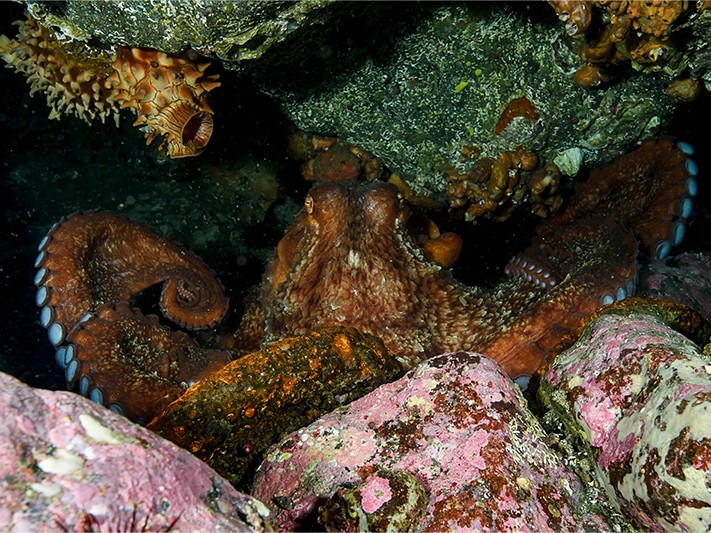
Several species, such as the giant Pacific octopus, have a preference for den-like settings. These dens, often created from rocks and shells, give them a sense of security. Observing these behaviors in controlled environments can enhance public knowledge while promoting conservation awareness.
Unfortunately, the allure of octopuses also leads to overfishing and habitat destruction. The rising demand for octopus as a delicacy has significant impacts. Many fishing practices are unsustainable and harmful to marine ecosystems.
In recent years, studies have shown that octopus populations are declining in some regions. Climate change plays a role in altering habitats, making it necessary to advocate for sustainable fishing practices. Local communities and organizations work to protect their environments through various initiatives, but challenges persist.
The world celebrates World Octopus Day on October 8th, a date chosen to honor these remarkable creatures. Events and educational activities take place globally, emphasizing the importance of conservation. This day aims to raise awareness about octopus biology, their ecological contributions, and the need for responsible ocean stewardship.
Visitors to aquariums or marine conservation centers often get a chance to learn about octopus adaptations and behaviors. Workshops, films, and discussions led by marine biologists provide opportunities to see these creatures up close and understand their importance.
In addition to their ecological roles, octopuses captivate culture and art. They are popular in literature, films, and artwork, inspiring generations to explore marine biology further. This cultural presence can promote greater interest and support for conservation efforts, intertwining knowledge and appreciation.
It is crucial to recognize that maintaining a balance in ocean ecosystems requires collective responsibility. Both individuals and organizations need to contribute to sustainable practices. Whether through reduced plastic usage, supporting sustainable fisheries, or participating in beach clean-ups, everyone can play a part.
Understanding the biology of octopuses leads to deeper ecological awareness. Recognizing their roles helps underscore the importance of respectful coexistence with marine life. As habitats continue to face pressures from various sources, safeguarding these intelligent beings remains imperative.
Learning about octopuses provides educational opportunities for younger generations. Schools and educational institutions often incorporate marine biology into their curricula to inspire future scientists. Interactive activities relating to octopus behavior can help foster a connection with the ocean, instilling a sense of stewardship.
World Octopus Day fosters collaboration among scientists, educators, and conservationists. This event serves as a reminder of our shared responsibility in protecting marine environments. Many initiatives gain traction around this time, focusing on research and habitat restoration.
In recent years, technology has facilitated advancements in understanding octopus behavior. Video cameras and underwater drones reveal interesting insights into their natural habitats. Researchers study feeding patterns and social interactions, contributing to knowledge crucial for successful conservation.
Public engagement through social media amplifies efforts to spread awareness. Users share photos, facts, and stories that highlight the importance of marine ecosystems. Digital platforms serve as vehicles for inspiring others to join the mission.
Collaborations among institutions often accelerate conservation steps. Joint research initiatives focus on tracking octopus populations and their health. Sharing data helps frame a narrative that emphasizes the need for prompt action.
World Octopus Day emphasizes inclusion and collaboration. Many entities come together, pooling resources and expertise. Events foster dialogues that link research findings to real-world applications, bridging gaps in knowledge dissemination.
The art of capturing and studying octopuses highlights the intersection of thrill and responsibility. Researchers often encounter challenges that require innovative solutions. Behavioral studies offer insights into how these creatures adapt to changing environments, enriching our comprehension of marine biodiversity.
In summary, all aspects surrounding octopuses, from their biology to ecological contributions, paint a complex picture of ocean health. As we recognize World Octopus Day, it becomes clear that awareness and education are pivotal in promoting sustainable practices. Understanding octopus behaviors and ensuring their habitats thrive are essential for future generations, emphasizing the interconnectedness of humanity and marine environments.
*****
Source Description
It’s the 8th of OCTOber and that can mean only one thing: it’s World Octopus Day! 🐙
Did you know that giant Pacific octopuses are den-dwellers by nature? Tight, small spaces help them feel secure and comfortable. They’re regularly seen tucked away in their den in the rocks—with piles of discarded shells from previous meals just outside the entrance. With the days getting darker and colder here in the PNW, we can easily say we relate. 😴
