
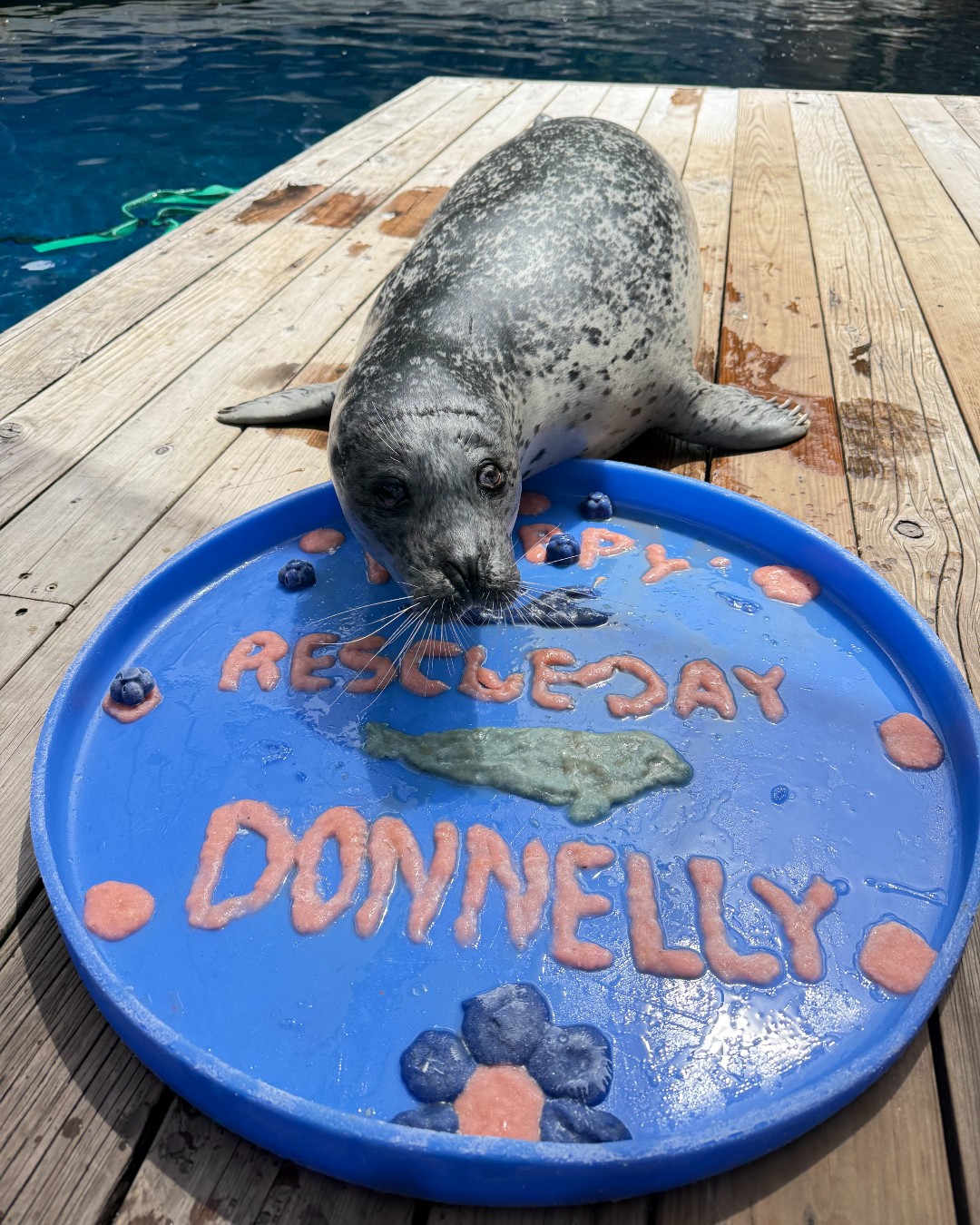
- Significance of Rescue and Rehabilitation: A spotlight on the crucial role of marine mammal rescue efforts.
- Donnelly’s Journey: From injury to motherhood and adaptation in a sanctuary.
- Motherhood in Captivity: Understanding the birth and release of Dory.
- Rehabilitation and Non-Releasability: Criteria and decision-making in wildlife conservation.
- Life in a Sanctuary: The importance of sanctuaries and their educational value.
Donnelly’s story is a testament to the indispensable role of marine mammal rescue organizations in wildlife conservation. The Vancouver Aquarium Marine Mammal Rescue Society’s intervention underscores not just the need but the complex processes involved in rescuing and rehabilitating injured marine life. In this instance, Donnelly—a harbor seal—suffered severe injuries from a boat strike, presenting physical challenges that called for immediate medical attention. This scenario is a common yet critical issue in aquatic environments, often resulting in injuries ranging from minor wounds to debilitating trauma.
The process of rescuing such animals involves several steps, starting with identification and assessment. For Donnelly, this included evaluating her injuries and immediate medical needs. Veterinary teams typically work around the clock, administering treatments that may include antibiotics, surgeries, and other therapeutic interventions. These efforts are guided by a wealth of veterinary science and a commitment to the recovery of the animal.
The unexpected discovery of Donnelly’s pregnancy added another layer of complexity and urgency. Pregnancy in rescued animals requires specialized care to monitor the health of both the mother and the developing pup. The successful birth of Donnelly’s pup, named Dory, highlights the expertise and dedication of the rescue staff. This event is pivotal, as pups born in captivity present both opportunities and challenges in terms of eventual release. Dory’s journey reflects successful rehabilitation techniques, allowing her to thrive and return to the wild, which is the ultimate goal of such rescue efforts.
The decision to classify Donnelly as non-releasable was made by Fisheries and Oceans Canada, predicated on her head injuries. In wildlife conservation, the determination of an animal’s releasability involves multifaceted criteria: their ability to forage, avoid predators, and integrate into wild populations are crucial considerations. Donnelly’s circumstances reveal the delicate balance between ideal conservation outcomes and the practicalities of animal welfare. Her condition necessitated lifelong care in a controlled environment, reflecting standards that are firmly rooted in conservation science and animal ethics.
Donnelly’s relocation to the BC’s Wild Coast at the Vancouver Aquarium epitomizes the role of sanctuaries and aquariums in supporting non-releasable wildlife. These facilities serve as both refuges for animals unable to survive in the wild and as educational platforms to raise awareness about marine conservation issues. Visitors gain insight into the life and challenges of marine creatures, fostering a connection that can lead to wider public support for conservation measures.
The educational value of having Donnelly in a sanctuary is profound. She symbolizes the plight of many marine animals affected by human activities. Public education campaigns around her story can galvanize support for safer boating practices, habitat protection, and broader environmental stewardship. Educators and conservationists use these narratives to engage the public on topics ranging from marine biodiversity to the environmental impacts of pollution and climate change.
Sanctuaries like that which now hosts Donnelly are crucial in the broader context of wildlife conservation. They not only provide safe havens for non-releasable animals but also act as research hubs where scientists can study animal behavior, health, and rehabilitation techniques. These studies contribute to global knowledge and can improve practices and policies related to marine conservation.
Donnelly’s rescueversary serves as both a celebration and a reminder of the continuous effort required to protect marine life. It embodies the intricate connection between rescue operations, rehabilitation processes, and educational outreach. It also underscores the ongoing narrative of human impact on marine environments and the responsibility to mitigate adverse effects through informed actions and policies.
Her story, alongside her pup Dory’s release, offers hope and demonstrates the successes achievable when science, compassion, and public interest converge in the service of conservation. As threats to marine life persist, such cases provide motivation and lessons pivotal for future rescue and rehabilitation efforts. The success and survival of seals like Donnelly depend upon continued vigilance and commitment from conservation communities and the public alike.
*****
Source Description
Today is Donnelly’s fourth rescueversary! After sustaining injuries from a boat strike, harbour seal Donnelly was rescued by the Vancouver Aquarium Marine Mammal Rescue Society, who discovered that she was pregnant with a pup! The pup, Dory, was born at the rescue centre and successfully released into the wild! Donnelly’s head injuries caused her to be deemed non-releasable by Fisheries and Oceans Canada, so she was transferred here to the Aquarium, where she spends her days chilling out in BC’s Wild Coast!
