
- The significance and origins of National Zookeeper Week, with a focus on hoofstock.
- Roles and responsibilities of zookeepers specializing in hoofstock.
- Conservation efforts and the challenges associated with hoofstock in captivity.
- Educational programs and community outreach emphasizing hoofstock.
- The impact of habitat management and care on hoofstock welfare in zoos.
Every year, National Zookeeper Week provides an opportunity to recognize the incredible work done by zookeepers across the United States. This week is especially meaningful for those dedicated to the care of hoofstock, a group of animals that includes some of the most iconic species in the animal kingdom, like giraffes, antelopes, and zebras. Highlighting the dedication and passion of these conservation heroes brings attention to the vital role they play in animal care and wildlife conservation.
The significance and origins of National Zookeeper Week lie in its role in raising awareness about the complex tasks zookeepers perform daily. Recognized during the third week of July, this celebration aims to showcase the invaluable contributions of zoo professionals. By focusing on hoofstock, it enlightens the public on the significance of these species in biodiversity and ecological balance.
Hoofstock zookeepers have a diverse array of responsibilities. Their roles extend from daily care routines to complex medical interventions. Each day, they ensure animals receive proper nutrition tailored to each species’ unique dietary needs. Zookeepers must also be keen observers, monitoring animal behavior for signs of stress, illness, or injury. It’s critical for them to understand the natural history of each species, as this knowledge informs enrichment activities that encourage natural behaviors. Awareness of breeding habits is another key aspect, as many hoofstock species participate in global breeding programs aimed at sustaining genetic diversity.
Conservation efforts for hoofstock are of paramount importance. Many of these animals face significant threats in the wild, including habitat loss and poaching. Zookeepers and conservationists collaborate to create breeding programs that aim to boost population numbers and preserve genetic health. Furthermore, by housing hoofstock in captivity, zoos can provide a safeguard against extinction and function as educational environments for the public. However, maintaining hoofstock under human care presents distinct challenges, from ensuring vast habitats to simulating natural grazing conditions.
Educational initiatives and community outreach are pivotal in spreading awareness about hoofstock conservation. Zoo programs engage visitors with information about the ecological roles these animals play and the threats they face. Through interactive exhibits and keeper talks, zoos work to inspire visitors to support conservation efforts. Schools and youth programs often partner with zoos to incorporate hoofstock studies into their curriculum, emphasizing ecological literacy from a young age.
Habitat management and welfare are crucial for the well-being of hoofstock in captivity. Designing enclosures that mimic natural environments as closely as possible is essential. Enclosures must be spacious enough to allow for natural behaviors such as grazing and roaming. Zookeepers collaborate with veterinarians and nutritionists to manage diets and healthcare, ensuring optimal welfare. Proper shelter is needed to protect animals from extreme weather, and creating complexities in the environment helps stimulate mental and physical health.
National Zookeeper Week emphasizes the essential nature of zookeepers’ work, particularly in hoofstock management and care. Their professionalism ensures these animals not only survive but thrive, contributing to global biodiversity conservation. Through dedication, education, and public engagement, zookeepers help secure a sustainable future for hoofstock and the larger ecosystems they represent.
*****
Source Description
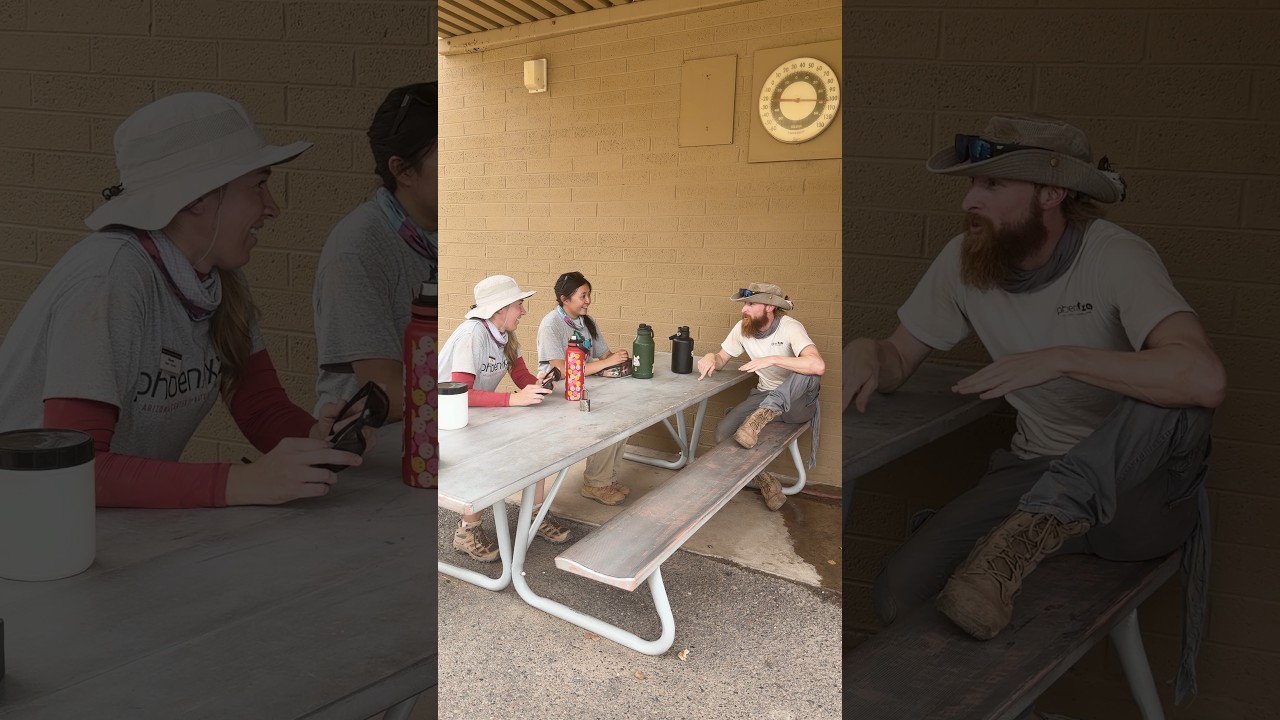
It’s National Zookeeper Week (pt. 11) 🥳
Last but certainly not least, we are highlighting the hoofstock team for the final Zookeeper Week post! Talk about camera-shy! Just like their animals, filming them proved to be no easy task. The hoofstock team works mostly with prey animals, which requires a lot of time to build trust. The trust is necessary not only for the keeper’s safety, but also for the animals’ overall wellbeing. We are very appreciative of this team and all that they do!
