
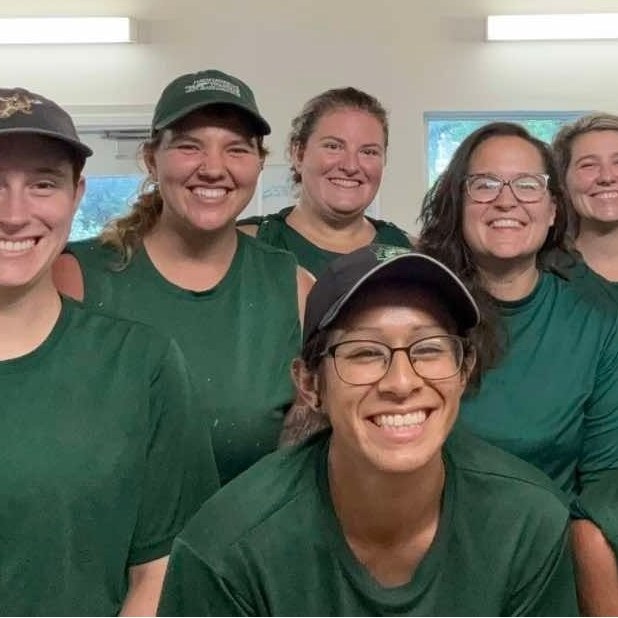
- A focus on the critical roles zookeepers play in animal care and public education.
- Overview of the various animal care departments and their specific responsibilities.
- The educational requirements and continuous learning in zookeeping.
- The round-the-clock nature of zookeeper duties and the dedication involved.
- Recognition and appreciation of zookeepers on International Zookeeper Day and every day.
Zookeepers are integral to the animal care ecosystem and public education within zoos. Their expertise underlies the operational and educational aspects of zoo management. On International Zookeeper Day, we celebrate these individuals who connect the public with wildlife while ensuring the health and well-being of the animals.
Different animal care departments exist within the zoo, each designed to address specific needs and challenges inherent to various species. The Mammal, Aquatic, Bird, Herpetology, and Education departments encompass a wide array of responsibilities. Each zookeeper serves a vital role in caring for the animals and facilitating public interaction.
In the Mammal department, keepers focus on species ranging from large carnivores to small primates. They handle daily tasks such as cleaning enclosures, preparing diets, administering medication, and conducting training sessions. For aquatic animals, tasks differ significantly. The Aquatics team deals with water quality management, specialized feeding techniques, and engaging in behavioral enrichment activities that simulate natural conditions for animals like otters and penguins.
Bird keepers meticulously observe species behaviors, ensuring appropriate social grouping and health monitoring. Their responsibilities also extend to the maintenance of aviaries that mimic natural habitats. The Herpetology department engages in unique challenges, often working with reptiles and amphibians that require specific humidity levels and temperature control. Each of these departments reflects the specialized knowledge and skill set that zookeepers possess.
Education remains a cornerstone of zookeeper duties. Through keeper chats, public presentations, and community engagement, these professionals share insights about animals’ habitats, behavior, and conservation needs. They often lead special educational programs or school visits that enhance appreciation for wildlife. Zookeepers may even participate in media interviews, bringing public attention to critical conservation issues.
Educational requirements for becoming a zookeeper typically include a Bachelor’s Degree in fields such as Zoology, Biology, or Animal Sciences. This foundational knowledge is crucial for understanding animal biology, nutrition, and behavior. Some zookeepers advance further in their studies and earn Master’s degrees that deepen their expertise. Continuous professional development is vital in this field. Conferences, workshops, and scientific publications keep staff updated on evolving best practices in animal care and welfare. Innovative research is paramount in informing how zookeepers interpret animal needs.
Animal care is a 24-hour commitment. Zookeepers must be prepared to respond to emergencies at any time, providing immediate care when animals fall ill or require special attention. This dedication extends beyond regular hours, often involving weekend and holiday shifts. Cases such as bottle-feeding infant animals or administering urgent medication signify the relentless dedication that zookeepers exhibit. Each day brings new challenges, and their steadfast commitment fosters an environment where every animal thrives.
The bond between zookeepers and the animals is an essential aspect of effective care. By spending time observing and interacting with them, zookeepers build relationships that enhance training and overall animal well-being. Behavioral assessments allow keepers to create tailored enrichment programs, essential for maintaining the physical and mental health of the animals. This individualized attention contributes significantly to higher animal welfare standards.
Animal enrichment varies by species, emphasizing the importance of stimulating environments. Enrichment can involve physical objects like climbing structures, auditory stimuli, or even food puzzles that encourage natural foraging behaviors. These enhancements not only keep animals engaged and happy but also allow zookeepers to monitor behavioral health.
Zoos increasingly recognize the role of public engagement in conservation efforts. The stories shared through zookeeper interactions instill a sense of connection to wildlife in visitors, fostering a desire to protect natural habitats. Social media platforms also serve as crucial tools for this engagement. Zookeepers often share heartwarming stories, fun facts, and conservation messages, reaching audiences far beyond traditional zoo visitors. This modern approach to education ensures that wildlife conservation remains at the forefront of public consciousness.
Zookeepers often collaborate across departments to ensure comprehensive animal care. This cross-functionality enriches the work environment, promoting a holistic approach to zoo management. For example, bird and mammal departments may work together on diet formulation to mirror natural foraging behaviors in habitats. These interdisciplinary efforts reflect the importance of teamwork in wildlife conservation and education.
The field of zookeeping offers numerous challenges, yet it rewards practitioners with the opportunity to make impactful changes. Zookeepers often advocate for wildlife conservation beyond their immediate surroundings. When speaking at conferences or leading educational workshops, they influence policies that safeguard species and habitats. Their efforts contribute to broader conservation networks that span local, regional, and global initiatives.
Each International Zookeeper Day presents an opportunity to reflect on this dedication and share the stories of incredible zookeepers. These professionals invest their energy into making a difference for both the animals they care for and the communities they engage with. It’s a day to acknowledge their essential contributions and reaffirm the importance of education and conservation.
In addition to animal care, zookeepers engage in various organizational roles within the zoo. They may serve on committees that shape zoo policy, participate in program development, and contribute to strategic planning efforts. These roles emphasize how zookeepers are not only caretakers but also leaders within the zoo community.
The emotional resilience that zookeepers demonstrate is noteworthy. They navigate the realities of animal care, including the heartaches associated with loss and the triumphs of successful rehabilitation. The emotional investment in their work enhances team bonds and creates a supportive atmosphere wherein zookeepers can process challenges collectively.
While the realities of animal care are significant, the rewards are countless. Witnessing animals reclaim their health, thriving in carefully curated environments, is an affirmation of their commitment. Zookeepers celebrate these victories and continuously seek ways to advance animal welfare standards further.
Every day, zookeepers make choices that can have far-reaching consequences. They play a pivotal role in research and conservation efforts, documenting animal behaviors and physiological changes that can inform wider discussions about wildlife health. Their observations and experiences contribute to a global repository of knowledge over time.
As people gather on International Zookeeper Day, they reflect not only on individual contributions but also on the collaborative efforts that propel conservation forward. The stories of endangered species and the ongoing push to safeguard habitats connect all zookeepers to something larger. The essence of their work is about creating a world where wildlife can thrive, benefiting both animals and humans alike.
Through dedicated care and education, zookeepers spark curiosity and advocacy. Their role in bridging the gap between the public and the animal kingdom is paramount. By facilitating connections, they inspire conservation action among zoo visitors, turning knowledge into advocacy.
With profound gratitude, we acknowledge the incredible zookeepers throughout the world. Their daily efforts ensure that the welfare of animals remains a priority while enriching our communities. Every International Zookeeper Day serves as a reminder to celebrate this vital work. Zookeepers exemplify the spirit of education, dedication, and conservation, making them indispensable to animal welfare efforts across the globe.
*****
Source Description
Yesterday was International Zookeeper Day, so we’d like to take a moment to talk about our amazing zookeepers!
We have multiple animal care departments – Mammals, Aquatics, Birds, Herp, and Education. They all care for every animal at our zoo.
Daily the zookeepers provide for all of our animal’s needs like cleaning, food, administering medication, enrichment, training, etc. They also provide public education through keeper chats, presentations, interview with the news, chair and sit on different zoo committees, minor maintenance, building and developing large enrichment or structures, social media (Hi!), and soooo much more!
Zookeepers predominantly get a Bachelor’s Degree in a science field like Zoology, Biology, Animal Sciences. A few of our keepers even have Master’s Degrees. This field has a lot of science in it that guides how our animals are cared for, trained, habitat designs and more. And the field is ever changing, so it’s essential that our staff continues to grow and learn. There are specific conferences, and publications that are dedicated to the field.
Animal care is a 24hr job. If our animals need their keepers, the staff is there for them no matter the time or if it’s their weekend or holiday. We have had this for bottle feeding or caring for infants, if an animal is sick – zookeepers are there.
Thank you so much to our incredible zookeeper on International Zookeeper Day and everyday!
