
- Significance of National Zookeeper Week
- The role of zookeepers in wildlife conservation
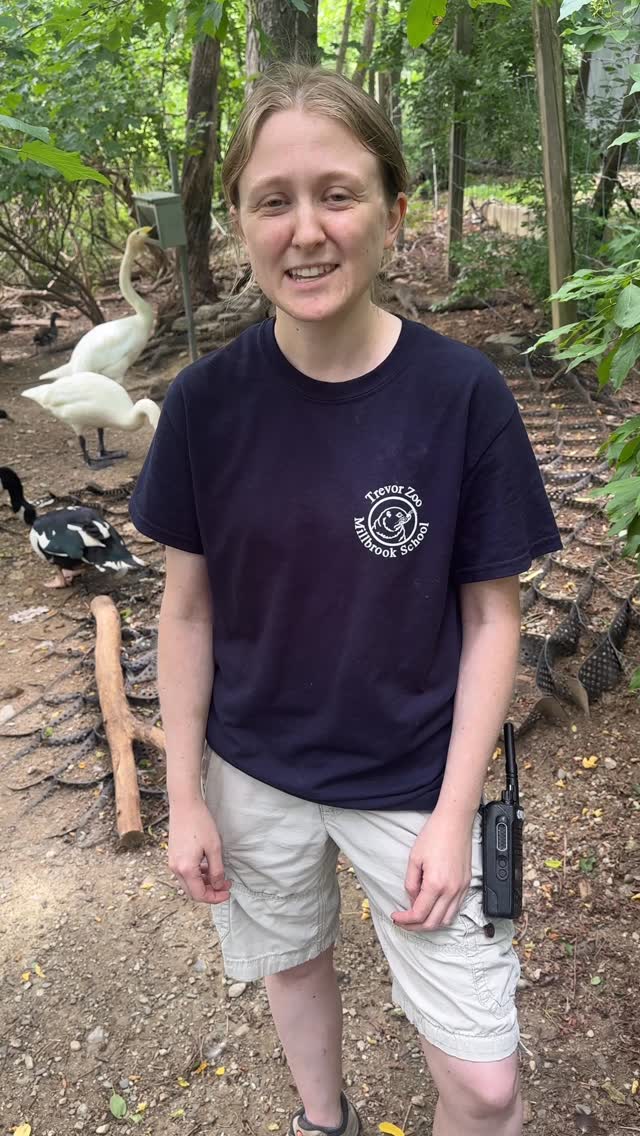
- Introduction to Amy: Our newest zookeeper
- Career paths and necessary skills in zookeeping
- Ways to celebrate and support zookeepers
National Zookeeper Week is an observance that shines a spotlight on the incredible efforts of zookeepers across the country. Taking place every July, this week serves not only to celebrate these dedicated individuals but also to educate the public about the critical roles they play in animal care, conservation, and education. Zookeepers are essential to maintaining the health and well-being of the animals under their care while also educating visitors about wildlife and its conservation needs.
The roles of zookeepers extend far beyond feeding animals and cleaning enclosures. These professionals are trained in animal behavior, nutrition, health care, and conservation practices. Many zookeepers help conduct research to improve the well-being of animals and to contribute valuable data to broader conservation efforts. By focusing on animal care, education, and outreach, zookeepers promote a greater understanding and appreciation of wildlife among the visiting public.
Meet Amy, our newest zookeeper. With a background in zoology and hands-on experience in wildlife rehabilitation, Amy brings a wealth of knowledge to our team. Her passion for animal welfare and conservation initiatives aligns with the mission of our zoo. She is knowledgeable in animal husbandry, a critical aspect of zookeeping, which involves managing the care of animals in captivity to meet their physical and psychological needs.
Amy will play an essential role in our educational programs, which aim to inform visitors about the importance of biodiversity and the challenges facing wildlife today. By sharing her insights on animal behavior and conservation practices, she will engage and inspire guests of all ages. Additionally, Amy’s skills will help enhance our animal care practices, ensuring that our residents lead healthy and enriched lives.
What does it take to become a zookeeper? The path typically begins with a strong educational foundation, often grounded in fields such as zoology, animal science, or biology. Many aspiring zookeepers pursue internships or volunteer experiences at zoos or wildlife sanctuaries, which provide invaluable practical experience. Essential skills for zookeeping include observational abilities, effective communication techniques, and a deep understanding of animal behavior.
The work environment for zookeepers can be physically demanding. They must be prepared for the emotional and physical challenges of working around animals that may display unpredictable behaviors. The job involves various tasks, such as preparing diets, maintaining habitats, and conducting behavioral assessments. For many zookeepers, spending time directly interacting with animals is the most rewarding aspect of their job.
This week, as we celebrate National Zookeeper Week, consider ways to show appreciation for zookeepers like Amy. One simple way to support zookeepers is to visit your local zoo or wildlife sanctuary. Attendance helps generate revenue that supports animal care and conservation programs. Engaging in educational programs offered by the zoo is an excellent way to learn about wildlife conservation and the role that zookeepers play in conservation efforts.
Additionally, donations and sponsorships can contribute significantly to the operational needs of zoos, especially in supporting animal care, conservation initiatives, and educational outreach efforts. Many zoos offer membership programs that provide benefits while also helping to finance the zoo’s conservation work. Participating in special events or fundraisers also aids in supporting the various programs that zookeepers implement.
Education and awareness are crucial in promoting wildlife conservation. During National Zookeeper Week, zoo programs often focus on shedding light on the challenges wildlife face, such as habitat loss, poaching, and climate change. Zookeepers often engage with the community through workshops, talks, and school programs to disseminate valuable information.
Amy, along with her colleagues, will be involved in such initiatives, utilizing her strong background in animal welfare to educate the public. By promoting a conservation mindset among visitors, zookeepers foster empathy and responsibility towards wildlife. This cultural shift toward a conservation ethos is vital in ensuring the survival of diverse species in their natural habitats.
Celebrating National Zookeeper Week is not only about recognizing zookeepers like Amy but also about initiating conversations about wildlife and ecosystems. As stewards of the environment, zookeepers provide essential insights on how humans can positively impact animal habitats and biodiversity.
Zookeepers often collaborate with other professionals in wildlife conservation. Their work often intersects with veterinarians, wildlife biologists, and conservation scientists. Such collaborations amplify conservation efforts and lend a holistic approach to preserving animal species. Zookeepers are essential in implementing breeding programs for endangered species, a strategy aimed at re-establishing population numbers in the wild.
With awareness and advocacy at the core of their mission, zookeepers help illuminate the interconnections among various ecosystems. Each animal serves a specific role in its habitat, and a loss can lead to significant imbalances. By educating the public on these ecological principles, zookeepers enhance community engagement in preserving nature.
To further support National Zookeeper Week initiatives, consider volunteering at local environmental organizations or supporting wildlife conservation programs. Public awareness campaigns are essential in mobilizing resources for conservation efforts. They can effectively galvanize community support and drive policy changes at local and national levels.
The observance of National Zookeeper Week encourages positive discourse around wildlife and conservation. Zookeepers play a fundamental role in these discussions, providing expertise that bridges scientific research and community understanding. Their efforts not only promise better care for animals but also work towards a sustainable future for wildlife.
Amy’s arrival adds to the depth of our team’s ability to connect with the community and advocate for wildlife conservation proactively. Passionate about animal welfare, she is a crucial addition to our efforts to educate the public on pressing environmental issues.
Over the years, National Zookeeper Week has evolved into a collaborative effort to foster appreciation for animal care professionals. It underscores the vital relationship between communities and wildlife. Zookeepers advocate for policies that help protect habitats while ensuring the survival of species. By sharing this knowledge, zookeepers empower individuals to make informed decisions that contribute positively to conservation.
As we celebrate National Zookeeper Week, let us take a moment to appreciate the hard work and dedication shown by zookeepers like Amy. Their commitment to animal well-being, education, and conservation significantly impacts our understanding of wildlife. By recognizing their contributions, we inspire others to develop a caring and responsible relationship with the natural world.
Getting involved during National Zookeeper Week can create lasting impressions and foster connections with wildlife. Attending educational events, participating in community outreach programs, and supporting local zoos allows visitors to engage directly with zookeepers and their work. This level of interaction not only inspires generations but also fosters a more profound respect for the complexities of wildlife conservation.
In closing, National Zookeeper Week represents much more than a celebration; it is an invitation to the public to engage with wildlife and enhance their understanding of conservation issues. As Amy steps into her role as a zookeeper, she joins countless dedicated professionals committed to protecting our planet’s delicate ecosystems. Celebrating this week provides an opportunity to recognize their passion and long-lasting impact on wildlife conservation and environmental stewardship.
*****
Source Description
Celebrating National Zookeeper Week! Meet the newest keeper on our team, Amy!
