
- The importance of heart health in marmosets and other primates
- Insights into veterinary care and diagnostic tools for wildlife
- The role of zoos in wildlife conservation and animal welfare
- Strategies for maintaining animal health in captivity
- The significance of teamwork in veterinary medicine and zoo management
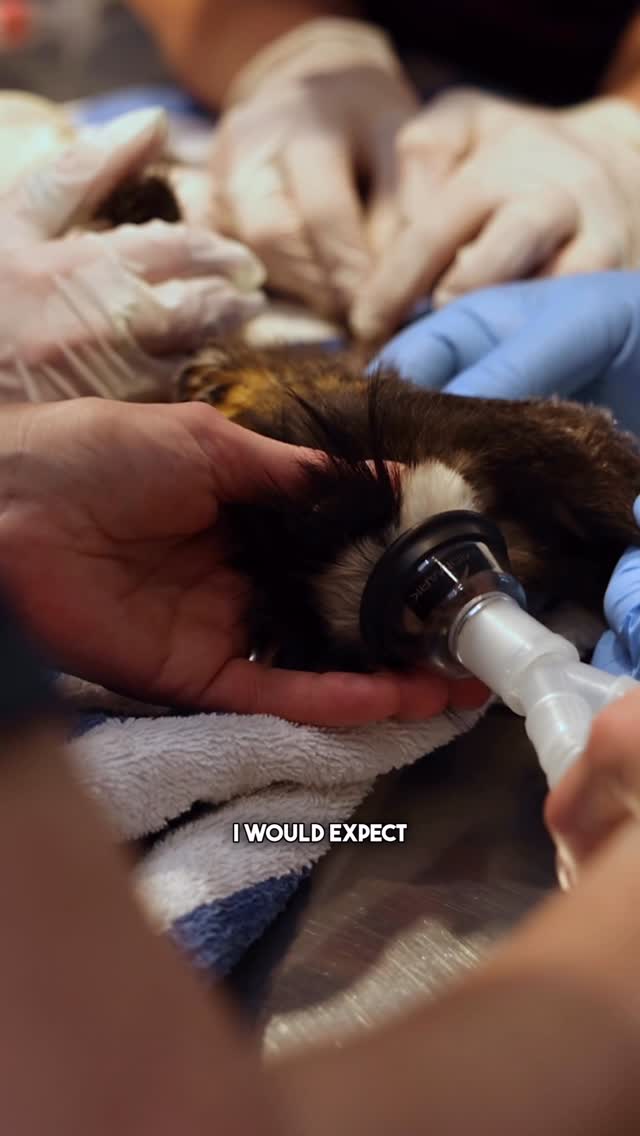
Dr. Goodwin’s visit to the Trevor Zoo at Millbrook introduced her to Jelly, an adorable marmoset in need of medical attention. Marmosets are small, New World primates that require diligent care, as their health is crucial to their overall well-being. One of the prevailing concerns in marmosets is heart health, which can be affected by various factors, including diet, stress, and genetics. Understanding these challenges adds depth to the conversation surrounding animal welfare in captivity.
Heart disease in marmosets is a pressing issue. Just like humans, marmosets can suffer from various cardiac problems, such as arrhythmias and cardiomyopathy. These conditions can often arise due to poor diet or inadequate living conditions. Dr. Goodwin’s ultrasound examination of Jelly was instrumental in determining the state of her heart. Ultrasound is a non-invasive imaging technique that allows veterinarians to visualize the heart’s structure and functionality. This approach is vital, as it can guide treatment options without causing distress to the animal.
The collaborative efforts by Dr. Goodwin and the zoo staff highlight the importance of teamwork in veterinary medicine. Wildlife caretakers, veterinarians, and veterinary technicians all play a pivotal role in ensuring that the health of zoo animals, like Jelly, is managed effectively. Such collaboration fosters an environment where knowledge and skills are exchanged, ultimately benefiting the animals under their care.
Veterinary care for wildlife often employs advanced diagnostic tools paired with traditional methods. In Jelly’s case, an ultrasound provided immediate insights into her cardiac condition. This technology facilitates early detection of potential problems, allowing for prompt intervention. Regular health assessments are encouraged to monitor the well-being of animals in captivity, providing data that help refine care practices.
Zoos play an increasingly crucial role in wildlife conservation. Marmosets often face threats in the wild, including habitat loss and poaching. By caring for these animals in a controlled setting, zoos can contribute to species preservation while simultaneously educating the public about the challenges faced by wildlife. The Trevor Zoo is committed to this mission, making it essential that their caretakers are equipped to handle both preventive care and emerging medical issues.
Keeping animals healthy in captivity demands a well-rounded approach that includes a proper diet, mental stimulation, and social interactions. Captivity can lead to stress, which negatively impacts health. Consequently, understanding the social structures of marmosets is paramount. They thrive in familial groups and need socialization for emotional and psychological stability.
Jelly’s case outlines a fundamental aspect of wildlife management: the need for a balanced diet. Marmosets are omnivorous, and their nutritional needs differ significantly from those of other pets or even different primate species. They require a variety of foods, including fruits, insects, and specialized commercial diets formulated for primates. Feeding practices must be regularly reviewed to adapt to any health changes, particularly in older or ill animals.
The health care provided to zoo animals is not solely about treatment; it also encompasses preventive measures to ward off diseases before they manifest. This proactive approach requires continual education for zoo staff, including updated training on nutritional guidelines, stress mitigation techniques, and the latest diagnostic technologies. Regular workshops and seminars help foster an enlightened approach to animal care that translates into better health outcomes.
Moreover, the emotional state of animals should not be overlooked. Marmosets are highly social creatures, and their mental well-being is as vital as their physical health. The incorporation of enrichment activities—such as foraging challenges and interactive play—stimulates their natural behaviors and promotes a higher quality of life. Caretakers must continually assess the effectiveness of enrichment strategies to ensure they resonate with the animals’ varying needs.
Dr. Goodwin’s strategy for Jelly included not only immediate medical attention but also long-term solutions. Developing a comprehensive health plan means considering all aspects of the animal’s life, including diet and environmental enrichment. Educating caretakers and zoo visitors alike about these strategies enhances awareness and advocacy for wildlife preservation.
The collaborative nature of veterinary care in a zoo underscores the notion that healthcare for animals is a multifaceted endeavor. In Jelly’s situation, the swift communication between Dr. Goodwin and the zoo staff allowed for an effective care plan to be established. This relationship not only enhances the well-being of individual animals but also fortifies the institution’s reputation as a responsible custodian of wildlife.
The insights gained from Jelly’s case can be beneficial not just for similar species, but across the board for zoo management and veterinary practices. Understanding the unique physiological and behavioral characteristics of each species ensures that comprehensive care plans are established. Such plans will also incorporate veterinary science with an understanding of animal husbandry and welfare practices.
As concerns for wildlife preservation escalate, the role of zoos continues to transform. They are shifting from mere entertainment facilities to sanctuaries focused on education, conservation, and research. The emphasis on ethical care and the welfare of animals leads to a broader discussion about how societies can balance human interests with the needs of wildlife.
Furthermore, the success of conservation efforts heavily relies on informed public engagement. Educational programs that promote awareness about species like the marmoset can lead to heightened interest in conservation. Schools, families, and communities become active participants when they recognize the significance of protecting wildlife ecosystems, creating a ripple effect of involvement and advocacy.
In summary, the health care of marmosets, as exemplified by Jelly’s situation, brings to light several critical areas of focus in zoology and wildlife management. Heart health is a significant concern that warrants constant monitoring. The tools and techniques used by veterinarians in wildlife settings are vital for addressing medical issues quickly and effectively.
Zoo environmental management goes hand in hand with health care. Ensuring that animals’ psychological and physical needs are met creates a quality of life that honors their natural behaviors and social structures. The dedication demonstrated by caregivers is commendable, reflecting a commitment to not only the animals’ health but also to broader conservation efforts.
Dr. Goodwin’s work symbolizes a bigger picture in zoo management and wildlife conservation. Every animal, regardless of species, plays a role in the intricate web of our ecosystem. Jelly is a reminder that with care and compassion, the plight of wildlife in captivity can be aided. The proactive collaboration among teams and the employment of scientific techniques demonstrate the profound impact that concerted efforts can have on animal welfare and broader conservation efforts. Through education, awareness, and responsible management, the conservation of species and their habitats will resonate for generations to come.
*****
Source Description
Dr. Goodwin had the esteemed pleasure of visiting the @trevorzoomillbrook and meeting Jelly, the absolutely adorable marmoset, whose caretakers were having some concerns about the health of her heart.
After a quick ultrasound and some review, Dr. Goodwin and the zoo’s team came up with what they felt like was a great plan of action to get this little primate in better health.
