
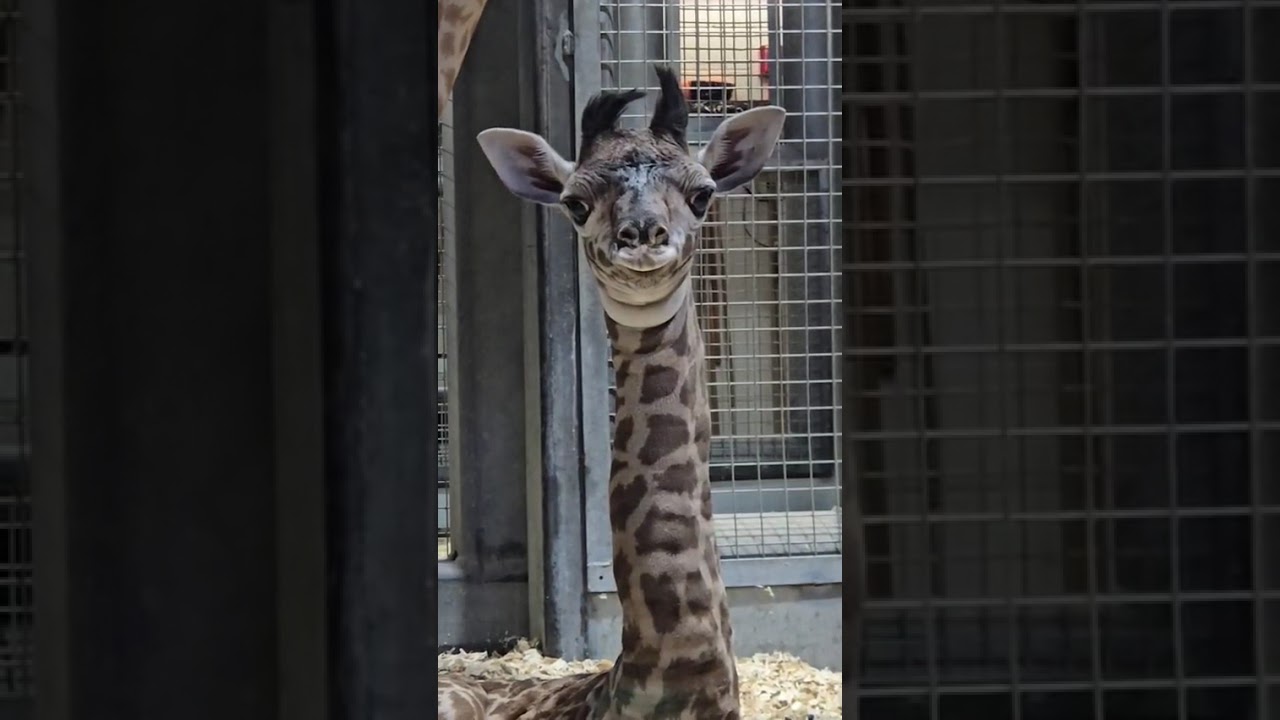
- Introduction to #BabyLongNeck and its significance in zoology.
- The role of zoological management in nurturing young wildlife.
- Conservation efforts and the significance of giraffes in the ecosystem.
- Educational impact of #BabyLongNeck’s story on public awareness.
- Challenges and innovations in wildlife conservation and zoo management.
The birth of #BabyLongNeck, a charming young giraffe, has piqued the interest of zoology enthusiasts and conservationists worldwide. As Happy One Month, #BabyLongNeck celebrates a key milestone, it’s an ideal time to explore how this event transcends mere novelty, offering insights into zoological management, wildlife conservation, and ecosystem roles.
The significance of #BabyLongNeck in zoology goes beyond the fascination with its elongated neck and endearing presence. Giraffes possess unique physiological traits that captivate scientists. Their distinctive anatomy, especially the neck, involves a remarkable adaptation featuring the same number of vertebrae as most mammals, but each being much longer. This offers insights into evolutionary biology and biomechanics, making giraffes a subject of extensive research.
Zoological management plays a vital role in nurturing young wildlife like #BabyLongNeck. The early stages of a giraffe’s life are critical, involving precise care to support healthy development. Zoo staff are tasked with replicating the complexities of a natural habitat, ensuring the right diet and enrichment activities. The goal is to mimic natural behaviors and promote physical and mental health. This requires a multidisciplinary approach, combining expertise in animal behavior, veterinary care, and nutrition.
Conservation efforts targeting giraffes are crucial, as these gentle giants face numerous threats in the wild. Factors such as habitat loss, poaching, and climate change have led to a decline in many giraffe populations. However, events like the birth of #BabyLongNeck underscore the importance of conservation breeding programs. These initiatives aim to maintain genetic diversity and support rewilding projects, thus contributing to the species’ long-term survival.
The story of #BabyLongNeck highlights the educational impact of wildlife on public awareness. It provides an engaging narrative that can inspire people to support conservation efforts. Zoos and conservation organizations leverage such stories to enhance environmental education, emphasizing the interconnectedness of ecosystems and the role each species plays in maintaining ecological balance.
Challenges in wildlife conservation and zoo management are manifold, but recent innovations offer hope. Advances in technology, such as GPS tracking and genetic mapping, have revolutionized our ability to monitor and manage wildlife populations. Additionally, collaborations between zoos, academic institutions, and conservation NGOs are fostering a more integrated approach to addressing ecological challenges.
Happy One Month, #BabyLongNeck is not just a celebration but a reminder of the delicate balance within our ecosystems and the ongoing efforts needed to preserve it. Through education, conservation, and dedicated management, we can hopefully secure a future for giraffes and countless other species. These efforts are a testament to the capability and dedication of those working tirelessly to protect the planet’s biodiversity.
*****
Source Description
Today, we are proud to be celebrating Mstari’s female calf and her one-month milestone as a vibrant symbol of hope and conservation. In just a few short weeks, she has already captured the hearts of members, guests, staff and volunteers alike – standing tall as an ambassador for her species both here at your Zoo and for her wild counterparts 🦒
Her presence also highlights for us the importance in protecting these gentle giants, whose populations face ongoing threats in the wild. Not only has she inspired greater curiosity and connection in such a short time, but a deeper commitment for us to work for wildlife conservation, reminding us that even the youngest among us can play a powerful role in shaping a better future for their species.
If you’ve yet to visit with her, a reminder that the Giraffe House is open from 11:00am until 3:00pm daily. While visiting the Giraffe House, we encourage you to keep your voices low. Thank you for helping us to promote a calm, safe and stress-free home for both mom and daughter.
Don’t forget, there is still time to help us name the new female Masai giraffe calf 🍼🦒
In honour of her one month birthday today, head to torontozoo.com/giraffe and cast your vote before voting closes Monday, March 23 🗳️
