
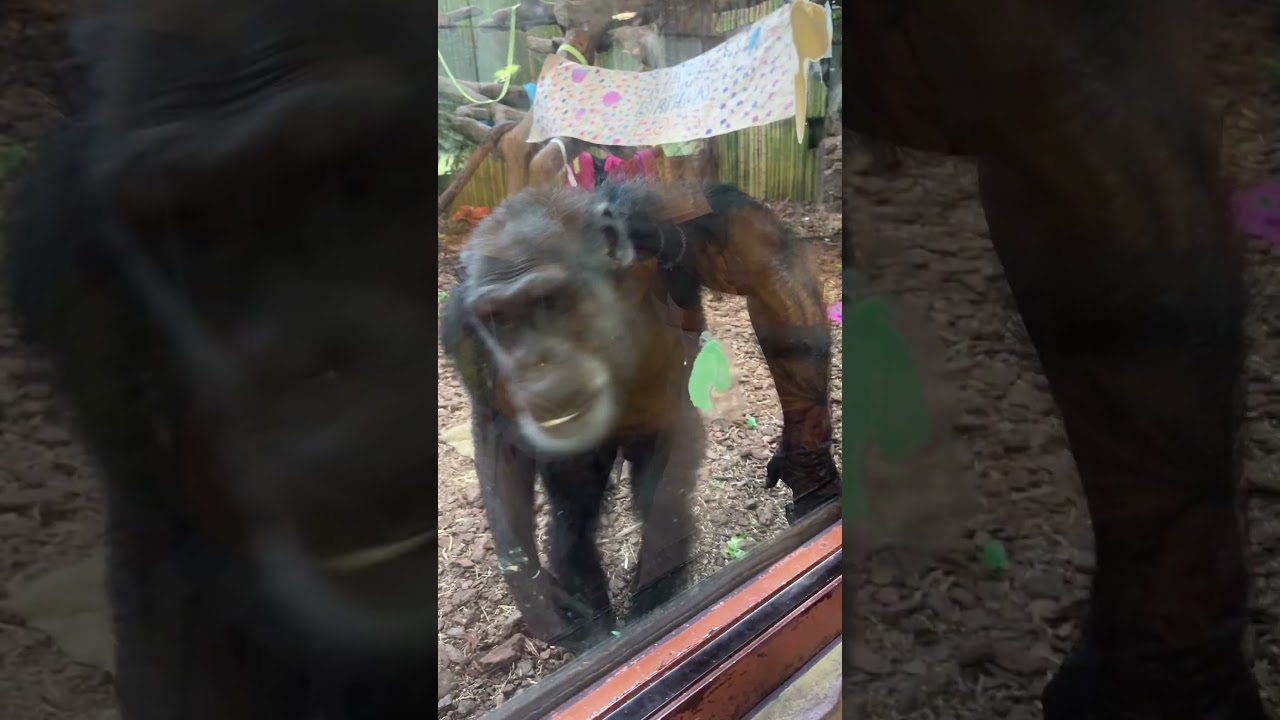
- Understanding the Significance of Happy World Chimp Day and Its Importance in Conservation
- The Behavior and Social Structure of Chimpanzees
- The Role of Zoos and Wildlife Sanctuaries in Chimpanzee Conservation
- Challenges Facing Chimpanzees in the Wild and Conservation Efforts
- Public Engagement and Education on Chimpanzee Preservation
Happy World Chimp Day, observed annually, serves as a significant reminder of our closest living relatives in the animal kingdom and the importance of conserving their natural habitats. This day is dedicated to raising awareness and fostering appreciation for chimpanzees, emphasizing the urgent need for conservation efforts.
Chimpanzees share approximately 98% of their DNA with humans, highlighting their close evolutionary relationship with us. This connection underscores the importance of understanding them, not just scientifically, but also emotionally and ethically. Celebrating Happy World Chimp Day encourages discussions on the threats they face and the measures necessary to protect their populations and habitats.
Chimpanzees exhibit complex social structures and behaviors. Living primarily in forested areas across West and Central Africa, they form hierarchical groups known as communities. Social bonds in these groups are maintained through grooming activities which strengthen alliances and establish social ranks. Understanding these social dynamics provides insights into primate behavior and evolution.
Chimpanzees are known for their intelligence and tool-use capabilities, which are employed in foraging activities. They use sticks to fish for termites and stones to crack nuts, demonstrating an ability to solve problems and adapt to their environment. Recognizing these behavioral traits highlights their cognitive abilities and stresses the importance of conserving their natural habits where these behaviors can thrive.
Zoos and wildlife sanctuaries play a crucial role in chimpanzee conservation. Through breeding programs and educational initiatives, these institutions help maintain genetic diversity and raise public awareness about the importance of protecting chimpanzees. Such programs ensure a safeguard against the extinction of chimpanzees by providing controlled environments for reproduction and study. Moreover, these institutions often support research that aids in understanding chimpanzee needs and threats in the wild.
Conservation challenges facing chimpanzees are significant. Habitat destruction due to deforestation, illegal wildlife trade, and diseases pose immense threats. As forested areas shrink, chimpanzees lose not only their homes but also vital food resources. Moreover, the illegal pet trade contributes to population declines, as does the spread of diseases like Ebola and respiratory illnesses, which are often exacerbated by human contact.
Efforts to protect chimpanzees involve a range of strategies. Anti-poaching laws, protected reserves, and community education programs aim to reduce conflicts between humans and chimpanzees. Conservation organizations work locally and globally to create sustainable habitats and encourage responsible eco-tourism, which can provide economic incentives for local populations to protect wildlife rather than exploit it.
Public engagement on Happy World Chimp Day is crucial for shifting perceptions and fostering a global culture of conservation. Educational programs, workshops, and media campaigns serve to inform the public about the significance of chimpanzees and the urgent need for their conservation. Increasing public interest and support can lead to robust policy changes and funding for conservation initiatives.
Encouraging people to participate in these programs, either through direct involvement in conservation projects or by spreading awareness, ensures a broader impact. Schools, universities, and online platforms play an integral role in disseminating information and inspiring the next generation of conservationists.
Understanding the behavioral intricacies and conservation needs of chimpanzees is essential for their survival. Happy World Chimp Day serves as a pivotal opportunity to engage with these topics and advocate for positive change. By spotlighting the significance of chimpanzees, we can foster deeper empathy and take concrete actions to protect these remarkable creatures and their habitats.
*****
Source Description
Chimpanzees are an endangered species, and here at the Zoo, our lively troop of 16 play a key role in supporting their future. From adorable arrivals like Ivy to the expert care they receive every day, we’re proud to be part of the effort that helps this incredible species thrive.
