
- Pygmy Hippo Behavior and Habitat
- Relationship Between Water and Skin Health
- Diet and Feeding Habits
- Conservation Status and Threats
- The Role of Zoos in Pygmy Hippo Preservation
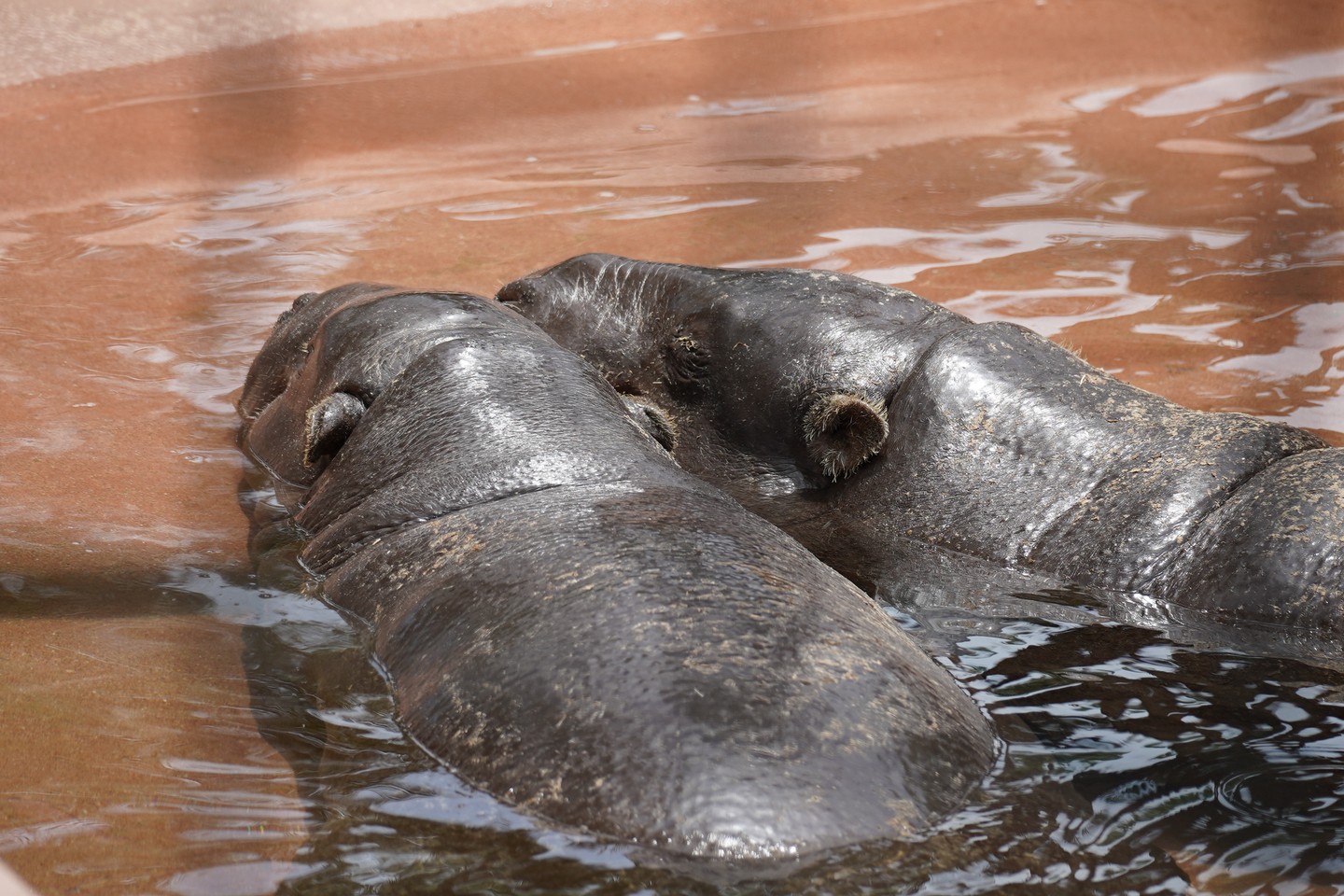
Pygmy hippos, scientifically known as Choeropsis liberiensis, are fascinating creatures that thrive in their natural habitats primarily found in West Africa. These animals exhibit behaviors that are crucial for their survival, particularly their preference for nocturnal activity. During the night, they forage for leafy vegetation, a diet essential for their health, but during the day, they seek refuge in water. This inclination leads us to two of the most well-known pygmy hippos, Zsa-Zsa and Ruka, who perfectly embody the species’ affinity for relaxation in water.
Pygmy hippos tend to inhabit swampy areas, rivers, and marshes, reflecting their need for a watery environment. Unlike their larger relatives, the common hippo, which stays predominantly submerged in water for most of the day, pygmy hippos prefer to spend their daytime hours in shallow waters where they can cool off and keep their skin hydrated. This is not a simple preference; it serves a vital purpose in protecting their skin against cracking and sunburn. Their skin lacks the protective, thick layer of fat that is found in common hippos, making it absolutely critical for pygmy hippos to maintain moisture through aquatic environments.
Water is essential for maintaining the moisture balance of their skin. Pygmy hippos boast a unique adaptation; their skin secretes a natural oily substance that helps to moisturize and protect it. However, this secretion can only go so far. Extended exposure to the sun without water can lead to severe skin damage. Zsa-Zsa and Ruka engage in a routine of resting and basking in shallow waters, allowing for a consistent level of hydration and comfort. This behavior keeps their skin healthy and is integral to their well-being.
The diet of pygmy hippos primarily consists of grasses, fruits, and leaves. They are herbivores with a penchant for browsing on the rich foliage that surrounds their habitats. Zsa-Zsa and Ruka, becoming accustomed to their environment, have shown preferences for various types of vegetation. Their diet shifts according to the availability of food sources, utilizing their sturdy jaws to crush and consume various plants. They typically eat at night, taking advantage of the cover of darkness.
In terms of conservation status, pygmy hippos are classified as vulnerable by the International Union for Conservation of Nature (IUCN). Their populations continue to decline due to habitat destruction, poaching, and human encroachment. The loss of wetland ecosystems has been particularly detrimental, as it directly affects their primary means of hydration and refuge. Zsa-Zsa and Ruka, much like their wild counterparts, face threats from environmental changes as their habitats are increasingly altered by agricultural expansion and pollution. Protecting the existing wetlands is essential for their survival.
Zoos play a pivotal role in the conservation of pygmy hippos, focusing on both education and breeding programs. By providing a controlled environment for Zsa-Zsa and Ruka, zoos can offer the duo the necessary conditions to thrive and contribute to increasing the genetic diversity of the species. Educational programs promote awareness about the ecological importance of pygmy hippos and emphasize conservation efforts aimed at protecting their natural habitats.
In zoos, pygmy hippos also engage in a variety of activities. The staff often implements enrichment programs that simulate their natural behaviors, including swimming and foraging. These programs enable Zsa-Zsa and Ruka to express their natural instincts, benefiting both their mental and physical health. Such environments replicate aspects of their native habitat, helping to cultivate an understanding of this delicate species among visitors.
The pygmy hippos’ distinctive traits and behaviors are crucial for understanding their ecological role. They help maintain the health of their environments by contributing to the dispersal of seeds through their waste, thereby playing a part in the growth of native plant species. Their presence can influence the dynamics of their ecosystems.
Additionally, pygmy hippos face a lack of awareness regarding their conservation needs. Many people are more familiar with larger species, such as elephants and lions, leaving pygmy hippos underappreciated. Raising awareness about the plight of Zsa-Zsa, Ruka, and their kin is an essential component of ongoing conservation efforts. Educating the public about their ecological contributions and the threats they face can create a community of advocates dedicated to ensuring their survival.
Overall, the interaction between pygmy hippos and their aquatic environments shapes their daily habits and health. As observed in Zsa-Zsa and Ruka, their fondness for water is not merely a leisurely activity. It’s a fundamental requirement that extends to all aspects of their lives. In habitats that provide ample water resources, pygmy hippos have the opportunity to thrive.
Zoos must continue to work in tandem with conservation organizations and local communities, guarding against the threats posed by habitat loss and poaching. Supporting legislation aimed at preserving wetlands and regulating hunting can further foster the survival of these remarkable animals.
Zsa-Zsa and Ruka’s journey as pygmy hippos exemplifies the delicate balance needed to protect not just their species, but the ecosystems they inhabit. Awareness and education empower individuals to take action, paving the way for meaningful change in how we perceive and protect wildlife.
The propagation of Zsa-Zsa and Ruka’s species hinges on the ability of zoos to cultivate an environment of care and conservation, directly impacting the future of pygmy hippos. Ultimately, their future depends on a collective effort that not only champions the significance of their species but also emphasizes the urgent need for habitat preservation. The more public interest and understanding grow, the more effective conservation strategies can be implemented.
Pygmy hippos like Zsa-Zsa and Ruka illustrate the beauty of wildlife while underlining the importance of protecting those less visible in the grand tapestry of life. Water is not simply a sanctuary for relaxation; it is a lifeline that must be preserved depending on us to ensure their comfortable existence. The challenge lies in raising awareness and ensuring ongoing efforts to protect these animals and their habitats, securing their legacy for generations to come.
*****
Source Description
Zsa-Zsa and Ruka love relaxing in the water! 🦛
Pygmy hippos are mostly nocturnal, spending their nights feeding on leafy plants. During the day, they spend their time in swamps and rivers to keep their skin wet. This helps protect them from cracking or getting sunburned!
