
- The significance of scale training for animals in zoos
- The role of positive reinforcement in animal training
- Building a trusting relationship between zookeepers and animals
- The impact of scale training on animal healthcare
- Case study: Charlotte the pig’s scale training day
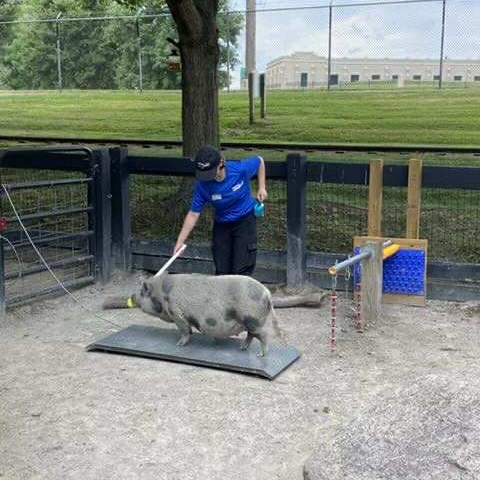
Scale training is a crucial aspect of animal care in zoos, playing a vital role in health monitoring and overall well-being. In this context, the scale training day for Charlotte, a pig under the care of Zookeeper Chloe, exemplifies how such initiatives contribute to the broader goals of animal husbandry and conservation. By training Charlotte to voluntarily step onto a scale, not only is her weight monitored, but a host of other benefits are made accessible.
Understanding the significance of scale training begins with recognizing its practical applications. Monitoring an animal’s weight is central to assessing its health. Weight fluctuations can indicate various issues ranging from dietary concerns to stress levels or illness. Routine monitoring allows zookeepers to observe trends over time and make necessary adjustments to care practices. Scale training facilitates this process by enabling animals like Charlotte to participate willingly. This cooperation minimizes stress for both the animal and the staff.
Positive reinforcement is the foundation of this training approach. The method entails rewarding desired behaviors with treats, praise, or other forms of encouragement. In Charlotte’s case, every time she steps onto the scale, Zookeeper Chloe may offer her favorite treat or verbal approval. This creates a direct connection between the action and the reward, encouraging Charlotte to repeat the behavior voluntarily. Over time, Charlotte becomes accustomed to the process, making future weigh-ins more manageable and less intimidating.
Building trust between zookeepers and animals is paramount in a zoo setting. Establishing a robust relationship hinges on consistency, reliability, and respect. For animals that may experience stress when encountering human interaction, such training techniques can have a profound impact. Through regular, positive interactions, Zookeeper Chloe reinforces a sense of safety in Charlotte. As Charlotte learns that getting on the scale leads to positive outcomes, her overall stress levels decrease. This trust extends beyond the scale. It creates a basis for more advanced training and complex healthcare procedures that may be required in the future.
Scale training is not solely beneficial for the immediate health monitoring of animals like Charlotte; it also plays an integral role in their healthcare becoming more comprehensive. When animals voluntarily participate in their own care, the burden on zookeepers is reduced. Health interventions can proceed with less anxiety for both parties, making check-ups smoother. Charlotte’s scale training ensures that the caretakers can track her progress effectively. If there are significant changes in her weight, zookeepers can promptly address potential health issues, leading to better overall healthcare.
Taking a closer look at Charlotte’s scale training day illuminates the practice’s practical implications. The process often begins well before the training session. Zookeeper Chloe likely spent time familiarizing Charlotte with the scale itself. This could involve placing the scale in her habitat without the expectation of immediate use, allowing her to investigate at her own pace. Zookeepers may also employ a variety of techniques to motivate Charlotte to approach the scale, including using positive verbal cues or her favorite food. This preparatory phase is crucial as it lays the groundwork for a successful training experience.
On training day, Chloe would carefully observe Charlotte’s responses. Training can sometimes be unpredictable, as animals may react in unforeseen ways. It is essential for zookeepers to remain attentive to subtle behavioral cues, such as hesitations or signs of discomfort. A skilled trainer will adapt tactics based on these observations, reinforcing a positive and pressure-free environment. For instance, if Charlotte seems hesitant to step onto the scale, Chloe might take a step back, allowing her more time to acclimate. This patience is vital in training, as forcing an animal can lead to negative associations that hinder future learning opportunities.
Furthermore, the choice of scale is important. It should be equipped to accommodate the specific needs of pigs like Charlotte. Ideally, the scale should have a non-slip surface and gentle incline to facilitate safe access. Zoos often utilize specialized scales designed to ensure comfort while providing the necessary accuracy for weight measurement.
Another critical aspect of scale training is the establishment of clear signals that indicate when it’s time for Charlotte to step onto the scale. Zookeepers often use visual or auditory cues to indicate the desired behavior. Over time, Charlotte will learn to associate these signals with the training process and resulting rewards. This creates a structured environment where expectations are clear.
Parents and educators can benefit from understanding these training approaches, as they often apply to human interactions as well. Positive reinforcement is a powerful tool in teaching children and can foster collaborative relationships. The underlying principle remains the same: Create an atmosphere of encouragement, and the building of trust follows.
Scale training day not only garners insights into animal behavior but it also emphasizes the role of modern zoos in wildlife conservation. Many species are threatened or endangered in the wild due to habitat loss, poaching, and climate change. Zoos provide a controlled environment to perform critical research and increase the understanding of various species. Training practices, like those used with Charlotte, contribute to the larger goal of species preservation and education. The way animals are cared for in zoos can influence conservation efforts across the globe.
Research indicates that animals accustomed to human interaction, such as Charlotte, are often more successful in breeding programs and can adapt better to rehabilitation efforts for reintroduction into the wild, if that path is viable. A well-structured training regimen directly aids these processes, showcasing how the scope of animal care extends beyond the immediate confines of the zoo.
Moreover, zookeeper training programs emphasize effective animal care, including animal behavior understanding. Zookeepers equipped with knowledge about the species they care for can implement innovative training regimens that focus on individual animal needs. Charlotte’s scale training serves as a microcosm of the dedication many zoos exhibit in embracing progressive animal welfare methods. By prioritizing tools that reduce stress and enhance healthcare, the animal care staff demonstrate a commitment that reflects greater ethical standards in zoological practices.
In summary, scale training day for Charlotte is a noteworthy example of how positive reinforcement can dramatically impact animal welfare in zoos. It emphasizes the joint goals of health monitoring and fostering trust between animals and their caretakers. The training reinforces not only Charlotte’s participation in her own healthcare but also illustrates the profound impact training practices can have on species conservation efforts.
The nutritional and physical health of animals can be monitored conveniently through strategies like scale training, which is essential for responsive care. Zookeeper Chloe’s efforts showcase the dedication of zookeepers to provide individualized care that respects the complexities of animal behavior and needs. The educational aspects of this training can extend into how not just zoos, but also broader communities can support wildlife conservation through responsible education and humane animal care practices.
*****
Source Description
🐷 Scale training day for Charlotte!! Pictured here is Zookeeper Chloe hard at work training Charlotte to learn how to get onto a scale!
This type of positive reinforcement training helps Charlotte become familiar with getting on a scale voluntarily, and increases trust between her and the animal care staff. This way Charlotte can participate in her healthcare with as little stress as possible!
📸: Keeper Brook
