
- Claudia’s background and significance in the conservation community
- The importance of the Species Survival Plan in zoological management
- Insights into Claudia’s characteristics and behaviors
- The role of Andean condors in their ecosystem
- What the public can do to support wildlife conservation
Claudia, also known as Callista, represents a significant part of the zoological community, particularly within the context of the Species Survival Plan (SSP). This initiative aims to sustain and bolster populations of endangered species in captive settings. Claudia, now making her way to the Nashville Zoo later this year, will be paired with a male Andean condor as recommended by the SSP. Her genetics are invaluable for breeding programs among accredited zoos.
Hatched in 1985, Claudia brings a wealth of experience and charm that endears her to both staff and visitors. She arrived at her current location in 2016 from the Turtle Back Zoo in New Jersey. Her outdoor habitat, Puente al Sur, offers her ample space to exhibit her natural behaviors, and her presence has significantly enhanced guest experiences. Witnessing her expansive wingspan basking in the sun is a memorable sight for many.
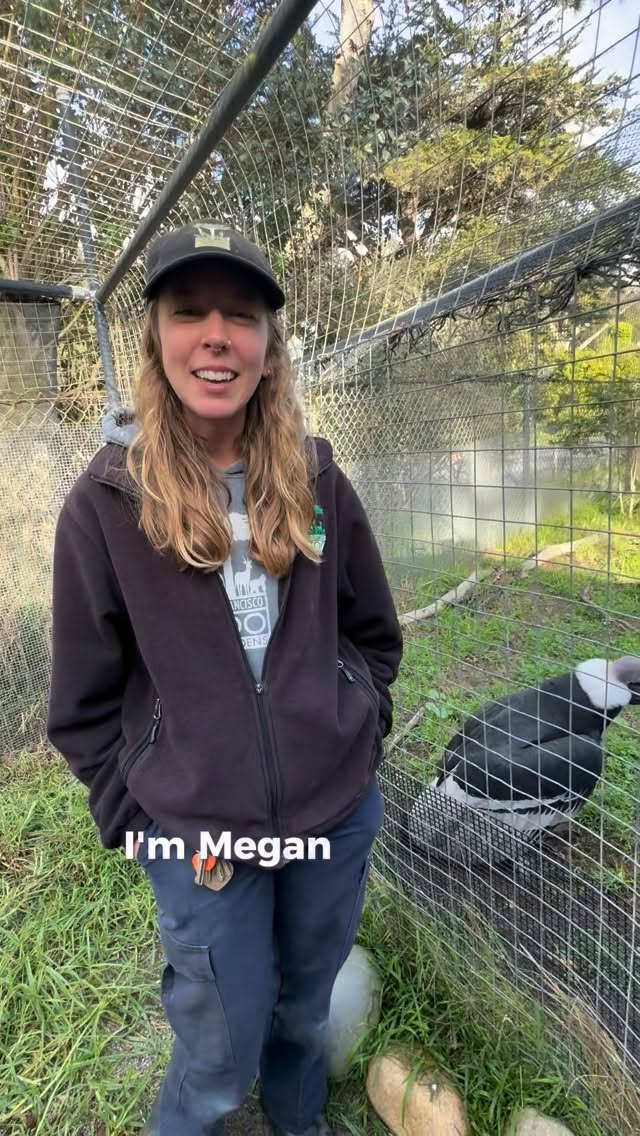
Claudia’s routine and preferences reveal much about her personality. Her primary caretaker, Megan, notes that Claudia engages in various enriching activities. Playing with sticks and tearing apart paper showcases her intelligence and dexterity. The joy she derives from rubbing her face in freshly raked dirt highlights the importance of environmental enrichment in her enclosure. Seasonal items, like Christmas trees, add an extra dimension to her habitat, demonstrating that zoos use a variety of methods to keep animals active and engaged.
Claudia’s diet consists mainly of ground-up meat and rat hearts, which mirrors her natural consumption patterns in the wild. This focus on dietary adequacy is crucial for captive animals’ well-being, ensuring they maintain their health and vitality. Being aware of a variety of animal preferences helps caretakers form strong bonds, enriching the animals’ lives and improving overall animal welfare.
The Species Survival Plan plays a critical role in the conservation of endangered species. Developed by the Association of Zoos and Aquariums (AZA), the SSP is a strategic approach designed to maximize genetic diversity in breeding programs. For condors like Claudia, this is vital because threats to their survival in the wild—such as habitat destruction, lead poisoning, and climate change—are real concerns. The SSP not only reflects the commitment to safeguarding Claudia’s future but also emphasizes the importance of collaborative efforts among accredited zoos.
The Andean condor, Claudia’s counterpart, is a significant species in its ecosystem. These birds perform the vital task of scavenging, helping to keep the environment clean by consuming carrion. Their presence impacts nutrient cycling and supports the overall health of their ecological community. The conservation of Andean condors is particularly important due to their reduced population sizes and declining habitats. Conservationists know that breeding programs like the one involving Claudia are crucial for maintaining healthy populations that can eventually be reintroduced into their natural habitats.
Pairing Claudia with a male Andean condor presents an opportunity for them to exhibit natural courtship behaviors. Breeding in zoos is meticulously monitored to ensure genetic diversity, while simultaneously allowing individuals like Claudia to engage in social interactions with their species. Each pairing is approached strategically to maximize the chance of producing healthy offspring that can contribute to the species’ survival.
As Claudia prepares for her move, the public has the chance to say farewell and celebrate her contributions. Awareness of her departure serves as an opportunity to educate the community about the challenges faced by Andean condors and the importance of wildlife conservation. Educators and zookeepers can provide informative sessions that highlight Claudia’s journey and her role in the Species Survival Plan. These engagements promote understanding and encourage community involvement in conservation efforts.
Public support is invaluable in wildlife conservation. Animal lovers can assist through advocacy, education, and participating in local conservation initiatives. Familiarizing themselves with the threats faced by species like the Andean condor is critical to fostering a culture of stewardship. Visits to zoos or wildlife sanctuaries are excellent ways for individuals to engage with conservation efforts directly. Many institutions offer programs that support habitat preservation and species recovery.
Moreover, efforts to reduce environmental impact—such as reducing plastic waste or supporting eco-friendly products—play significant roles in broader conservation strategies. By making informed choices, individuals can contribute to the well-being of ecosystems both locally and globally.
Claudia, the beloved Andean condor, exemplifies the many facets of wildlife conservation. Her upcoming relocation to the Nashville Zoo symbolizes the vital partnerships that exist among zoological institutions dedicated to species survival. Through education, informed public participation, and collaborative efforts, we can ensure future generations will enjoy observing Andean condors in their natural habitats. The essential work in breeding programs paves the way for renewed populations in the wild, demonstrating how we can impact conservation positively. Understanding Claudia’s journey is just one piece of a broader picture dedicated to preserving Earth’s biodiversity. Her story will continue to inspire change, and her new role is an exciting development for all those involved in wildlife conservation.
*****
Source Description
“Claudia,” (also known as “Callista”) will be moving to the @nashvillezoo later this year to pair with their male Andean condor as part of a Species Survival Plan recommendation as her genetics are valuable within accredited zoos.
Hatched in 1985, Claudia came to the Zoo in 2016 from the Turtle Back Zoo in New Jersey and is a favorite among staff and guests who visit her at her outdoor habitat at Puente al Sur. On sunny days, you could often see her basking in the sun with her enormous wingspan spread wide or staying close to the perimeter of her yard when her favorite people are nearby.
According to Megan, her primary caretaker, among her favorite things are playing with sticks, tearing apart paper, rubbing her face all over on a nice patch of freshly raked dirt, and Christmas trees. Her favorite foods are ground up meat and rat hearts. While a date has not been announced, we hope you will stop by to see her in the coming weeks to say farewell.
