
- The significance of witch-hazel in late fall ecosystems
- Medicinal properties of witch-hazel and its historical uses
- The role of witch-hazel in wildlife conservation
- Characteristics and growth habits of witch-hazel plants
- How to identify and cultivate witch-hazel in gardens
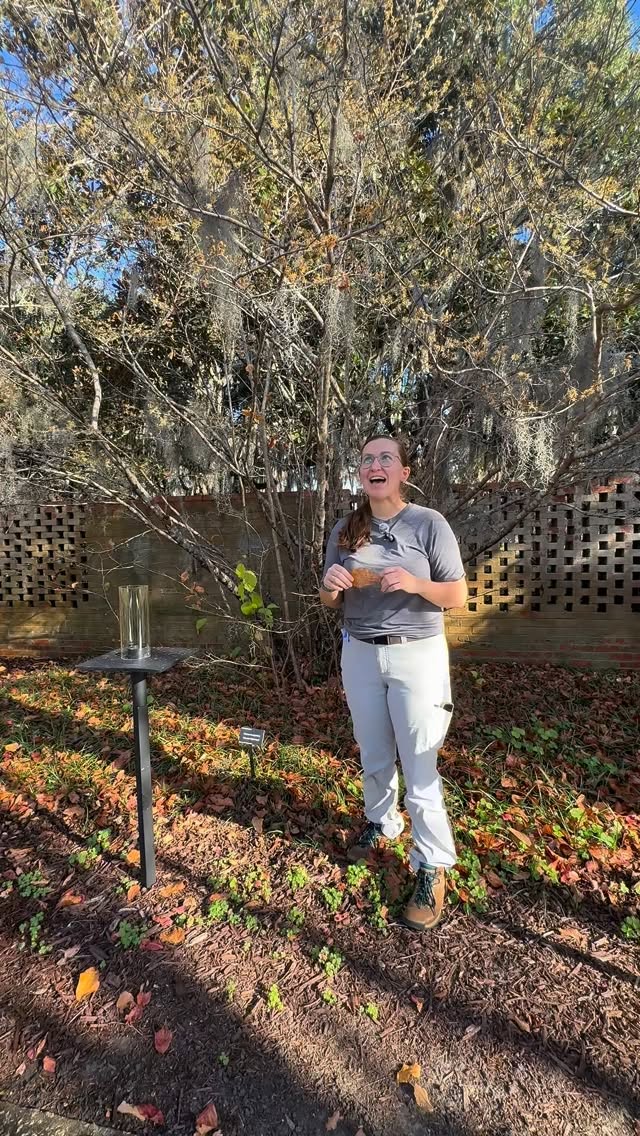
Witch-hazel, a shrub native to North America, has begun to display its unusual blooms in the Poetry Garden. This plant stands out for not just its aesthetic appeal but also its crucial ecological role. Its flowers bloom in the late fall, making it one of the last sources of nectar for local pollinators, contributing significantly to both plant and animal life cycles as the year draws to a close.
Witch-hazel’s flowering period occurs when most other plants are dormant. This late flowering makes it an invaluable resource for various wildlife species, particularly insects that thrive during the autumn months. Honeybees and other pollinators are often seen collecting nectar from witch-hazel blooms, promoting biodiversity. This phenomenon is not just an individual plant’s contribution; it represents a larger environmental framework that supports various species’ survival.
Beyond its ecological role, witch-hazel has a rich history of medicinal usage. The plant’s leaves and bark have long been used in traditional medicine for their anti-inflammatory properties. Native Americans used witch-hazel extract for treating minor injuries, skin irritations, and various ailments. This historical context reinforces a deeper understanding of its medicinal value and promotes respect for its contributions to human health. Present-day witch-hazel preparations, such as creams and ointments for skin care, often utilize distillates from its bark and leaves. These products underline the plant’s ongoing significance in herbal medicine and natural health care.
Witch-hazel presents a fascinating study in adaptation. This multi-stemmed shrub can thrive in various soil types, although it prefers moist, well-drained locations. It typically grows between 10 to 15 feet tall and can be found in woodlands and along riverbanks. Its broad, oval leaves turn vibrant shades of yellow in the fall, adding to the seasonal tapestry of colors. When the flowers bloom, the intricate yellow petals capture attention. They are not just visually appealing; their open structure is specifically designed to attract insects. The elongated petals reflect light in unique ways that entices bees and other pollinators.
Recognizing the importance of witch-hazel in the wild helps foster a sense of appreciation for its role in conservation. Its ability to bloom late in the season supports not just pollinators, but also small mammals. As winter approaches, many species begin to store food for colder months. The seeds of witch-hazel become vital energy sources for birds and small rodents. This ecological interaction reinforces the interconnectedness of different life forms and how they can rely on one another for survival.
Caring for witch-hazel in garden settings offers not only aesthetic pleasure but also ecological benefits. Selecting a suitable location is crucial. Witch-hazel thrives in partial shade and prefers slightly acidic soil. Ensuring adequate moisture will promote healthy growth. Watering frequently, especially during dry spells, can augment the plant’s resilience. Regular pruning after flowering helps manage its size and encourages denser blooming in subsequent seasons.
Identifying witch-hazel can be straightforward if one knows what to look for. The plant exhibits distinctive growth habits, including its crooked stems and unique, wavy-edged leaves. The blossoms usually appear in clusters, and the twisted nature of the petals contributes to its charm. Not only does witch-hazel bloom in unexpected brilliance during a dreary season, but it also captures the eye with its exotic-looking flowers that add a burst of color to gardens.
Beyond cultivation and identification, integrating witch-hazel into community gardens or conservation projects would be wise. Its presence can not only beautify a space but also serve important ecological functions. By promoting native plant species like witch-hazel, communities contribute to the preservation of local ecosystems. Establishing native plant gardens enhances habitat restoration efforts and supports wildlife populations, particularly in urban areas where habitats are increasingly fragmented.
The education surrounding witch-hazel’s role in ecosystems enhances public appreciation for native flora. Educational programs and workshops focusing on its historical and ecological significance can enrich community knowledge. This engagement promotes responsible gardening practices that benefit both human and wildlife populations. Demonstrating how simple changes, like planting more native species, can profoundly impact the local environment is vital in the ongoing fight for conservation.
Materials derived from witch-hazel have found their way into households due to their calming and healing properties. It’s not uncommon to find witch-hazel extract in first-aid kits and skincare routines. Its astringent quality assists in reducing swelling and irritation, which explains why it continues to be favored in natural home remedies. The familiarity of retail ointments containing witch-hazel fosters an understanding of how traditional practices can be innovatively woven into modern health care solutions.
Witch-hazel’s continued relevance unites folklore and practical application, showcasing how interconnected humans are with nature. Every garden that showcases this shrub serves as a reminder of the wisdom embedded in local flora. Thus, engaging with witch-hazel in both educational and practical contexts enriches our environment. The appreciation for its contribution towards sustainability builds a sense of responsibility towards preserving native species that play roles in wider biodiversity.
Seeing witch-hazel bloom in unexpected seasons, particularly late fall, provides an opportunity to reflect on cycles of life and interconnectedness inherent in our ecosystems. When observing this shrub, one can see how nature provides for a variety of species even as many others begin to retreat. It is a symbol of resilience in a time when many plants become dormant. This attribute serves to remind us of the integral part plants play in maintaining ecological balance.
By understanding the full spectrum of witch-hazel’s significance, we can foster a deeper admiration for native species. The medicinal properties speak to healing, while the wildlife support enhances community biodiversity. For those keen on enhancing their gardens sustainably, witch-hazel provides an excellent example of how strategic planting can offer late-season benefits for pollinators and wildlife.
Explore the Poetry Garden this fall and witness witch-hazel in full bloom. The sight encourages an appreciation for the lesser-known aspects of plant life and offers insight into how interconnected and vital these species are to our environment. Through education, cultivation, and conservation, we can honor the legacy of witch-hazel and ensure its place in our gardens and ecosystems for generations to come.
*****
Source Description
Not your average fall bloom…
Witch-hazel is flowering now in the Poetry Garden! Loved for its healing properties, this native shrub also provides late-season nourishment for wildlife.
Look for it on your next visit!
