
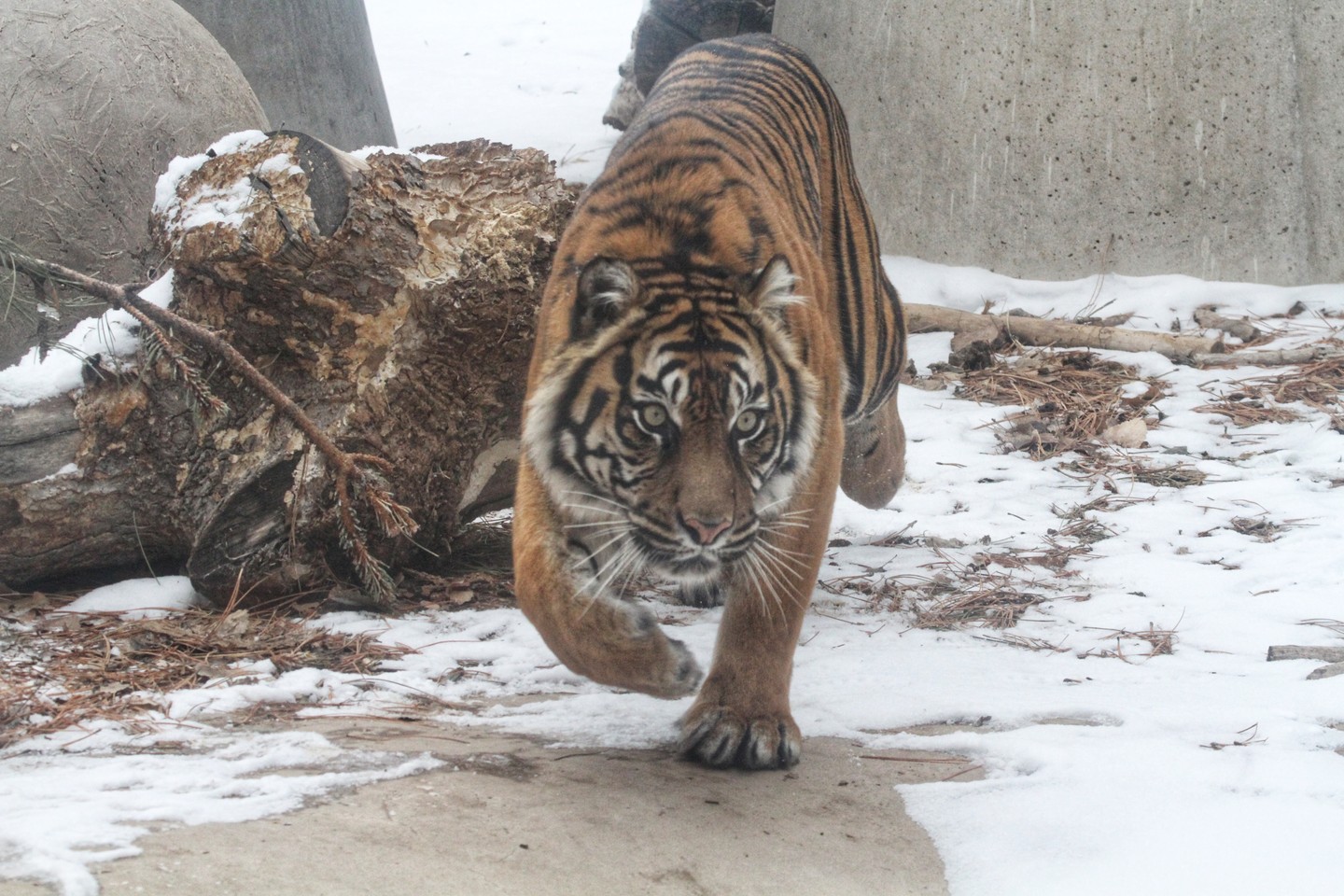
- The impact of extreme cold weather on zoos and animal welfare
- The protocols for zoo closures during inclement weather
- The importance of maintaining animal welfare during colder months
- The role of zoos in wildlife conservation and education
- Community response and awareness during closures
Extreme cold weather poses significant challenges to zoos and aquariums, impacting both animal welfare and visitor safety. The recent decision by DZCA to remain closed on January 24 due to extreme temperatures demonstrates a proactive approach to protecting both the animals and guests. Understanding the effects of severe cold and the procedures zoos implement during such events is crucial for the welfare of all involved.
Extreme cold can have dire consequences for many species. Animals that are not adapted to freezing conditions face health risks such as hypothermia and frostbite. Cold weather can alter behavioral patterns, disrupt feeding routines, and impact habitats. For instance, species such as reptiles and amphibians enter a state of brumation or slowed metabolic processes when temperatures drop significantly. This means zoos must be prepared to handle shifts in animal behavior and physiological needs during cold snaps.
To safeguard animal health, zoos have developed stringent protocols for closure due to adverse weather. These protocols prioritize the well-being of animals and staff. When closures are announced, animals are kept sheltered in environments that provide warmth and security. Many zoos have indoor habitats where animals can retreat, ensuring they remain comfortable and healthy. Meanwhile, staff members may still be required to work to care for the animals, ensuring that feeding schedules and enrichment activities continue as normal. These measures prevent disruptions in their routines while also safeguarding their health.
The emphasis on animal welfare during colder months cannot be overstated. Cold temperatures may necessitate modifications in care, including adjustments to feeding regimens and heating of habitats. Staff interventions may involve more frequent checks on animals to monitor their health and behavior. Specific species may require particular attention; for example, herbivores may need additional forage to generate warmth, while carnivores may require higher food quantities during colder weather due to increased caloric needs. The holistic care of animals during such times reflects a deep understanding of their biology and behavior.
In addition to the immediate welfare of animals, the role of zoos extends to wildlife conservation and education. Zoos are often involved in various conservation efforts aimed at protecting species facing habitat loss and extinction threats. When cold weather forces a closure, it can raise community awareness about the challenges faced in wildlife conservation. Zoos often provide educational resources, informing visitors about how climate change and extreme weather patterns can impact wildlife. These programs foster a culture of conservation, urging the community to participate in protecting natural habitats.
During closures, community response is vital. Visitors often express their understanding and support when faced with such decisions. This empathy can translate into increased awareness about animal welfare and the importance of conservation efforts. The dialogue that arises from these situations highlights the connection between the public and the zoo, reinforcing the idea that conservation work is a communal effort that requires broader participation.
As DZCA and other similar institutions navigate the challenges posed by extreme cold weather, their responsive actions emphasize the commitment to animal care and public safety. These practices illustrate the extensive measures required in zoo management, where decisions are based on scientific understanding and a deep appreciation for wildlife. It informs society about the broader implications of environmental fluctuations.
In summary, the decision to close the zoo due to extreme cold is not necessarily a straightforward one; it involves various considerations that prioritize animal welfare, conservation efforts, and community education. Each aspect is intertwined, highlighting the complex relationship between human concerns and the needs of wildlife. Through these adaptations, zoos continue to reinforce their mission to protect and educate about the animal kingdom, ensuring that every action taken fosters greater understanding and commitment to wildlife conservation.
*****
Source Description
Closure Update!
Due to the extreme cold weather, DZCA will remain closed to the public tomorrow, January 24. Thank you for your patience and understanding as we ensure a safe and enjoyable experience for our animals, staff and guests.
