
- Animals have evolved various adaptations to cope with heat.
- Zookeepers implement specific cooling strategies to support animal welfare.
- Key examples illustrate how different species manage temperature extremes.
- The importance of habitat management in zoos during hot weather.
- The role of public education in sparking interest in animal conservation efforts.
As temperatures soar and humidity rises, people often retreat to air-conditioned spaces or cool off in swimming pools. However, many animals experience unique challenges in managing heat. These challenges highlight the various adaptations that species have developed to cope with high temperatures. Understanding how animals manage heat can enlighten our approach to conservation and animal care.
Animals in the wild have evolved remarkable adaptations to help them combat heat stress. For instance, red river hogs wallow in mud, using it as a cooling mechanism while also protecting their skin from sunburn and parasites. This unique behavior not only helps them manage their body temperature but also serves a multifaceted role in their health.
Kangaroos utilize another fascinating method: they lick their forearms. This action allows saliva to evaporate, providing a cooling effect on their blood. Kangaroos have a specialized circulatory system that enables them to effectively manage heat, but they are still vulnerable during particularly extreme weather conditions.
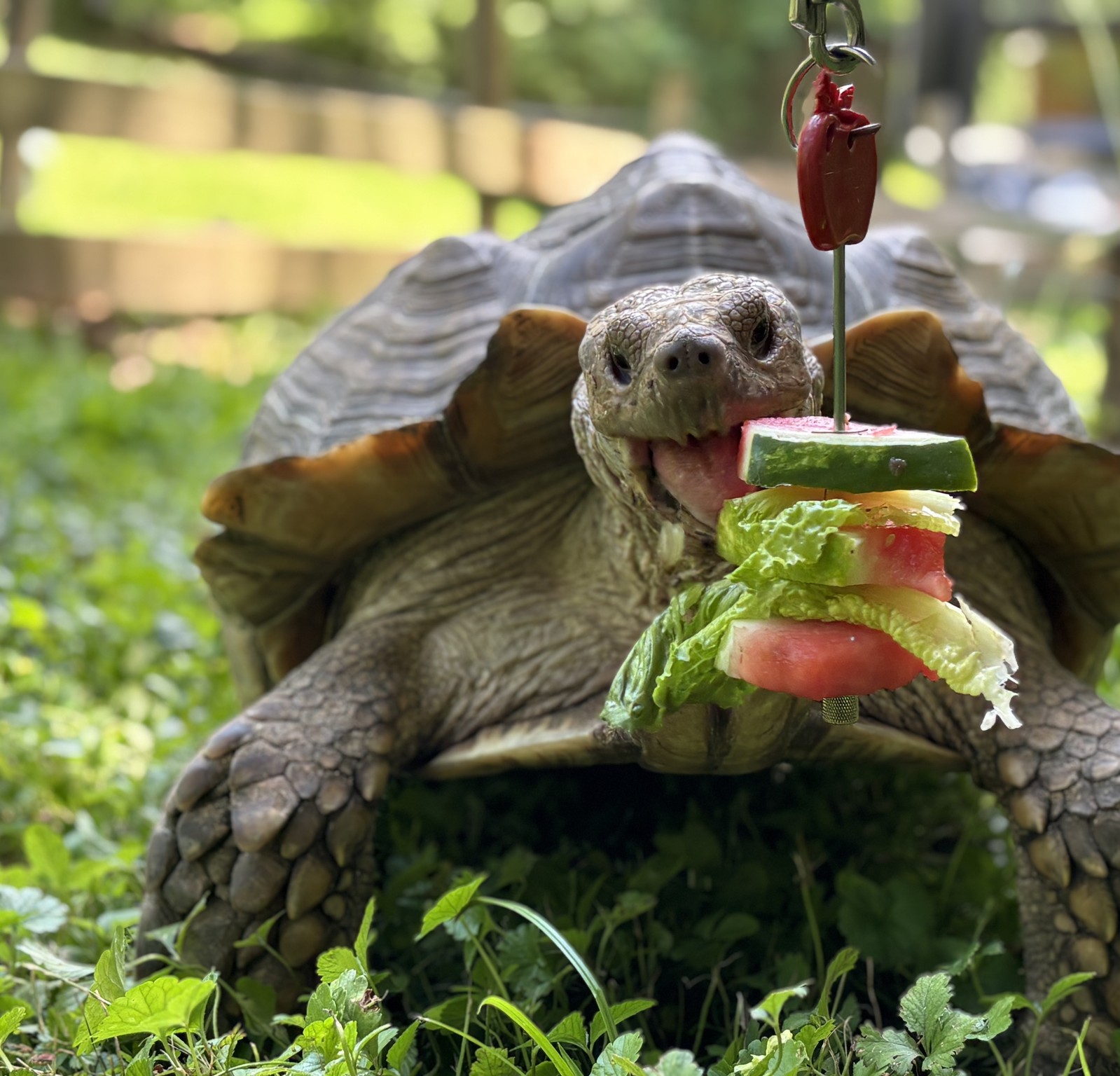
Sulcata tortoises exhibit remarkable behavior by burrowing up to ten feet underground. This ability allows them to escape the harsh sun while maintaining a more stable and comfortable temperature. Underground burrows provide a microenvironment that protects them from the scorching heat of desert climates.
Nevertheless, animals that thrive in naturally warm climates still require assistance during extreme weather events. This is where zookeepers play a critical role in animal welfare. They implement various strategies to help creatures stay cool and comfortable. For example, providing cooling enrichments—like blood popsicles for carnivores, tubs of ice for bobcats, and slices of juicy watermelon for sulcata tortoises—significantly contributes to the animals’ wellbeing.
The use of sprinklers and hoses is another effective approach zookeepers utilize. Species such as elephants and big cats find relief from heat through water spray, which cools their skin and invigorates them mentally. Providing pools or shallow water areas allows animals to engage in natural behaviors like swimming, which also helps to lower their body temperature. This also promotes physical activity and social interaction among species.
During particularly hot spells, it is critical that outdoor animals have access to behind-the-scenes areas. These spaces are often equipped with fans or air conditioning, creating a safe haven when temperatures become intolerable. This proactive approach by zookeepers prevents heat-related stress and ensures animals do not suffer adverse health effects during heat waves.
An understanding of animal physiology offers insights into how temperature affects different species. Animals have varied cooling mechanisms based on their environment and evolutionary adaptations. For example, some mammals, like camels, possess the ability to tolerate elevated body temperatures, allowing them to survive with limited water intake. Understanding these physiological adaptations helps inform care strategies in zoos and wildlife facilities.
The concept of habitat management is also crucial in safeguarding animal health during hot weather. Zoos are often designed with multiple environments, including shaded areas and water features. These designs can mimic an animal’s natural habitat, enhancing their comfort during extreme temperatures. The strategic placement of landscaping, shading, and water features creates an optimal environment for animal well-being.
Public education plays a vital role in raising awareness about the challenges animals face in extreme heat. By informing visitors about these issues, zoos foster a greater understanding of wildlife conservation. When individuals learn about the adaptations animals have developed and the strategies zookeepers implement, they become more engaged in conservation efforts.
Additionally, sharing information about climate change and its impact on natural habitats is essential. Knowing how rising temperatures may affect wildlife encourages communities to advocate for environmental protection. Education surrounding responsible practices, such as reducing energy consumption and protecting natural habitats, can also inspire individuals to contribute to broader conservation efforts.
Animal care during hot weather is not just about immediate relief; it is about long-term health and welfare. Proactive strategies, such as specialized diets and enriched environments, can mitigate the impacts of heat. For instance, a diet rich in moisture can benefit animals during the hottest months by helping them stay hydrated.
Zoos serve as crucial hubs for research and conservation. Each animal presents a unique opportunity to study adaptations and responses to climate conditions. Collaboration with scientists can lead to improved methods of animal care, ensuring they remain healthy and thrive in controlled settings.
Volunteer programs and internships at zoos also provide opportunities for individuals interested in animal welfare and conservation. These programs allow participants to gain hands-on experience with animal care, reinforcing the relationship between education and practice. Through dedicated involvement, volunteers can make a meaningful impact and serve as advocates for animals and their habitats.
Moreover, zookeepers often engage in continuing education to stay updated on best practices in animal care and management. This commitment to learning enhances their ability to respond to evolving challenges posed by heat and climate change. By remaining informed about the latest research and methodologies, zookeepers are well-equipped to care for the diverse species in their charge.
The role of technology cannot be overlooked when it comes to animal welfare. Advanced monitoring systems for temperature and humidity can help zookeepers create a more comfortable environment. These technologies allow for timely responses, ensuring that animals receive adequate support as conditions change throughout the day.
Additionally, many zoos and aquariums collaborate with conservation organizations focused on wild animal protection. By contributing data and insights, zoos help to advance conservation initiatives that address climate change and habitat preservation. This synergy between research, animal care, and nature conservation is pivotal in safeguarding wildlife and promoting ecosystem health.
As rising temperatures and humidity create challenges for both people and wildlife, increased awareness and action are essential. Understanding how animals cool off, and the role of zookeepers in this process, emphasizes the importance of responsible stewardship. By keeping animals cool during summer heat, we not only contribute to their health but also bolster global conservation efforts.
This commitment to animal welfare serves to educate and inspire the public about the urgent need for wildlife conservation. Engaging communities through various initiatives fosters a culture of empathy and responsibility toward the environment, a crucial aspect of caring for our planet’s biodiversity.
Through all these efforts, we are reminded that animals, just like humans, require special attention and care during extreme weather events. The adaptations animals have developed to manage heat tell a story of resilience and evolution, while the strategies employed by zookeepers showcase our dedication to protecting the incredible diversity of life on Earth. By fostering awareness and taking action, we can all play a part in the ongoing story of wildlife conservation and the well-being of animals in our care.
*****
Source Description
When temperatures soar and the humidity rises, most of us cool off with a dip in the pool or retreat to the air conditioning. But have you ever wondered how animals stay cool in the heat?🥵
Many animals have built-in ways to beat the heat. Red river hogs wallow in mud, kangaroos lick their forearms to cool their blood, and sulcata tortoises escape the desert sun by burrowing up to 10 feet underground. But when it’s as hot as it is now, even animals adapted to warm climates need a little extra help.
That’s where our keepers come in! To help our animals stay comfortable, we provide a variety of cooling enrichments, like blood popsicles for carnivores, tubs of ice for bobcats, and juicy watermelon for sulcata tortoises. We also use sprinklers, hoses, and pools for many species. And when that’s not enough, outdoor animals can retreat to their behind-the-scenes spaces, which are equipped with fans or air conditioning.😆
Keeping animals cool and comfortable is just another way we care for their health and well-being.😃
📸:Keeper Morgan, Emily, and Nektarios
