
- Importance of the gentoo penguin in conservation efforts
- Life cycle and development of gentoo penguins
- The role of foster-rearing in wildlife care
- Introduction process for zoo exhibits
- The significance of public engagement in wildlife conservation
The gentoo penguin, recognized by its bright orange beak and distinctive white stripe running across its heads, holds a special place in global conservation initiatives. Initiatives aimed at safeguarding these marine birds have become increasingly critical due to climate change and habitat loss. The birth of the gentoo penguin chick on June 13 symbolizes hope and reinforces the necessity of conservation efforts. This article explores various aspects of the gentoo penguin’s life and habitat while also shedding light on the impact that a single chick can have on public and scientific engagement.
The gentoo penguin, classified scientifically as Pygoscelis papua, is the third-largest species of penguin. Its populations are primarily located in the sub-Antarctic islands and the Antarctic Peninsula. Over the years, conservationists have engaged in ongoing monitoring and research of gentoo populations. This penguin is particularly vulnerable to environmental change that can affect its food sources. Factors such as rising ocean temperatures and decreasing ice coverage disrupt the availability of krill, which constitutes a primary food source. Consequently, understanding and protecting the gentoo penguin’s habitat is vital.
The life cycle of the gentoo penguin provides insight into its development and adaptation. Gentoo penguins typically mate in early spring, laying two eggs around October. These eggs hatch after about 34 to 36 days. Initially, the chicks are covered in downy feathers and require the utmost care from their parents, who take turns foraging for food and keeping their young warm. At six to eight weeks, the chicks begin to lose their down and develop their adult feathers, a process known as molting. By the time they are around four months old, they are prepared for their first swim and capable of fending for themselves.
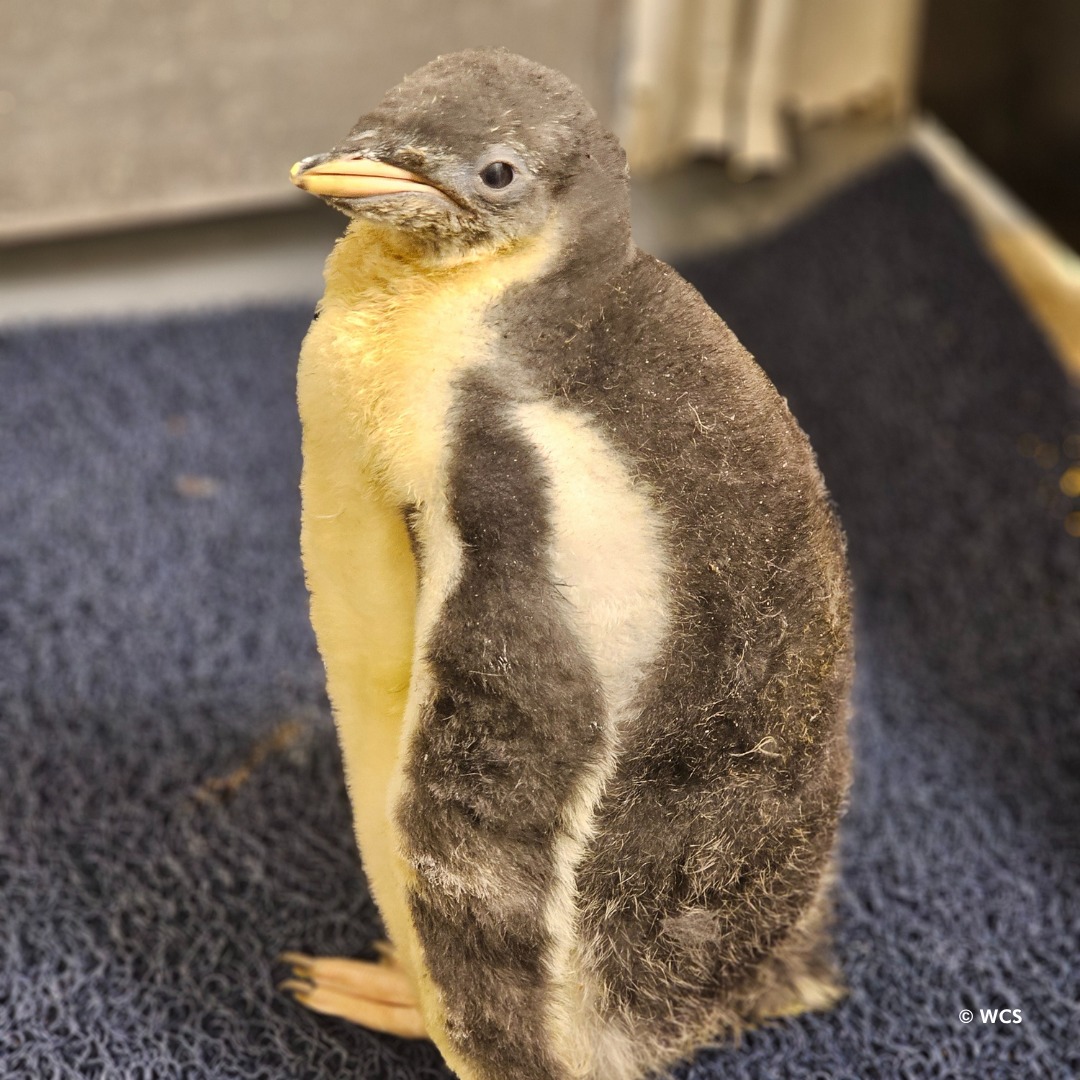
Foster-rearing, the practice of having experienced penguin pairs rear chicks that are not their own, plays a pivotal role in wildlife care and rehabilitation. In this case, the gentoo penguin chick was foster-reared by a loving gentoo pair after its birth. The couple provided necessary warmth, feeding, and protection. This approach is increasingly utilized in modern wildlife management, especially for species facing population pressures. Rearing chicks in a stable environment increases their chance of survival in the wild.
At around three to four months old, the gentoo penguin chick will be introduced to its exhibit. Prior to this, it undergoes a critical period of growth and development. Early interactions with water are facilitated as they learn to swim and hunt efficiently. By the time the chick is fully molted into adult feathers, it will have adapted to swimming and navigating the exhibit, making the transition to public display smoother. This introduction serves dual purposes: it enriches the lives of the penguins and informs the visiting public.
The significance of public engagement in wildlife conservation cannot be underestimated. Zoos and aquariums serve as crucial platforms for educating visitors about the plight of species like the gentoo penguin. Through exhibitions, educational programs, and experiences, the public can connect with wildlife on a personal level. The experience of observing the gentoo penguin chick growing and thriving fosters a sense of stewardship for the natural world. This connection encourages individuals to support conservation efforts, whether through donations, volunteer work, or advocating for environmental policies.
The overall health of the gentoo penguin chick is a positive sign for the species. Weighing about five pounds, the chick is thriving in a controlled environment that promotes its development. Regular health checks and a balanced diet ensure it receives the nutrients necessary for growth. As part of responsible management, animal care staff monitor feeding behaviors and health indicators, allowing for immediate intervention if needed.
The penguin’s diet mainly comprises krill, fish, and squid. Adult gentoo penguins consume approximately two to three kilograms of food daily. That dietary requirement translates into a well-maintained feeding regimen for both chicks and adults in a zoo setting. Fish and krill are often supplemented by various vitamins to promote optimal health, especially for growing chicks.
Additionally, the fragility of the gentoo penguin’s ecosystem emphasizes the importance of conservation initiatives. Breeding programs in zoos not only aim to maintain existing populations but also work towards reintroduction efforts in the wild. As climate conditions shift, these efforts will be crucial for the long-term sustainability of gentoo populations. Training equipped veterinarian teams ensures that they can provide both medical and behavioral care, which is vital for successfully rearing penguins in captivity.
As the chick matures, it will become an essential ambassador for its species. Ambassadors of this kind can play a key role in wildlife projects, raising awareness about the challenges faced by penguins in their natural habitats. Educational outreach through schools, community events, and digital platforms can amplify this ambassador’s impact.
Social media also plays a significant role in conservation efforts. Photographs and videos of the gentoo penguin chick will encourage followers to take interest in its growth and future. Engaging storylines can captivate a diverse audience, spreading awareness beyond geographic boundaries. This kind of digital activism culminates in a collective effort to safeguard not just penguins but other vulnerable species as well.
Zoos contribute to research on gentoo penguins, studying their behaviors, genetics, and health. Such data not only helps with population management but also enhances general understanding of avian biology and ecosystems. Every chick born in captivity aids in painting a clearer picture of species requirements, which can assist in wildlife rehabilitation projects globally.
Public interest in gentoo penguins and their conservation is amplified during significant milestones, such as the birth of a chick. These moments create opportunities for deeper discussions about biodiversity and environmental sustainability. Engaging presentations, talks, and workshops can inspire visitors of all ages to take action.
Support from the community plays an instrumental role in the success of conservation programs. Organizations often rely on funding from the public and private sectors to support their missions. Active participation in local conservation projects can foster a sense of ownership and commitment to wildlife care. Collaborative efforts can yield effective results, allowing penguin colonies to flourish both in zoos and their natural habitats.
The gentoo penguin chick, born on June 13, represents hope and resilience in the face of environmental challenges. As it matures, its role extends beyond the walls of the zoo, inspiring individuals to consider the impact of their choices on the natural world. By understanding the life cycle, the nurturing provided by foster pairs, and the importance of public engagement, we can all play a part in the conservation efforts needed to maintain healthy populations of gentoo penguins.
People who visit zoos and aquariums play a vital role in the conservation conversation by providing financial support and advocating for sustainable practices. Schools and educational settings can enhance learning through field trips and interactive programs designed to introduce students to wildlife conservation principles.
The future of the gentoo penguin and other at-risk species depends on collective awareness and action. As we cheer on the growth of our gentoo penguin chick, we must also recognize the broader environmental ramifications of our choices. Every commitment to sustainable practices, conservation initiatives, and education contributes to the health of our planet and the species that inhabit it.
*****
Source Description
Say hello to our gentoo penguin chick! Born June 13, the youngster was foster-reared by a gentoo penguin pair and currently weighs about five pounds and is very healthy! The chick will be introduced to the exhibit when it’s about 3-4 months old, after it has finished molting into its adult feathers and can swim and navigate the exhibit.
