
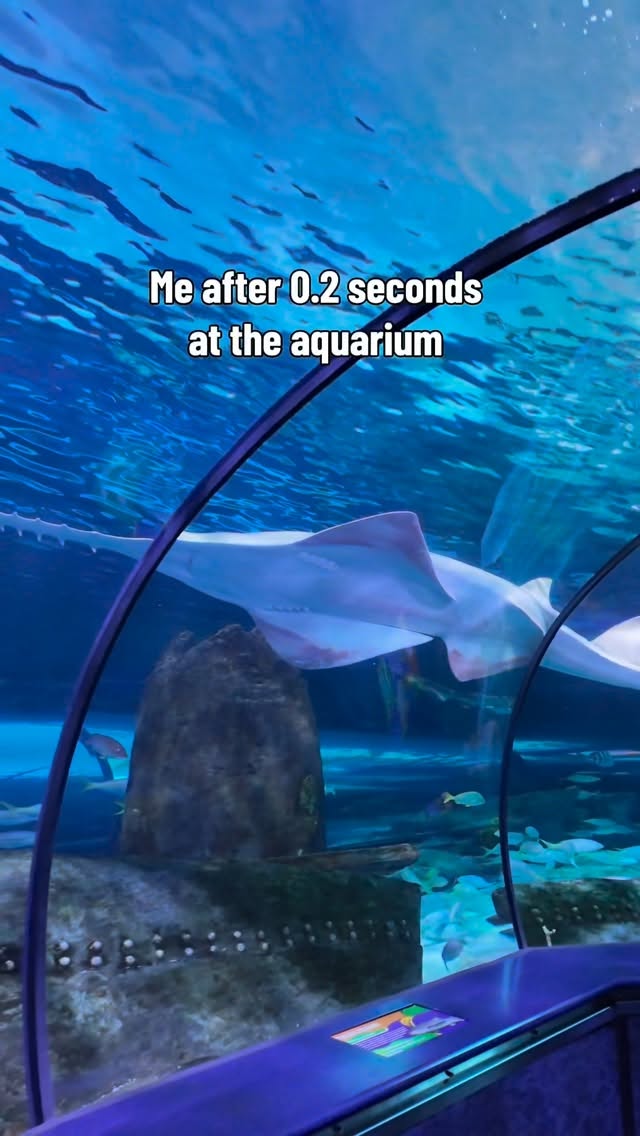
- Importance of Aquarium Spaces in Wildlife Conservation
- The Role of Aquariums in Education and Research
- Featured Species: What Makes Them Fascinating
- Visitor Engagement: Interactive Experiences
- Future Trends in Aquarium Management
Aquariums serve multiple purposes that extend beyond mere entertainment. They play a significant role in wildlife conservation by providing safe havens for various aquatic species. Through various projects, aquariums aim to conserve threatened species and restore natural habitats. These facilities are often involved in breeding programs that help maintain genetic diversity and build populations of endangered species. Conservation initiatives can span local to global scales, showcasing the importance of aquatic ecosystems and fostering public awareness about environmental issues.
Aquariums also function as critical hubs for education and scientific research. They provide a platform for visitors to engage with marine life, encouraging a deeper understanding of ecosystems and the challenges they face. Educational programs aim to enlighten audiences about marine biology, ocean health, and the interconnectedness of life on Earth. Many institutions conduct research on the behavior, health, and reproduction of aquatic animals, which can lead to significant advances in conservation strategies.
The species displayed in aquariums often captivate visitors due to their fascinating adaptations and behaviors. For instance, the intricate courtship rituals of seahorses add a layer of intrigue to their presence in exhibits. Similarly, the vibrant colors and patterns of coral reefs not only enhance the visual appeal of an aquarium but also demonstrate the biological diversity that these systems harbor. Each species contributes to the overall health of its environment, amplifying the importance of protecting marine habitats.
Visitor engagement within aquariums is elevated through interactive experiences, enriching knowledge and fostering a connection to nature. From touch pools where guests can gently handle marine organisms to behind-the-scenes tours that explain animal care, these experiences enhance understanding and appreciation for aquatic life. Programs targeted at younger audiences, such as educational workshops and guided tours, help instill a sense of responsibility for environmental stewardship from an early age.
Lastly, future trends in aquarium management are addressing mounting challenges posed by climate change, pollution, and habitat destruction. Innovative technologies are being implemented to monitor the health of ecosystems and improve animal welfare. Sustainable practices are also becoming more prevalent, with aquariums looking to reduce their carbon footprints through energy conservation, waste management, and water resource optimization. Public initiatives increasingly focus on raising awareness about marine conservation, inviting community involvement in protecting aquatic environments.
Understanding the multifaceted role of aquariums can open avenues for enhanced public engagement and effective conservation strategies. As valuable education centers, aquariums possess the unique ability to foster public connections to marine life and ensure both understanding and advocacy for aquatic ecosystems. The dedication of these institutions reflects a shared responsibility toward preserving the natural world for future generations.
*****
Source Description
Tell us your favorite part of the aquarium🐠
