
- Understanding the White Rhinoceros: Biology and Behavior
- Conservation Status and Threats Facing White Rhinos
- The Role of Zoos in White Rhino Conservation
- Public Engagement and Education Efforts
- Predicting Outcomes and Wildlife Interactions in Captivity
The white rhinoceros (Ceratotherium simum) is a fascinating and endangered species that holds a crucial place in the ecosystem of African savannas. Two subspecies exist—the Southern white rhino and the critically endangered Northern white rhino. Their biology reflects adaptations to their environments, while their social structures highlight their complex behaviors. These rhinos are the second largest land mammals after elephants, weighing up to 2,300 kilograms (about 5,000 pounds).
White rhinos primarily feed on grasses, using their wide mouths to graze. Their digestive systems are designed to process large amounts of fibrous plant material. Interestingly, these rhinos have a unique social structure. Southern white rhinos are often found in groups, while Northern white rhinos tend to be solitary, with females being more social than males. Their interactions can be observed in habitats like grasslands and savannas, where they establish dominance hierarchies.
However, these majestic animals face significant threats. Habitat loss due to agricultural expansion, human settlement, and poaching for their horns have drastically reduced their populations. Laws and conservation efforts aimed at protecting these animals are essential. Currently, conservationists work tirelessly to monitor and protect remaining populations in the wild. Security measures like anti-poaching patrols and habitat restoration are vital in ensuring their survival.
Zoos have increasingly become important players in white rhino conservation. As breeding centers, they contribute significantly to the genetic diversity of the species. Programs like Species Survival Plans (SSPs) help guide breeding efforts among zoo populations to maintain genetic diversity. These breeding programs are not just about increasing numbers; they focus on creating resilient populations that can be reintroduced into the wild, when conditions allow.
The role of zoos extends beyond animal care to encompass public education and engagement. Many zoos have informative exhibits that detail the plight of the white rhino, thereby fostering a sense of empathy and responsibility in visitors. Participating in educational sessions can enhance understanding of conservation issues. These programs leverage zoos’ unique capacities to engage people of all ages and backgrounds, turning visitors into advocates for wildlife preservation.
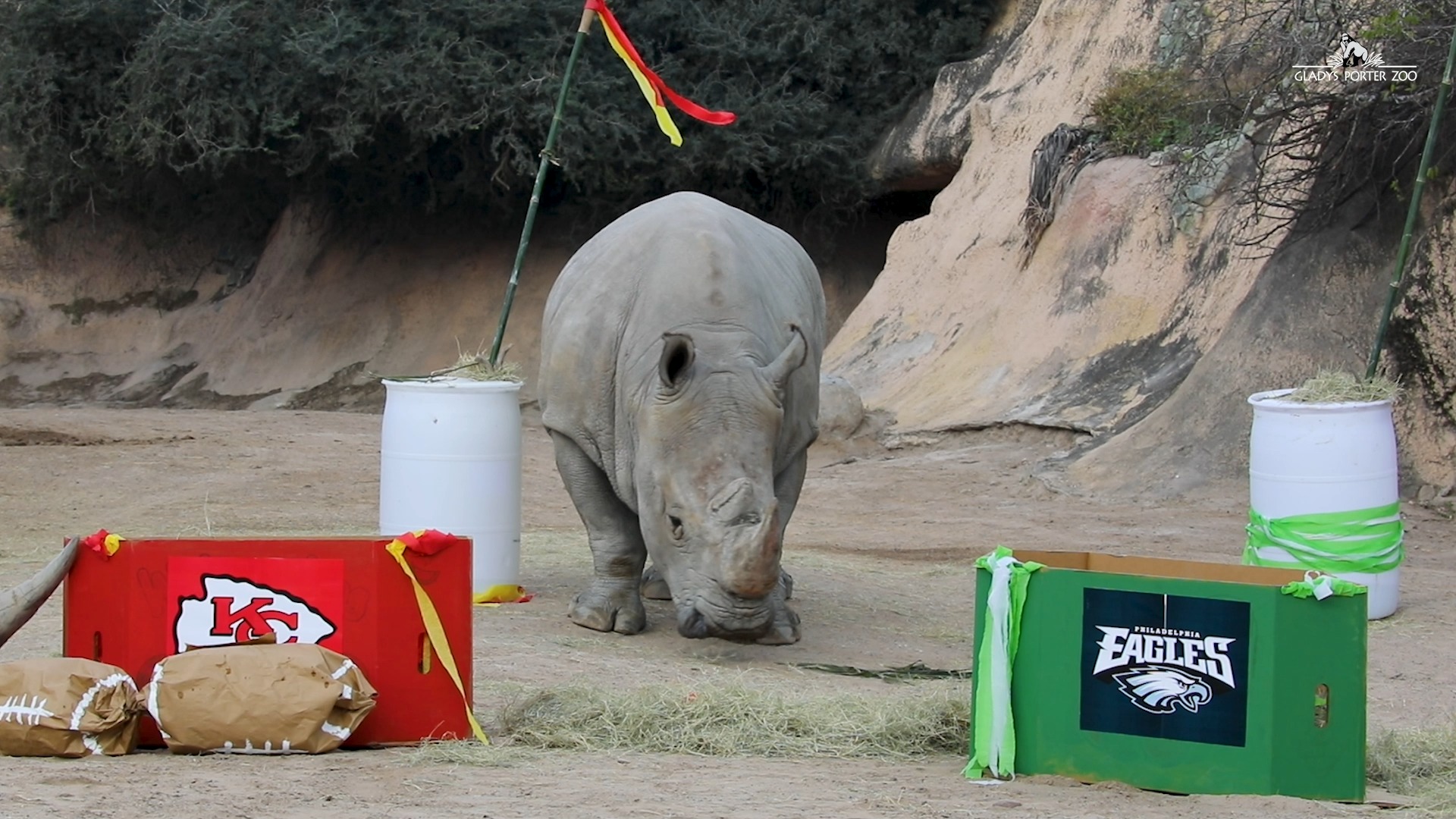
Predicting the dynamics of animals in captivity can yield useful insights about their behaviors. In a setting where three white rhinos—Jhulie, Abby, and Bebop—engage in a decision-making scenario, observation can reveal much about their social interactions. The playful competition over which team’s box would be knocked over reflects not just their preferences but also their problem-solving abilities. Each rhino’s choice indicates individual personality traits, resembling the unpredictability of wildlife interactions in natural habitats.
As these rhinos deliberated on their preferred team for an upcoming match—a somewhat amusing view of their personalities—a deeper connection forms between wildlife and human activities. The anticipation felt among zookeepers and visitors alike showcases the emotional investment people have in animal well-being. This situation echoes broader themes of conservation and the interconnectedness of species. Discerning the fascination and importance of these animals fosters a commitment to wildlife conservation efforts, encouraging positive action among the public.
With increasing environmental pressures, it is essential to remain vigilant in conservation efforts. White rhinos, like many species, require focused attention to continue their existence. Efforts to protect their habitats can yield immense benefits, not only for themselves but for countless other species sharing their environments. Adopting inclusive conservation strategies will help ensure biodiversity is preserved, while education and awareness campaigns remain pivotal.
Collaboration among zoos, wildlife organizations, and governments is vital in the fight against poaching and habitat destruction. Engaging communities in conservation efforts can empower local populations to advocate for their wildlife. Active participation can enhance livelihoods while fostering respect for biodiversity.
In this light, the engagement from individuals observing Jhulie, Abby, and Bebop signifies a collective responsibility towards white rhinos. Their playful decision-making reminds us that the appreciation of wildlife transcends entertainment; it is an opportunity for meaningful connections that inspire action.
Encouraging the adoption of sustainable practices in daily life can extend beyond the walls of zoos. Simple actions, such as reducing plastic consumption and supporting ethical wildlife tourism, can have lasting impacts. The urgency for wildlife conservation becomes clearer through recognizing the interconnectedness of ecosystems.
As you reflect on the playful decision-making of Jhulie, Abby, and Bebop, consider what each of us can do in small and significant ways to support white rhino conservation. Whether advocating for policy changes or spreading awareness through social media, every action counts. The fate of white rhinos, and many other endangered species, rests upon collaboration, awareness, and dedication.
White rhinos may not have a voice in human decision-making, but through concerted action, they can survive and thrive in the face of mounting challenges. Engaging with these animals fosters deeper connections that ultimately drive conservation efforts and create a more informed public. This approach is imperative for curbing the threats these remarkable animals face, ensuring that future generations can appreciate their beauty and ecological significance.
*****
Source Description
After much deliberation and some clashing opinions, our white rhinos, Jhulie, Abby, and Bebop finally agreed on their pick for tonight.
The first box to get knocked over would be the predicted winner. They went back and forth on which team they preferred but, in the end, their choice was clear! If the suspense we felt is any indication of how tonight’s game will go, we think it’s going to be a close one!
What do you think?
@chiefs @philadelphiaeagles
