
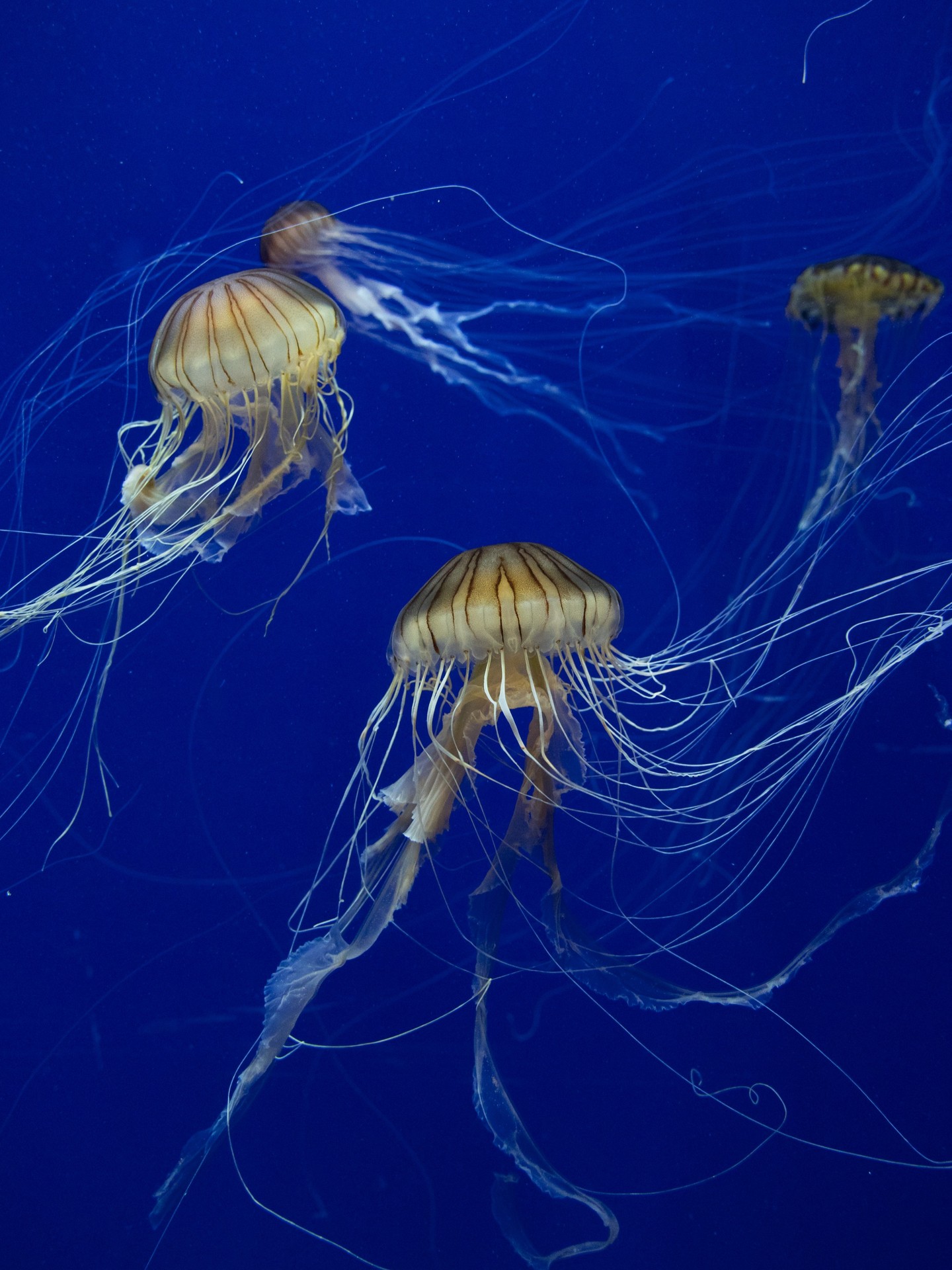
- Sea nettles’ tentacles can extend up to 10 feet in length.
- The ability of their tentacles to sting even after breaking off.
- The regeneration capability of sea nettles.
- The importance of observing these jellyfish safely.
- The role of establishments like the Georgia Aquarium in education and conservation.
The sea nettle, a striking species of jellyfish, boasts impressive tentacles that can reach lengths of up to 10 feet. This physical characteristic illustrates their formidable presence in marine ecosystems. The jellyfish’s tentacles are lined with specialized cells called cnidocytes, which contain nematocysts—harpoon-like structures. These nematocysts are crucial for capturing prey and defense against predators. Even when a tentacle is severed, it retains the ability to sting. This capability serves as both a warning to potential threats and an effective means of securing food.
The ability of sea nettles to sting, regardless of whether their tentacles are intact, is imperative for their survival. This phenomenon occurs because these cells can trigger independently, meaning they can still react even after the jellyfish has lost part of its body. Observations have shown that broken tentacles can remain functional for a considerable amount of time, making it essential for beachgoers to exercise caution when encountering these marine creatures.
Regeneration is another fascinating aspect of sea nettles. If a tentacle is lost, the jellyfish can regenerate the missing part, ensuring its survival and continued ability to function in its environment. This regenerative process highlights the remarkable adaptability of these organisms. They have evolved mechanisms for healing and regrowth, helping them thrive in various aquatic conditions. The capacity for regeneration also raises questions about the biological implications of such processes, as they suggest heightened resilience to injuries that other, more complex animals might not recover from as effectively.
While sea nettles are captivating, it is important to admire them from a distance. Their stings can be painful, though not typically life-threatening for most individuals. Personal experiences with contact can lead to discomfort, ranging from mild irritation to more serious reactions in sensitive individuals. Awareness and education about the location of sea nettles in their habitats are crucial for avoiding encounters.
Places such as the Georgia Aquarium play a vital role in educating the public about sea nettles and overall ocean health. These facilities provide opportunities for close observation, showcasing jellyfish in controlled environments that allow for safe viewing. Visitors can learn about the biology, ecology, and conservation needs of sea nettles and other marine species, fostering a greater appreciation for ocean life.
Education centers like aquariums employ knowledgeable staff to convey the importance of marine conservation, further engaging the community. Public displays often include information on the essential role jellyfish play in marine food webs. Sea nettles serve as both predators of smaller prey and as prey themselves for larger marine animals, highlighting their integral function within their ecosystems.
In a larger context, learning about species like the sea nettle is critical for instilling a sense of responsibility towards marine conservation. The oceans face numerous challenges, including pollution, climate change, and overfishing. By understanding the biology of organisms like the sea nettle, we can promote effective conservation strategies that benefit not only this species but also the many others sharing their habitats.
The body of a sea nettle is composed mainly of water, which can account for up to 95% of its total mass. This high water content contributes to their buoyancy and allows them to drift with ocean currents. They are mostly found in coastal waters, particularly in bays and estuaries, where nutrients are plentiful. This adaptive strategy enables them to capitalize on favorable feeding conditions. As they move with the currents, they capture small fish, plankton, and other tiny marine life with their stinging tentacles.
Aquaria around the world, including Georgia Aquarium, often feature interactive displays, enhancing the learning experience. Visitors can engage with exhibits describing the life cycles, habitat needs, and environmental threats faced by jellyfish. This interaction fosters a deeper understanding of the complex relationships that various marine species have. Public understanding is critical for fostering support for policies aimed at protecting aquatic ecosystems.
Efforts to study sea nettles, including their reproduction and lifecycle patterns, also highlight the necessity for ongoing research in marine biology. Sea nettles reproduce through a process called alternation of generations, involving both sexual and asexual reproduction. Adult jellyfish release eggs and sperm into the water, leading to a fertilized planula larva that eventually settles on the seabed. Here, it can develop into a polyp, a different life stage, which can reproduce asexually. Understanding these life stages can provide insights into population dynamics and assist in managing jellyfish populations better.
Sea nettles also adapt to changing environmental conditions. Research indicates that increasing water temperatures and nutrient input from human activities can lead to blooms, where jellyfish populations explode. These blooms can have significant ecological impacts, including competition with fish species and potential disruption of local fisheries. Being aware of these phenomena can help mitigate negative impacts on marine biodiversity.
Marine conservation efforts aim to address not only the survival of species such as the sea nettle but also their habitats. Protecting coastal areas is vital in maintaining the balance of ecosystems, ensuring the health and wellness of marine organisms. Establishing marine protected areas (MPAs) creates safe havens for various species, allowing for biodiversity to flourish without interference from overexploitation or habitat degradation.
Public outreach through educational programs emphasizing the importance of jellyfish and marine life can also galvanize community support for conservation efforts. By engaging individuals in sustainable practices, such as reducing plastic usage and supporting local conservation initiatives, a collective impact can be achieved that benefits entire ecosystems.
Furthermore, technology plays a crucial role in marine conservation strategies. Satellite monitoring and underwater drones help track jellyfish populations and migrations. This data can provide insights into environmental changes and assist in predicting blooms, thus helping to manage human interactions effectively.
As stewards of the environment, there is a significant responsibility to understand and protect these intricate ecosystems. Each species, including the sea nettle, serves a purpose, contributing to the greater ecological balance. Education and awareness are crucial in fostering a culture of conservation, ensuring that future generations inherit a healthy ocean.
The beauty and resilience of the sea nettle serve as a constant reminder of the importance of vigilance in marine conservation. Their impressive tentacles, the ability to regenerate, and their ecological roles in marine systems emphasize the need for ongoing education and awareness. Understanding the lives of these jellyfish can inspire a more profound appreciation for our oceans and motivate action towards protecting them.
Visiting educational institutions like the Georgia Aquarium is an excellent opportunity to engage with aquatic life. These facilities bring individuals face-to-face with species like the sea nettle while providing valuable information on their significance. Community programs can encourage local involvement in conservation, helping foster a passion for marine life.
Overall, the sea nettle offers a window into the complexities of ocean ecosystems. Their biology, interactions, and the challenges they face embody the rich tapestry of marine life. As individuals and communities rally to protect our oceans, understanding organisms like the sea nettle plays a pivotal role in inspiring action toward a sustainable future.
*****
Source Description
Did you know a sea nettle’s tentacles can grow up to 10 feet? Even if one breaks off, it can still sting — but don’t worry, they can regenerate!
These jellies are a perfect reminder to admire ocean wildlife from a safe distance. 💙 But you can always see them up close at Georgia Aquarium!
