
- The collaboration between Birch Aquarium and Scripps Sandbox Makerspace.
- The innovative design of the Seahorse Hotel and its educational impact.
- The significance of seahorse conservation and their ecological role.
- The importance of blending art, science, and technology in education.
- The ongoing initiatives for public engagement in marine conservation.
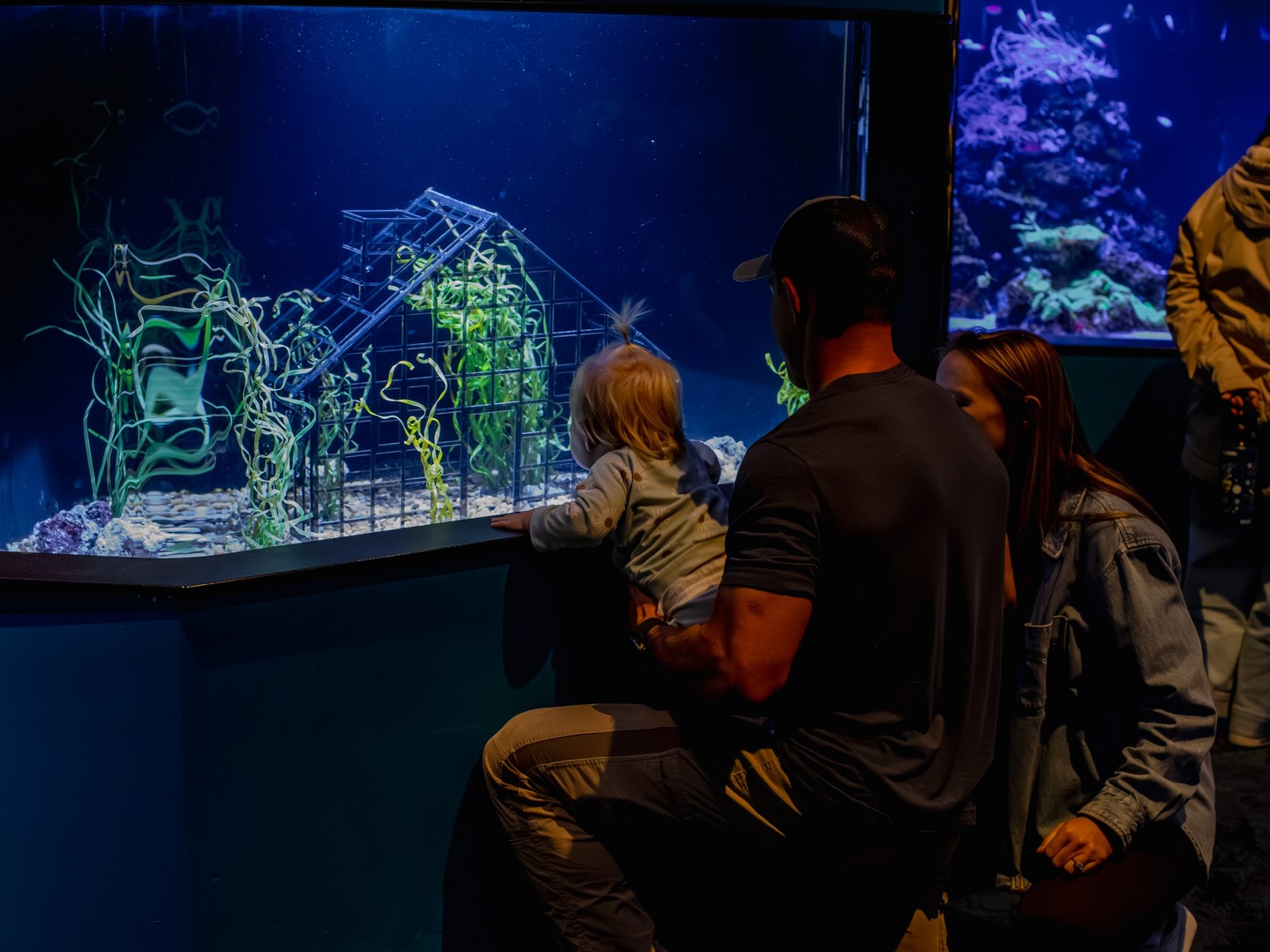
The recent collaboration between Birch Aquarium and Scripps Sandbox Makerspace marks an exciting fusion of art, science, and technology. This partnership has given rise to an inventive installation known as the Seahorse Hotel, a concept spearheaded by Seahorse Care and Conservation Aquarist Mark. The project began with Mark’s vision, translated into a physical representation with the help of the Scripps Sandbox team, particularly staff member Arnav. Together, they employed advanced techniques such as laser cutting to fabricate a detailed model that not only captures the fascination of visitors but also aims to educate them about these intriguing marine creatures.
The Seahorse Hotel, now on display in the Renita Greenberg Crowned Seahorse Habitat, does more than serve as an art installation. The design elements reflect intricate patterns reminiscent of seahorse windowpanes, which can be found in the aquarium’s Galleria. This creative integration highlights how thoughtful design can facilitate a deeper understanding of marine life. Visitors are encouraged to examine the model closely, allowing an appreciation of both its aesthetic and educational aspects.
Understanding the significance of seahorse conservation is paramount in the context of the Seahorse Hotel. These unique fish are vulnerable due to factors such as habitat destruction, climate change, and overfishing. Seahorses play a crucial role in maintaining the health of marine ecosystems. They serve as both predator and prey, indicating the health of their environment. Protecting these fascinating creatures is essential, not just for their survival, but for the balance of the ecosystems they inhabit.
Projects like the Seahorse Hotel highlight the importance of public engagement in marine conservation. By showcasing art and science together, audiences can become more aware of the issues surrounding marine life. This innovative display acts as a gateway, sparking curiosity and motivating individuals to get involved in conservation efforts. Awareness campaigns often discuss the challenges faced by species like the seahorse, but interactive and visually striking models are more effective in capturing public interest.
The relationship between creativity and science is vital in today’s educational landscape. By incorporating elements of design and technology, the Seahorse Hotel not only serves a functional purpose but also engages younger audiences. This combination fosters a spirit of inquiry, encouraging students and visitors alike to explore scientific concepts related to marine biology and environmental stewardship. This collaborative project stands as an example of how educational experiences can be made memorable while delivering crucial information.
As visitors interact with the Seahorse Hotel, they are introduced to the broader conversations surrounding marine conservation and biodiversity. The project provides a tangible platform from which to discuss not only the biology of seahorses but also the myriad of other challenges facing marine life. From pollution to habitat loss, these topics can be complex and multifaceted, but the Seahorse Hotel breaks them down in a more digestible format.
This integration of art and science plays a significant role in stimulating critical thinking. Visitors may ponder questions such as how the design of the Seahorse Hotel might influence seahorse behavior or what additional adaptations seahorses might need to survive in changing environments. Each interaction reinforces key educational messages and encourages independent thought.
In addition to its educational value, the Seahorse Hotel also showcases innovative technologies at play in modern aquaristics. Techniques such as 3D printing and laser cutting are not just for artistic endeavors—they represent the forefront of conservation efforts. These technologies allow for the creation of precise models that can be used to study animal behavior or habitat preferences. The collaboration between Birch Aquarium and Scripps Sandbox enriches both fields, demonstrating the shared goals of creativity and knowledge.
Moreover, the Seahorse Hotel reflects the broader implications of marine conservation. It serves as a reminder that protecting marine ecosystems is a global duty. Collaborative efforts between institutions, such as the Birch Aquarium and Scripps Sandbox, send a powerful message about the importance of working together in addressing the challenges facing our oceans. This partnership exemplifies how interdisciplinary approaches can yield impressive educational tools while promoting conservation initiatives.
As the Seahorse Hotel continues to draw visitors into the aquatic world of seahorses, the impact of such initiatives becomes clear. They foster an environment where learning and creativity flourish, opening dialogues that extend beyond the aquarium itself. Families, school groups, and individuals leaving the exhibition are armed with knowledge and inspiration, which may encourage them to take active roles in marine conservation.
The Seahorse Mojo Dojo Casa House is more than just an art installation. It is a significant step towards integrating various disciplines to educate and inspire action towards marine conservation. By continually adapting their approaches, organizations like Birch Aquarium and Scripps Sandbox will lead the charge in fostering a generation that is aware of the importance of protecting our oceans.
Engagement with projects like the Seahorse Hotel can also cultivate a deeper appreciation for natural history and science. For young audiences, seeing how technology and creativity intersect can spark an interest in pursuing careers in science, technology, engineering, or mathematics (STEM). Educational exhibits that focus on conservation will ignite curiosity in young minds, leading to innovative solutions for future challenges.
In summary, the Seahorse Hotel serves as a landmark effort to combine the realms of art and science, fostering an environment for learning and conservation. The work being done at Birch Aquarium and Scripps Sandbox is crucial in shaping public perception of marine conservation issues. Through creative collaboration, they invite visitors to participate in the ongoing dialogue surrounding the protection of seahorses and the environments they inhabit.
These discussions translate into actions that promote sustainable practices and encourage community involvement. The Seahorse Mojo Dojo Casa House signifies hope—hope for the continued survival of seahorses and an awakening in the public sphere regarding the importance of marine ecosystems. A well-informed community is essential for effective conservation, and initiatives like the Seahorse Hotel pave the way for future efforts in educating and empowering individuals to take action.
Continuing this trend of interdisciplinary collaboration will be vital in achieving broader success in marine conservation. The dedicated work of aquarists, scientists, and artists will ensure that knowledge about these fascinating creatures is preserved and shared for generations to come.
*****
Source Description
This shall henceforth be known as the Seahorse Mojo Dojo Casa House …
Recently, Birch Aquarium and the Scripps Sandbox Makerspace teamed up to blend art, science and innovation into something truly special – a new Seahorse Hotel! It all began when Seahorse Care and Conservation Aquarist Mark sketched a fresh concept for a Seahorse Hotel. After refining the design and carefully mapping out measurements, he turned to the @scripps_sandbox team to help bring his idea to life. Working alongside Makerspace staff member Arnav, Mark successfully fabricated a laser-cut model of the Seahorse Hotel!
The new Seahorse Hotel is now on display in the Renita Greenberg Crowned Seahorse Habitat in the Seadragons & Seahorses exhibition. If you look closely at its sides, you may notice design elements inspired by the seahorse windowpane pattern featured in the aquarium’s Galleria. Learn more about this cool collaboration in the link in our bio.
