
- The partnership between The Huntington and the LA Zoo as an innovative approach to animal enrichment.
- The process of how garden waste becomes valuable sensory experiences for zoo animals.
- Insight from experts: perspectives from senior animal keeper Kevin and head rose gardener Stephen.
- The importance of using natural materials for enhancing animal environments in captivity.
- Broader implications for sustainability and conservation in zoological settings.
The collaboration between The Huntington and the Los Angeles Zoo marks an exciting era in animal enrichment strategies. This partnership showcases how garden waste, specifically rose trimmings, can have a significant impact on enhancing the lives of animals in captivity. The initiative encourages us to rethink the use of horticultural byproducts, transforming what would typically be discarded into meaningful, sensory experiences for animals.
Animal enrichment is crucial to the well-being of zoo inhabitants. It involves providing animals with various stimuli—such as food puzzles, varied habitats, and social interactions—to promote physical activity and mental engagement. When used wisely, natural materials, like rose trimmings, serve dual purposes. They contribute to sustainable practices while also enriching the environments where animals thrive. In this partnership, The Huntington generously offers its rose garden clippings, effectively turning what is usually waste into a treasure trove of sensory delights for the animals.
The process begins with the rose trimmings as they are collected from The Huntington. Head rose gardener Stephen meticulously oversees this operation. Instead of discarding these clippings, they are transported to the LA Zoo, where they become a valuable component of enrichment efforts. These clippings not only provide a new scent but also offer a different texture for animals to explore. It sparks curiosity and encourages natural behaviors, such as digging, sniffing, and playing.
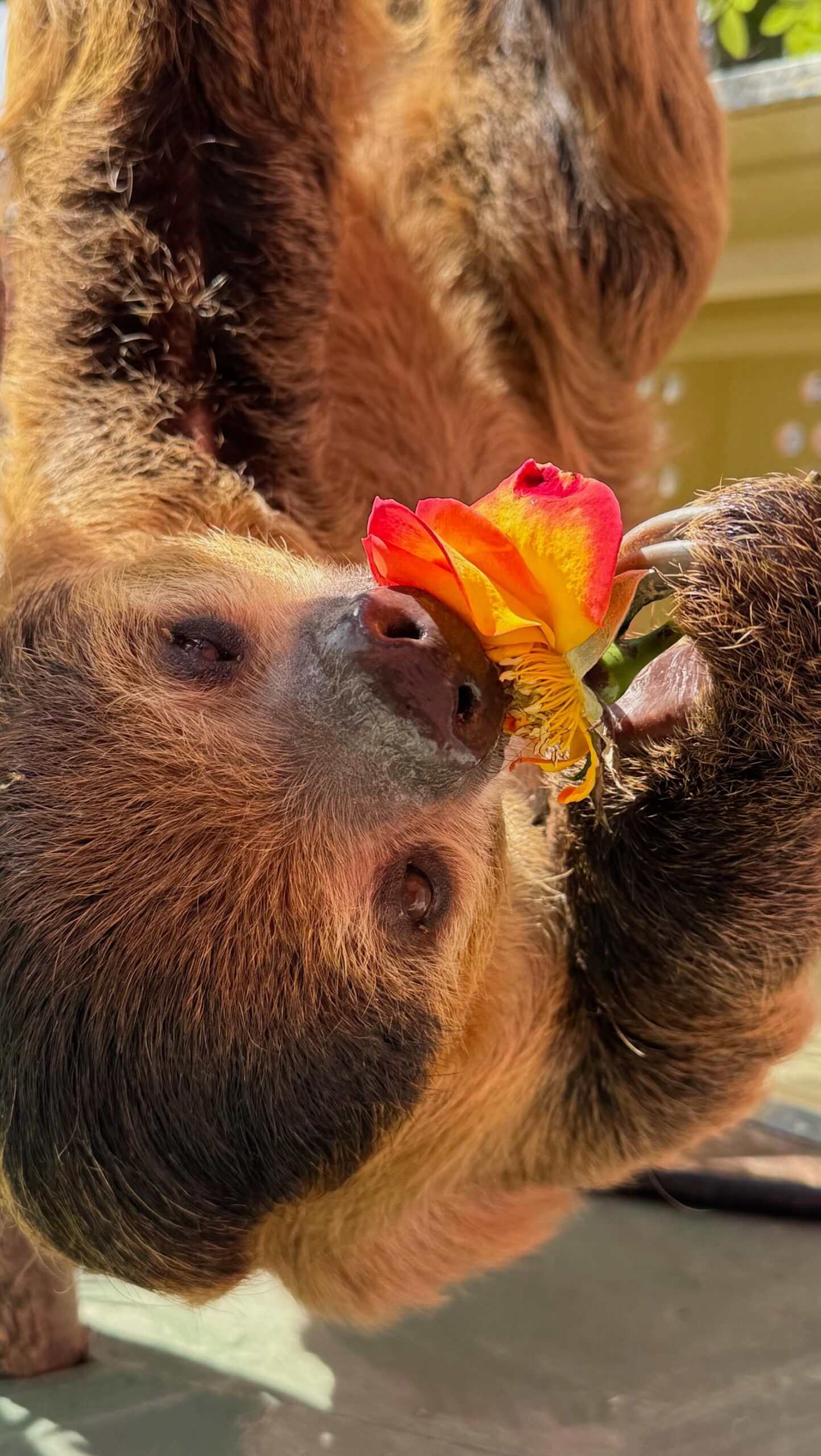
Senior animal keeper Kevin emphasizes that the addition of rose trimmings helps fulfill the psychological needs of the animals. Many zoo animals experience boredom and stress due to limited stimuli in their enclosures. By integrating these scents and textures into their environments, animals have the opportunity to engage in behaviors reflection of their wild counterparts. For instance, when given rose trimmings, sloths may demonstrate increased exploratory behavior, something that is vital for their well-being.
This innovative partnership also sheds light on the critical importance of using natural and environmentally friendly materials in animal care. Many zoos move towards sustainable practices, minimizing reliance on synthetic materials or enriching items that may not align with ecological conservation. By implementing natural materials like roses, zoos can create an environment that mirrors aspects of animals’ natural habitats. This approach not only benefits the animals but also aligns with broader conservation goals.
The role of the horticultural team in this enrichment program cannot be overstated. The careful selection and handling of plant materials make a significant difference in how effective these enrichment items are. Each batch of rose clippings is assessed to ensure they are free from harmful chemicals or pesticides. By taking these steps, the horticultural team at The Huntington safeguards the health of the animals at the LA Zoo. Understanding the nuances of each species’ needs is integral to making and implementing decisions that impact animal care directly.
The repercussions of this collaborative effort extend beyond immediate animal enrichment. The Huntington and the LA Zoo are setting a precedent for other zoos and gardens, advocating for similar initiatives that could lead to a systemic shift in animal welfare practices. By sharing insights and methodologies, they encourage other facilities to partner and innovate more sustainably, using natural resources in more imaginative ways.
This partnership also resonates with the public’s increasing desire for transparency in zoos and conservation practices. People want to know how their contributions and visits are impacting animal welfare. Initiatives like this provide tangible examples of conservation in action. Each time visitors witness animals engaging with the rose trimmings, they see firsthand the benefits of natural enrichment and sustainable practices. It connects the public to the animals, fostering a sense of ownership and responsibility towards wildlife conservation.
The collaboration embodies a philosophy that the zoo world is moving toward: a focus on adaptive management. This strategy emphasizes learning from experiences and continuously adapting practices to improve animal care. As the partnership evolves, feedback from animal keepers, veterinarians, and horticulturists will play a significant role in shaping future enrichment strategies. Integrating flowers and plants leads to ongoing research about how different species interact with various sensory materials.
In essence, using rose trimmings for animal enrichment is a multifaceted approach that enriches the lives of animals while promoting sustainability. The ongoing interaction among horticulturalists, zookeepers, and the broader community illustrates the impact collaborative efforts can have toward improving animal welfare in zoos.
Organizations across the globe are realizing the importance of collaboration for the benefit of wildlife. Drawing on mutual strengths allows for innovations that meet animal needs while also appealing to humane and ethical standards. Similar partnerships could easily extend to other floral or plant sources, opening avenues for richer and more varied animal environments.
Public input further adds value to how these practices evolve. Educational programs and outreach help visitors understand the significance of using garden waste. Workshops and community events can showcase how even simple garden trimmings can enrich animal lives. The Huntington and the LA Zoo are both enhancing public engagement in surprisingly impactful ways.
Conservation is not only about protecting wildlife but also about instilling a sense of responsibility within the community. When individuals see their local institutions working together for the greater good, it motivates them to become advocates for more sustainable practices in their own lives. These collaborative efforts can lead to long-term changes in how individuals perceive zoos, gardens, and the role they play in environmental stewardship.
Moreover, this creative initiative can serve as a springboard for more extensive research on animal wellness and behavior. Experts and researchers can track the effects of sensory enrichment like rose trimmings on various species, contributing to the global dialogue on wildlife conservation and animal care.
As the partnership continues, the excitement about its potential grows. Horticulturalists and animal keepers will work closely to identify which plants have suitable qualities for animal enrichment. This ongoing collaboration promises to yield a treasure trove of information that benefits not just one species, but the entire ecosystem of the zoo.
In summary, the partnership between The Huntington and the LA Zoo exemplifies a modern approach to animal enrichment. By combining horticultural knowledge with animal care, both institutions are paving the way toward a more sustainable and compassionate future for wildlife in captivity. This innovative dynamic serves as an inspiring model, demonstrating how gardens and zoos can work hand in hand to enhance the lives of countless animals, all while engaging the community to support local conservation efforts.
*****
Source Description
Some like to stop and smell the roses… others like to roll in them. 🦥🌹 We’re excited to share a new partnership between The Huntington and The LA Zoo!
Instead of heading to the mulch pile, some of the Rose Garden trimmings are now being used as enrichment for animals at the zoo.
Learn how garden waste becomes a sensory treat for our animal friends with senior animal keeper Kevin and head rose gardener Stephen. 🌿🦔
