
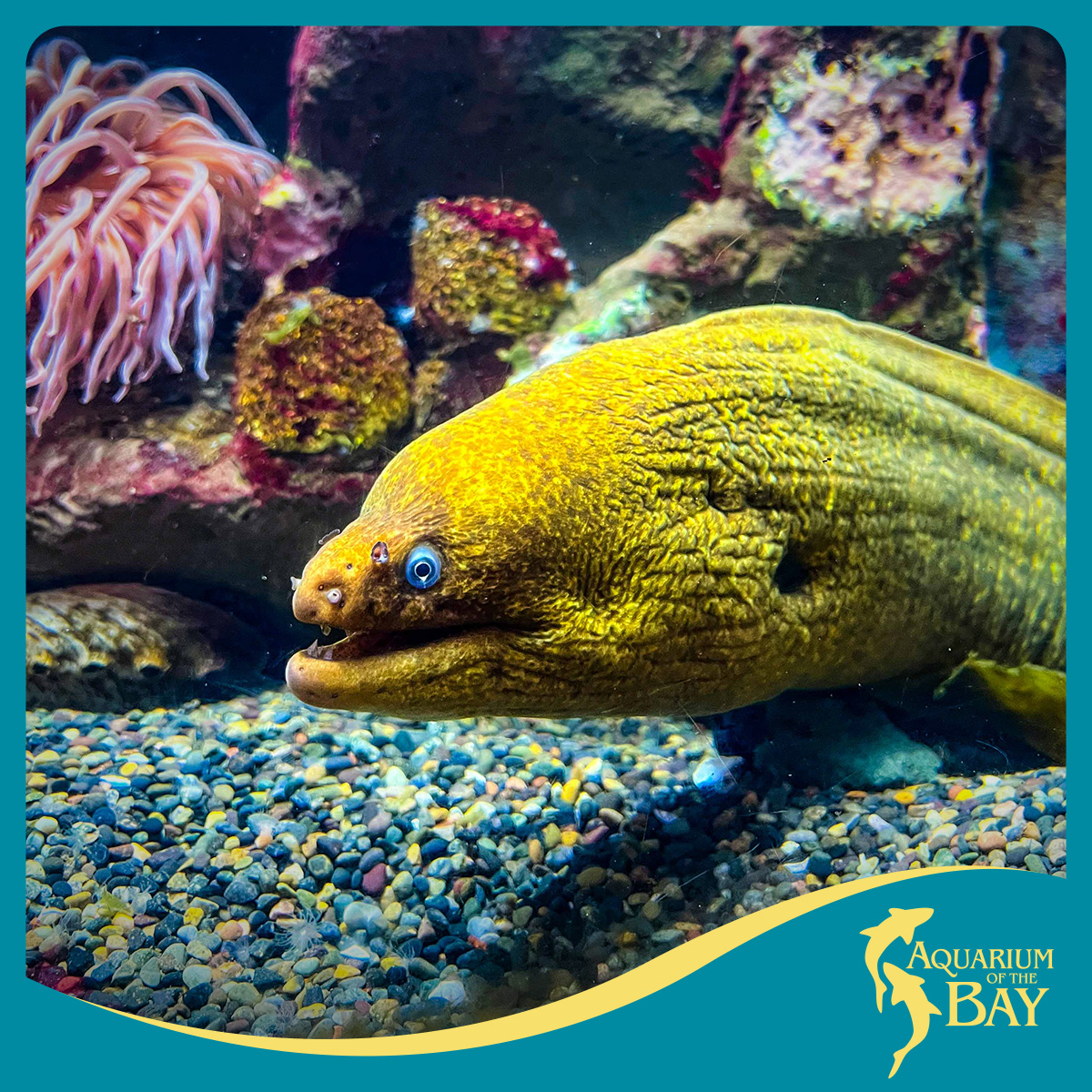
- Anatomy and Physiology of the California Moray Eel
- Habitat and Distribution
- Feeding and Hunting Techniques
- Importance in Marine Ecosystems
- Conservation Status and Threats
The California Moray (Gymnothorax mordax) exhibits a distinctive anatomy that differentiates it from other fish species. With a long, snake-like body designed for life in rocky crevices, this eel lacks scales and lateral lines, featuring smooth skin that often varies in color from light to dark shades of brown and green. Its streamlined shape enhances its ability to move through narrow spaces within its habitat. The absence of pectoral and pelvic fins marks a significant departure from other eel-like fishes, allowing for greater maneuverability in the tight confines of its environment.
Another critical aspect of the California Moray’s anatomy is its dental structure. This species possesses numerous sharp teeth that aid in catching and consuming prey. The round gill openings located near the head add to its streamlined profile, ensuring efficient water flow over the gills for respiration. A remarkable feature of the California Moray is its raptorial pharyngeal jaws. These specialized secondary jaws extend from the throat to grasp struggling prey effectively, pulling it into the esophagus for swallowing. This unique feeding mechanism allows the moray to tackle prey that is often larger and more evasive than it would otherwise be able to consume.
California Moray Eels inhabit a range of environments, primarily residing in rocky reefs and subtidal zones. They can typically be found at depths up to 130 feet (40 meters), where they occupy cracks and crevices. These habitats provide safety from predators and a variety of food sources. The distribution of the California Moray extends from Point Conception, California, down to Southern Baja, Mexico. Within this geographic range, the California Moray shows a preference for specific conditions, selecting areas with abundant shelter and suitable prey availability.
The feeding habits of the California Moray play a critical role in its ecological niche. These eels are carnivorous, primarily preying on smaller fish and invertebrates. By utilizing their sharp teeth and specialized jaws, they are adept at ambushing prey that ventures too close to their hiding spots. Their hunting strategy is based on stealth and surprise, often enabling them to capture prey while minimizing energy expenditure. The presence of California Moray Eels within their ecosystem influences population dynamics among prey species, thereby affecting broader community structures.
The California Moray contributes to the biodiversity of marine ecosystems. As a predator, it helps maintain population control of smaller fish and invertebrates, ensuring a balanced marine environment. Furthermore, it serves as prey for larger marine animals, thus integrating itself into the food web. Its role in nutrient cycling is significant, as decaying organic matter from its feeding habits enriches the surrounding environment, promoting the health of various marine organisms.
Despite their importance to marine ecosystems, California Moray Eels face various threats. Habitat degradation, primarily due to human activities such as coastal development and pollution, has compromised their living conditions. Overfishing and illegal collection for the aquarium trade also pose significant risks to local populations. Climate change exacerbates these issues, leading to altered ocean temperatures and rising sea levels that further threaten their habitats. Conservation efforts targeting the protection of rocky reef environments and sustainable fishing practices are critical in ensuring the longevity of the California Moray population.
Awareness of the California Moray’s habitat, feeding habits, and ecological contributions highlights the importance of marine conservation. By understanding and appreciating the complexities of marine life, individuals can play a part in preserving these vital ecosystems. Supporting marine protected areas and advocating for sustainable practices can help safeguard not only the California Moray but also the rich diversity of marine life that depends on similar habitats.
The California Moray is an integral part of the marine environment, showcasing unique adaptations for survival. Its anatomy, characterized by a snake-like body, sharp dentition, and specialized jaws, exemplifies nature’s design for efficiency and effectiveness in hunting. The habitats it occupies are crucial not only for its survival but also for the stability of marine ecosystems.
Ultimately, learning about species like the California Moray Eel provides insights into broader ecological principles and underscores the importance of conservation efforts. As stewards of the environment, raising awareness about such creatures can lead to more robust protective measures, ensuring that future generations can appreciate the delicate balance within oceanic ecosystems.
*****
Source Description
“Like most moray eels, the California Moray has a snake like body with no scales or lateral lines. Its coloration can be light or dark with hues of browns and greens and they lack pectoral and pelvic fins distinguishing it from other eel-like fishes. This eel has numerous sharp teeth with a round gill opening in the head region. They also have a second set of jaws: raptorial pharyngeal jaws that are launched out of its throat and into its mouth, grasping struggling prey and pulling it into the esophagus. They typically inhabit cracks and crevices within rocky reefs or in the subtidal zone to 130ft (40m) deep, and can be found from Point Conception (California) to Southern Baja (Mexico).”
Photo by AOTB Social Media Guy.
