
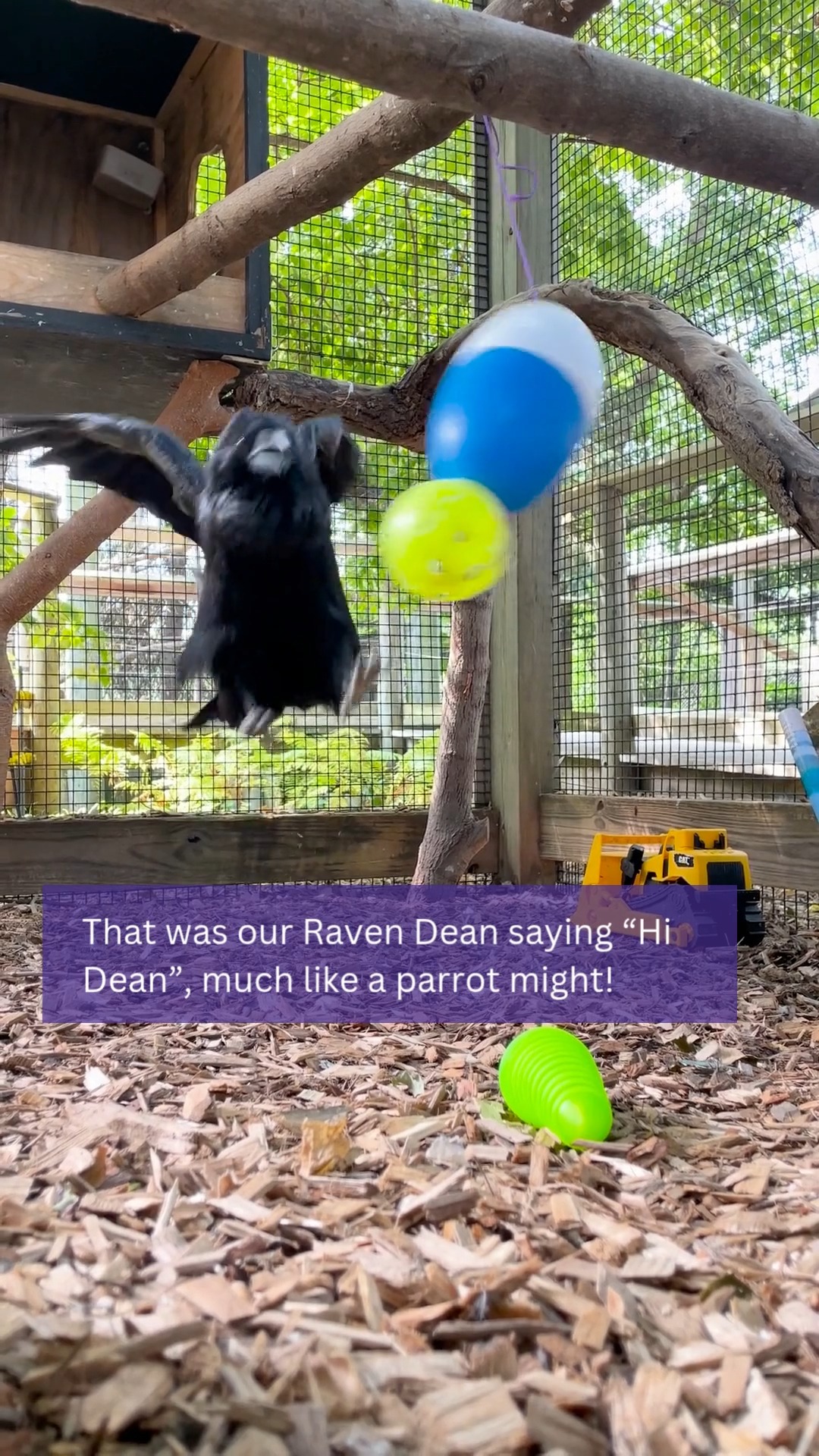
- Ravens possess remarkable vocal abilities, including the capacity to mimic human speech.
- Understanding the biology behind a raven’s vocalization provides insights into their intelligence.
- The role of ravens in ecosystems and their importance in wildlife conservation.
- Training and interacting with ravens can contribute to better understanding of avian behavior.
- The implications of raven mimicry in the context of animal communication and human interaction.
Ravens are often hailed as some of the most intelligent birds in the animal kingdom. One of their most fascinating characteristics is their ability to mimic human speech. When observing a raven like Dean, you’ll notice not just a skilled vocalist, but also an intriguing creature that showcases the sophisticated interplay between instinct and learning in avian life.
The mechanism behind why a raven can mimic human language is rooted in their vocal anatomy. Ravens belong to a family of birds known as Corvidae, which also includes crows, magpies, and jays. The syrinx, located at the base of a bird’s trachea, functions similarly to a human larynx, allowing them to produce a range of sounds. This complex organ enables ravens to manipulate air flows, producing varied vocalizations.
Moreover, ravens possess a highly adaptable neurological capacity. Research has shown that their brains are wired for problem-solving and creativity, paralleling even some primates. They have not only the physical capability to mimic sounds but also the cognitive skills to understand context. This means that when Dean mimics the human language, he is often doing so in relation to specific stimuli, displaying a form of associative learning.
In the wild, ravens use their vocal abilities for various purposes, including communication with their peers and warning others of danger. They can produce alarm calls, food calls, and even courtship songs. Their ability to mimic human sounds can often be attributed to the strong bonds formed with human caregivers or environments. This bond enhances their social learning, allowing them to adopt sounds that are significant and often contextually relevant.
The implications of a raven’s mimicry extend beyond their impressive vocalizations. As communicators, they play crucial roles in their ecosystems. In many cultures, ravens are symbols of change, adaptability, and intelligence. Their behaviors can teach us about the complexities of animal communication and contribute to our understanding of biodiversity.
Ravens are also scavengers, playing a pivotal part in the health of their ecosystems. They contribute to the breakdown of organic matter and assist in nutrient cycling. By studying ravens in the wild or in controlled environments, conservationists can gain valuable insights into environmental balance and the consequences of habitat destruction.
Training and interacting with ravens like Dean can reveal more than just their remarkable vocal skills. Such engagement can deepen our understanding of avian behavior, fostering a connection that is essential for species preservation. Positive interactions with ravens can stimulate ethical considerations in wildlife conservation efforts, especially when involving captive birds.
Understanding raven mimicry also involves examining the social structures of their communities. These birds are known for their complex social interactions, often forming lifelong bonds with their partners. Vocal mimicry may serve as a social tool, helping individual birds integrate into their social groups. For example, a raven that mimics the call of a nearby crow could gain acceptance within that flock, further extending its chances of survival.
In terms of wildlife conservation, knowing about a raven’s ability to mimic human language can shape public perception and policy. The intelligence and adaptability of this species underline the importance of preserving their habitats. Effective conservation strategies may hinge on educating communities about the significance of ravens, their role in ecosystems, and their fascinating behavior. By fostering respect and admiration for these birds, we can encourage efforts to protect their habitats from urban encroachment and environmental degradation.
Engagement with raven behavior also has implications for conservation programs. Many zoos and wildlife sanctuaries involve educational outreach as a central part of their mission. Demonstrating raven vocalization or communication can capture the interest of visitors, sparking curiosity about avian life in broader ecological contexts. Programs that include the vocal capabilities of ravens can provide a platform for discussions about the importance of protecting natural habitats and understanding animal intelligence.
Additionally, studies on raven mimicry have led scientists to consider the cognitive aspects of animal communication more broadly. Understanding how animals like Dean learn and use sounds can contribute to ongoing conversations about animal rights and welfare. This knowledge can also underscore the importance of maintaining environments that allow for natural behaviors and social learning.
For those interested in avian studies, the vocalization abilities of ravens offers a rich field for exploration. Behavioral researchers often investigate how environmental factors influence vocal mimicry in birds. Factors such as urban noise, habitat fragmentation, and human interaction can shape the sounds that ravens learn and produce.
The mimicry of human speech is not simply an amusing trait; it reveals much about the cognitive landscape of ravens. By observing and studying these birds, scientists can glean insights into the evolutionary pathways of communication in animals. This knowledge extends to understanding the adaptability needed in a rapidly changing world, where collaboration between species—including humans—is essential for survival.
In sum, the capacity of ravens to mimic human language serves as a lens through which we can examine animal intelligence, social relationships, and the intricacies of communication. Ravens like Dean not only entertain us with their vocal skills but also educate us on the critical need for wildlife conservation and a deeper appreciation for the natural world. These birds invite us to reflect on our relationship with wildlife and our responsibilities in protecting the delicate balance of life on our planet.
As care for the environment becomes increasingly urgent, engaging with intelligent species like ravens can serve as a catalyst for greater awareness. By appreciating their vocal talents and understanding their ecological roles, we can work towards a future that prioritizes biodiversity and ensures that species like ravens continue to thrive in their natural habitats.
*****
Source Description
👀 Did you know a raven can mimic the human language?? Listen to our raven, Dean, in this video! 🐦⬛
