
- International Day of Climate Action: Origin and significance
- Overview of the “Under the Canopy” installation by Henry Jackson
- The role of experiential art in environmental awareness
- Impact of climate change on tropical rainforests and biodiversity
- Engaging the public through art and education
International Day of Climate Action began as a way to galvanize individuals and communities globally in addressing climate change. Established in 2009, this day calls for unified global action and raises awareness about the urgent need to protect our planet. It’s a reminder that collective efforts can drive change and mitigate the impacts of climate change, which are increasingly evident.
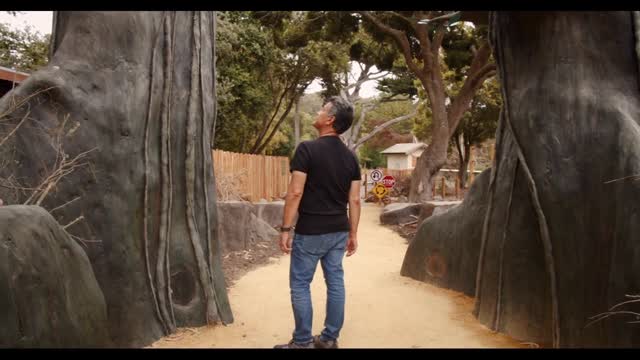
“Under the Canopy” is an immersive installation created by San Francisco artist Henry Jackson, crafted to convey the urgency of environmental issues. The installation presents an artistic interpretation of a tropical rainforest, encouraging visitors to engage on multiple sensory levels. By allowing individuals to walk through this transformed space, Jackson captures the contrast between the beauty of a rainforest and the pressing threats it faces due to climate change. The intricacies of the installation provoke thought and emotion, making the experience not just observational but deeply personal.
Experiential art plays a significant role in raising awareness around climate change. By blending creativity with education, art installations like “Under the Canopy” attract a broader audience. People who may not otherwise engage with climate science are drawn to the aesthetic and interactive elements. This approach creates a setting conducive to learning and reflection. It encourages visitors to consider their connection to the environment and the importance of conservation efforts.
Tropical rainforests, often referred to as the lungs of the Earth, are among the most biodiverse ecosystems. However, they are also one of the most endangered. Climate change affects these habitats through rising temperatures, altered rainfall patterns, and increased CO2 levels. Every year, deforestation escalates due to agriculture, logging, and urbanization, resulting in a significant loss of species. The complex interplay of these factors presents substantial challenges for conservationists and environmentalists.
Public engagement is crucial in tackling climate change. Art has the power to provoke an emotional response and instigate action. Installations like “Under the Canopy” catalyze dialogues about environmental responsibility. They encourage participants to reflect on their habits, prompting conversations about sustainability and conservation. By engaging the public, artistic endeavors not only educate but also inspire actionable change within communities, leading to a strong collective movement for climate action.
Exploring the details of the exhibition itself, “Under the Canopy” provides attendees with an immersive experience that simulates a tropical rainforest environment. Artifacts, soundscapes, and visual elements converge to create a multi-dimensional journey. As visitors navigate through the installation, they are exposed to a range of textures, sounds, and scents reminiscent of a vibrant ecosystem.
The soundscapes consist of everything from birds calling to the rustling of leaves, creating a sense of authentic immersion. Visual displays highlighting flora and fauna, alongside data about deforestation and climate change, educate visitors about the current state of the environment. These interactive layers enhance the visitor’s understanding while prompting deeper inquiry into their relation to global conservation efforts.
Henry Jackson’s artistic vision reflects the duality of wonder and crisis found in nature. The tropical rainforest, with its vibrant colors and diverse life forms, stands as a symbol of Earth’s beauty. Conversely, the degradation it faces underscores the urgency of climate action. Jackson’s work cleverly illustrates this dichotomy, making it a powerful tool for environmental education.
To further comprehend the impacts of climate change on tropical rainforests, one must recognize their vital role in carbon sequestration. Tropical forests absorb vast amounts of CO2 from the atmosphere. However, as deforestation continues, not only are these carbon sinks diminished, but the released carbon contributes to atmospheric greenhouse gases, exacerbating climate change. It’s a self-perpetuating cycle that scientists and conservationists seek to break.
Biodiversity within these ecosystems is another significant aspect impacted by climate change. Many species find their habitats diminishing due to rising temperatures. This leads to shifts in migration patterns, altered breeding cycles, and even extinction. Increased human activity only heightens these challenges, with invasive species further disrupting local communities and ecosystems.
Conservation strategies focus on mitigating these impacts through various approaches. Habitat restoration, sustainable farming practices, and community engagement programs serve as powerful tools. By addressing the issues at the local level, organizations work to restore the balance that has been disrupted. Supporting policies aimed at preserving natural habitats is equally important, ensuring governmental and legislative backing.
Incorporating educational programs tied to experiential art installations also proves effective. Schools and community organizations can collaborate with artists like Henry Jackson to develop educational outreach initiatives. By exploring the themes within “Under the Canopy,” young people become advocates for their environment. This builds a generation that values sustainability and is informed about climate action.
Ultimately, initiatives like International Day of Climate Action and art installations such as “Under the Canopy” serve as vital instruments in the fight against climate change. They engage individuals from diverse backgrounds and create shared experiences centered around environmental awareness. The confluence of art and activism fuels conversations that are necessary for fostering a culture of responsibility and stewardship toward our planet.
Henry Jackson’s installation acts as a poignant reminder of the intrinsic connection between humans and nature. By immersing the public in artistic interpretations of forests, he allows them to reflect on their impact and inspires them to take action. Climate change is not a distant threat; it is happening now, affecting ecosystems and populations worldwide.
As communities come together, the potential to influence change emerges. Through art, education, and dedication to conservation, societies can pivot toward a more sustainable future. Engaging the public through emotionally resonant experiences reinforces the message that climate action is not solely the responsibility of environmental organizations. Instead, it is a shared obligation that compels everyone to act.
In a world facing imminent challenges, the urgency of now cannot be overstated. Art installations like “Under the Canopy” create a space for reflection and critical thinking. They challenge individuals to rethink their relationship with the environment and encourage collaboration in addressing climate change. By harnessing the power of creative expression, we can amplify the message of climate action and inspire meaningful change, ensuring a healthier planet for future generations.
*****
Source Description
In honor of International Day of Climate Action, a global day created to raise awareness of the effects of climate change and inspire meaningful actions to protect the planet, we wanted to formally present our experiential art installation, “Under the Canopy”, created by San Francisco artist Henry Jackson.
This immersive, multi-sensory, walk-through experience highlights the impact and urgency of climate change. As an artistic interpretation of a tropical rainforest, the installation reflects both the wonderment and uncertainty of the future.
Here’s Henry to tell you more.
