
- The ocean’s role as a climate regulator.
- The interconnectedness of ecosystems: ocean, land, and wildlife.
- The impacts of climate change on marine environments.
- Conservation efforts and their significance for the climate-ocean connection.
- The importance of individual actions in protecting ocean health.
The ocean operates as a major climate regulator, playing a crucial role in maintaining temperature stability across the globe. Covering over 70% of the Earth’s surface, oceans absorb solar radiation, distribute heat, and store carbon dioxide. Through processes such as ocean currents and evaporation, the ocean moderates our climate and weather patterns. For example, the Gulf Stream transports warm water from the tropics to the North Atlantic, influencing climate conditions in Western Europe. This critical function stabilizes ecosystems, making it vital for humans, wildlife, and all living organisms.
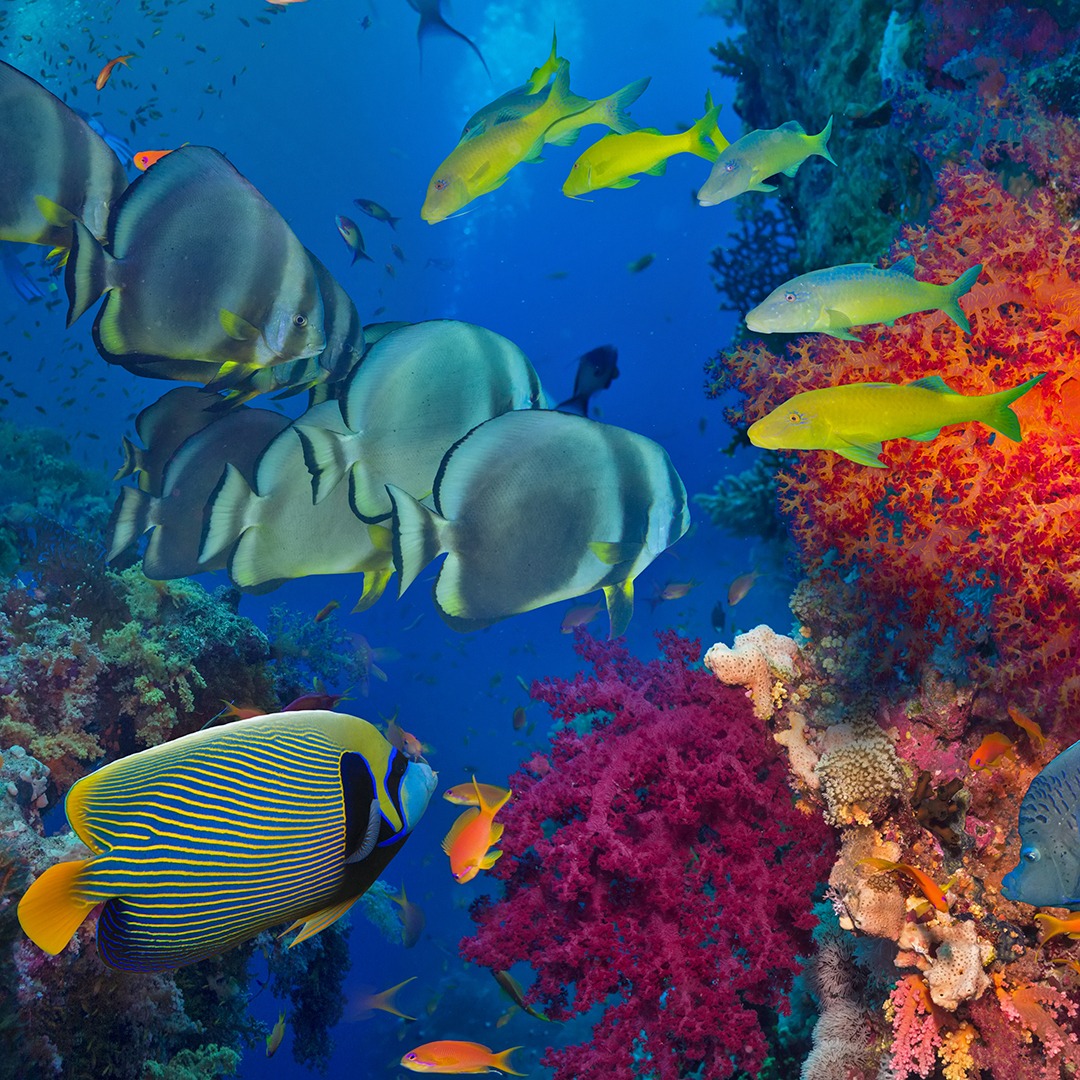
Understanding the ocean’s ecosystem helps underscore the interconnectedness of our planet. For instance, marine species and terrestrial wildlife rely on one another for survival. Coral reefs, often termed the “rainforests of the sea,” are not only biodiversity hotspots but also serve as crucial barriers that protect coastlines from erosion. The well-being of land-dwelling species like sea turtles and migratory birds depends heavily on healthy marine environments. These connections highlight that a healthy ocean is essential for biodiversity and wildlife conservation.
Climate change poses significant threats to marine ecosystems. Rising sea temperatures, ocean acidification, and changes in sea level dramatically impact marine life. Coral reefs, highly sensitive to temperature changes, experience bleaching and degradation, leading to the decline of numerous marine species. Furthermore, ocean acidification—resulting from increased CO2 levels—is detrimental to shellfish and other calcium-dependent organisms. These shifts in marine environments have cascading effects on food webs, significantly impacting terrestrial ecosystems and ultimately human livelihoods.
The importance of conservation efforts cannot be overstated. Protecting the ocean requires coordinated actions to mitigate climate change and promote sustainable practices. Various international agreements, such as the Paris Agreement, aim to reduce greenhouse gas emissions. Actions to create marine protected areas (MPAs) also play a key role in safeguarding marine biodiversity and ecosystems. Well-managed MPAs allow habitats to recover and provide refuge for numerous marine organisms. Ultimately, these conservation initiatives not only help stabilize the ocean’s health but also contribute to global climate resilience.
Individuals can have a significant impact in protecting ocean health. Simple actions can create a collective benefit for the blue planet. Reducing plastic use, supporting sustainable seafood choices, and advocating for clean water initiatives are ways that individuals can engage in ocean conservation. Awareness campaigns and educational programs targeting communities can amplify these efforts. By fostering a passion for ocean health, awareness grows, leading to stronger advocacy for policies that support sustainable marine practices.
The ocean is incredibly vital to our planet, influencing both climate and all forms of life. Therefore, protecting it becomes a shared responsibility. Engaging in activities designed to lower environmental impact initiates meaningful change, highlighting the crucial ocean-climate connection. By embracing this responsibility, we set a precedent for future generations. Each step taken towards sustainability and conservation contributes to a broader mission of environmental stewardship and global health.
In summary, the ocean’s role as a climate regulator serves not only marine ecosystems but also every living organism on Earth. Understanding its interconnectedness with terrestrial ecosystems deepens our appreciation for the role it plays in stabilizing our climate. The challenges posed by climate change emphasize the urgent need for conservation efforts, while individual actions demonstrate that everyone can make a difference. Working together to protect our oceans ignites passion for our blue planet and signals a commitment to ensuring a healthy environment for all wildlife and future generations.
*****
Source Description
🌊 “For the globe as a whole, the ocean is the great regulator, the great stabilizer of temperature.”
– Rachel Carson
At Rolling Hills Zoo, we know that every ecosystem is connected, and a healthy ocean means a healthier planet for all wildlife, from the depths of the sea to the heart of the prairie. 💙
This @worldoceanday, let’s grow support for the vital ocean-climate connection and ignite a passion for protecting our blue planet — because saving wildlife starts with us. 🌍
Take action: www.WorldOceanDay.org
