
- Introduction to the Wildlife Conservation Society (WCS) and its parks.
- Overview of California sea lions and their natural habitat.
- Importance of sea lion care and feeding practices at WCS parks.
- Educational opportunities and conservation efforts at Queens Zoo.
- Impact and significance of engaging the public with marine life conservation.
The Wildlife Conservation Society (WCS) has made great strides in wildlife preservation. Established in 1895, WCS manages five parks in New York City, each contributing significantly to conservation efforts. At these parks, visitors can learn about diverse species, from mammals to exotic birds. Central Park Zoo, Bronx Zoo, Queens Zoo, Prospect Park Zoo, and New York Aquarium offer a plethora of educational and recreational opportunities to engage the community in wildlife protection.
Among the various species housed at the WCS parks, California sea lions hold a special place. These intelligent marine mammals are known for their playful behavior and have become iconic in American zoos and aquariums. Native to the western coast of North America, California sea lions primarily inhabit the coastal waters of California and the Pacific Northwest. They thrive in temperate marine environments and are adept swimmers, capable of reaching speeds up to 25 miles per hour. Their diet consists mainly of fish and squid, aligning with their natural role as predators in oceanic ecosystems.
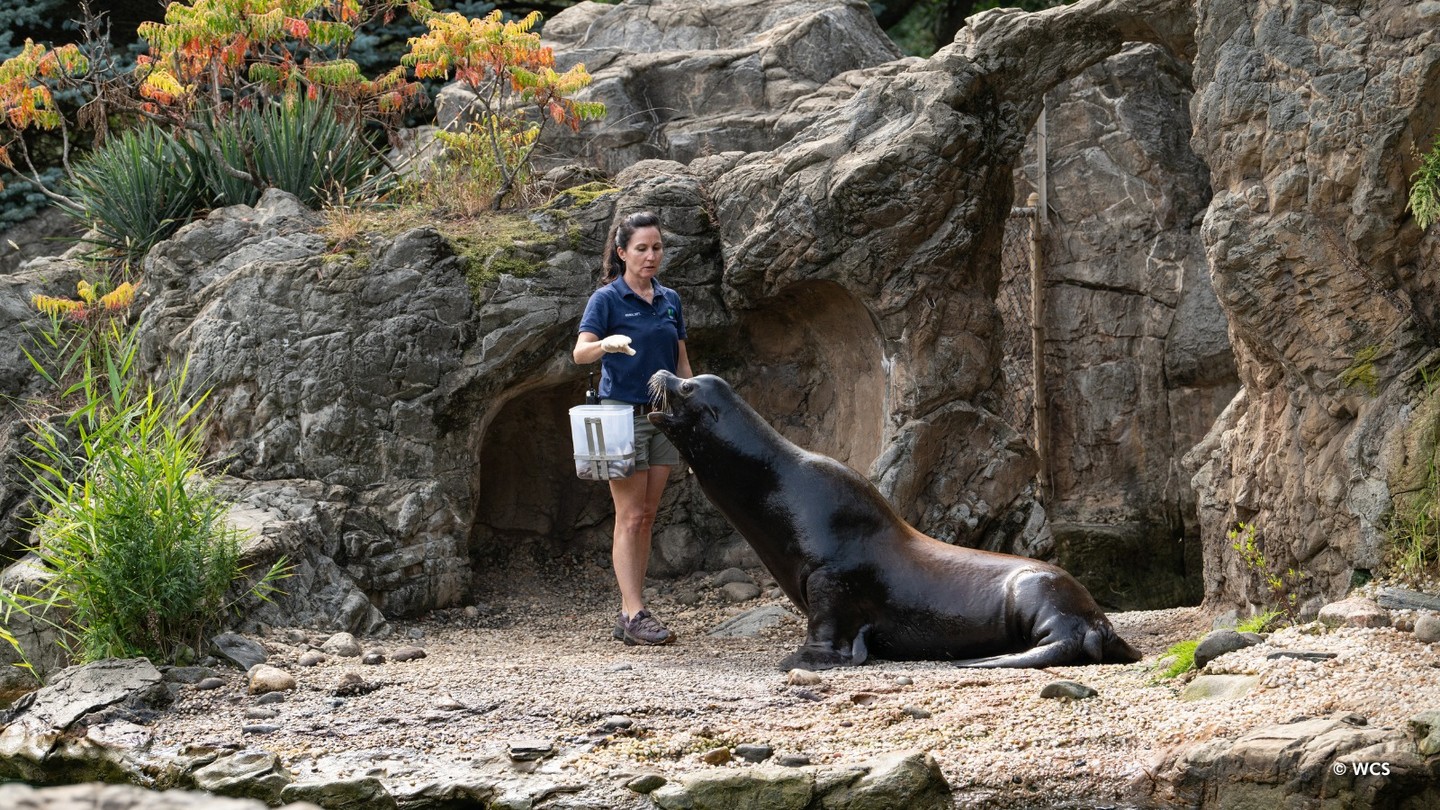
Caring for sea lions in zoos requires a deep understanding of their biology and natural behaviors. The animal care team at WCS employs comprehensive strategies to maintain their health and well-being. Daily feeding sessions at Queens Zoo, held at 11:15 am, 2:00 pm, and 4:00 pm, provide both enrichment for the sea lions and educational value for visitors. During these sessions, the care team discusses the dietary needs of the sea lions and demonstrates training techniques that stimulate their mental and physical capacities. Such engagements are crucial in fostering a connection between the public and wildlife.
The Queens Zoo, part of the WCS network, plays an instrumental role in marine life education. Through interactive exhibits and live demonstrations, visitors are encouraged to appreciate the intricacies of marine ecosystems. The feeding sessions are particularly popular, offering an interactive platform for discussing broader conservation topics. These include the impacts of ocean pollution, overfishing, and climate change on marine species, emphasizing the importance of individual actions in conservation.
Public engagement is critical to wildlife preservation efforts. By providing firsthand experiences with sea lions, WCS helps instill a sense of responsibility toward environmental stewardship. The interactive learning approach adopted by the Queens Zoo ensures that visitors leave with not only fond memories but also a deeper understanding of marine conservation. The continued survival of species like the California sea lion hinges on robust conservation efforts, active public involvement, and education.
The presence of sea lions at all five WCS parks serves as a testament to the organization’s commitment to biodiversity and conservation. Through entertaining and educational exhibits, WCS works tirelessly to protect these remarkable creatures and foster a public connection to nature. By engaging visitors in meaningful experiences with sea lions, WCS inspires action and awareness, encouraging a collective effort to safeguard our natural world.
*****
Source Description
Happy Did you know we have sea lions at all five WCS parks: the Central Park Zoo, Bronx Zoo, Queens Zoo, Prospect Park Zoo, and New York Aquarium? Join us daily at the Queens Zoo for sea lion feeding sessions held at 11:15 am, 2:00 pm, and 4:00 pm to learn more about our California Sea Lions from our animal care team.
