
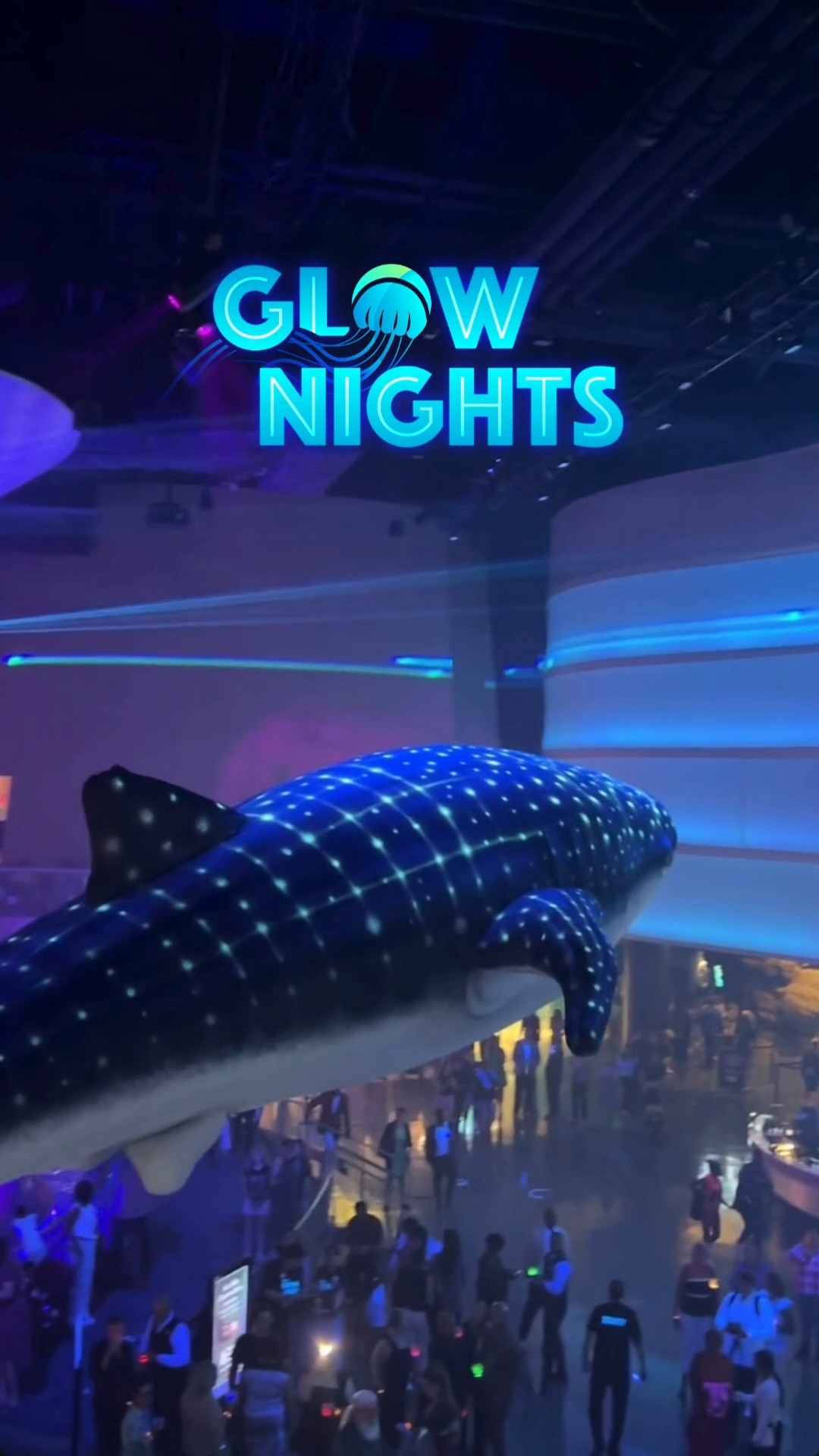
- The Phenomenon of Glow Nights and Bioluminescence
- The Impact of Glow Nights on Local Wildlife
- Safety, Conservation, and Responsible Wildlife Viewing
- Practical Tips for Enjoying Glow Nights
- The Future of Glow Nights and Community Engagement
The Phenomenon of Glow Nights and Bioluminescence
After 4 p.m., the ocean transforms into a dazzling display of light during Glow Nights. This phenomenon is primarily attributed to bioluminescence, a natural process where living organisms produce light. This remarkable ability is most commonly seen in marine organisms like certain species of jellyfish, dinoflagellates, and deep-sea fish. Bioluminescence serves various ecological purposes, including attracting mates, deterring predators, and luring prey.
In addition to its biological functions, bioluminescence enchants visitors in coastal areas by creating stunning visual experiences. When disturbed, these organisms emit light, forming a spectrum of glowing colors in the water. Observing this spectacle allows visitors to appreciate the complexities of marine ecosystems and the species that inhabit them.
The scientific basis of bioluminescence involves a chemical reaction that occurs in specialized cells. The two main components involved in this reaction are luciferin, a light-emitting compound, and luciferase, an enzyme that catalyzes the reaction. Factors such as temperature and water chemistry can influence the intensity and visibility of the bioluminescent light. As a result, the best time for viewing these organisms is often in warm, calm waters after sunset.
The Impact of Glow Nights on Local Wildlife
While Glow Nights offer stunning views for human spectators, they also have implications for local wildlife. Increased human presence in coastal areas can potentially disturb marine habitats. Scientific studies indicate that some species may experience stress due to noise and light pollution, which can disrupt their natural behaviors.
Educational efforts surrounding Glow Nights aim to foster a deeper connection between humans and wildlife. Organizations often implement programs to teach visitors about the benefits of marine conservation. By understanding local ecosystems, attendees can become advocates for responsible wildlife viewing. It is crucial to approach Glow Nights with an awareness of the delicate balance between enjoyment and conservation.
Additionally, marine species that thrive in low-light conditions are particularly susceptible to disturbance. For instance, nocturnal species may alter their foraging and mating behaviors due to the artificial lights brought by crowds. Understanding these dynamics can empower visitors to engage with the environment thoughtfully and respectfully.
Safety, Conservation, and Responsible Wildlife Viewing
Participating in Glow Nights requires a commitment to safety and conservation practices. Coastal environments can pose risks due to variables like tides, wave action, and wildlife interactions. When attending Glow Nights, individuals should prioritize their safety and be aware of the local environment. Information on tide schedules, potential hazards, and wildlife should be reviewed in advance.
Conservation efforts are increasingly becoming integrated into Glow Nights. Many organizations advocate for practices that minimize negative impacts on marine ecosystems, promoting “Leave No Trace” ethics. This approach encourages visitors to take personal responsibility for their environmental footprint. Apart from individual actions, community initiatives aimed at improving marine health play a vital role in sustaining the ecosystems underpinning Glow Nights.
Community engagement highlights the importance of marine conservation. Local organizations often coordinate beach clean-ups, habitat restoration projects, and educational workshops. By contributing to these efforts, attendees can strengthen their connection to the ocean and advocate for its protection. As awareness of conservation issues grows, Glow Nights can become platforms for broader discussions on ecological sustainability.
Practical Tips for Enjoying Glow Nights
To maximize the Glow Nights experience while practicing responsible viewing, it’s beneficial to follow practical tips. First and foremost, prepare for the evening by dressing appropriately for the weather and bringing essentials like flashlights, blankets, and water. While artificial lights can diminish the bioluminescent effect, a small flashlight with a red filter can help maintain night vision.
Photographic equipment should be selected with care. Standard smartphone cameras may struggle to capture the glowing spectacle, but long-exposure photography can yield stunning results. Attendees should remember to respect the marine environment during photography, avoiding intrusive behaviors that could disturb wildlife.
Moreover, sticking to designated pathways and areas helps protect sensitive habitats. Knowledge of local rules and regulations ensures that human activity aligns with conservation efforts. Visitors interested in learning more can seek out guided tours run by local experts. These guides typically provide insights into the area’s flora and fauna while ensuring compliance with conservation measures.
The Future of Glow Nights and Community Engagement
Looking ahead, the future of Glow Nights appears promising. As public interest in marine conservation grows, community-focused events are likely to expand. Engaging local stakeholders through education initiatives can further promote awareness about the ecological significance of bioluminescence and its role in marine ecosystems.
Innovative programs will also enhance participation in Glow Nights. Partnerships with scientific institutions might lead to exciting educational programs that stress the importance of marine biodiversity. These collaborations could yield new research findings that delve deeper into the ecological implications of bioluminescence, fostering a greater appreciation for the ocean and its inhabitants.
The integration of technology can also serve as a tool for enhanced public engagement. Mobile applications focused on marine education and safety could make information readily accessible. By making data on bioluminescent species and local ecosystems available, organizations can equip visitors with knowledge that enhances their experience while promoting environmental stewardship.
In summary, Glow Nights brings together the beauty of nature and the wonder of the ocean. Learning about bioluminescence is an enlightening journey that fosters an appreciation for marine life. By blending education and enjoyment, we can cultivate a community committed to safeguarding our oceans and ensuring that future generations can experience the brilliance of Glow Nights.
*****
Source Description
The brightest lights for Glow Nights 🌟 The ocean comes alive after 4 p.m. every evening for unforgettable summer memories.
And the best part? $10 off general admission after 4 p.m. from now until August 17! 🪼
