
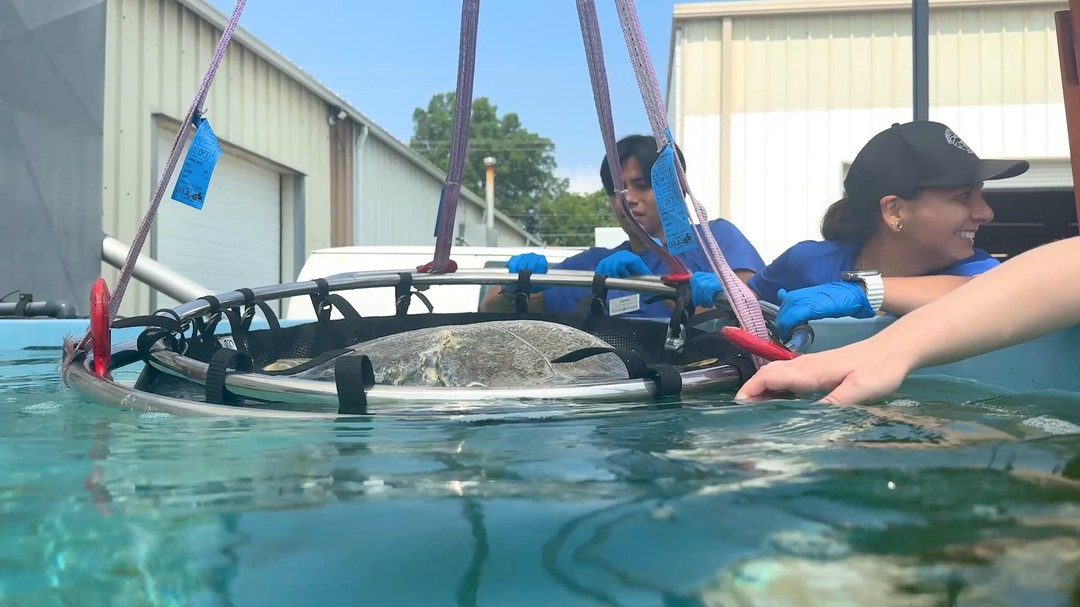
- Oscar’s journey: from rescue to rehabilitation
- The importance of sunlight for turtles
- Care and management of a Green Sea Turtle
- Challenges faced in turtle conservation
- The role of education in wildlife preservation
Oscar, our rescued Green Sea Turtle, marks a significant addition to our conservation efforts. Weighing in at a remarkable 161 pounds, Oscar has had a long road to recovery. Recently, a well-trained team of care specialists transferred him to an outdoor system where he can benefit from direct sunlight during the summer months. This move is not just a joyful occasion; it also serves to highlight the multifaceted approach needed for the care of such remarkable creatures.
Oscar’s journey began when he was found stranded, suffering from malnutrition and other health challenges. The details of his rescue provide insights into the crucial role that human intervention can play in wildlife recovery. Upon arrival at our facility, a comprehensive medical assessment was performed. The veterinary team focused on addressing his immediate health issues, which included a thorough examination and nutritional rehabilitation to build his strength and resilience. His care has involved extensive treatment plans to recover from dehydration and to bolster his immune system.
The importance of sunlight for turtles cannot be overstated. Sunlight is crucial not only for metabolic processes but also for vitamin D synthesis. Turtles, much like other reptiles, require exposure to ultraviolet light to help process calcium and maintain healthy shells and bones. When Oscar basks in the sun’s rays, he engages in a natural behavior that is vital for his overall health. This sun exposure promotes psychological well-being as well, allowing the turtle to exhibit behaviors intrinsic to his species.
In our outdoor system, Oscar enjoys a habitat designed to simulate his natural environment as closely as possible. The aquatic enclosure is filled with clean seawater, offering sufficient space for swimming and foraging. Additionally, sandy areas mimic the nesting sites found in the wild. This meticulous design aims to create an environment conducive to Oscar’s rehabilitation while preparing him for potential reintroduction into the wild.
Caring for a Green Sea Turtle like Oscar presents unique challenges. Rehabilitation programs require comprehensive knowledge of their biology and behavior. For instance, it’s essential to monitor their diet closely and ensure they receive essential nutrients, including seaweed and small fish. This approach not only restores physical health but also reinforces natural feeding behaviors. Regular health monitoring is crucial, requiring significant training for staff to identify potential issues early.
Moreover, the broader challenges in turtle conservation are daunting. Green Sea Turtles are listed as endangered due to habitat loss, climate change, and the impact of pollution. Marine debris, particularly plastic waste, poses a severe risk to their survival, often resulting in ingestion or entanglement. Conservation initiatives must address these issues through a combination of clean-up efforts, legislation, and public awareness campaigns.
Education emerges as a fundamental pillar in wildlife preservation, particularly for species like Oscar. Engaging communities—especially young people—fosters a sense of stewardship and responsibility for marine environments. Educational programs can emphasize the ecological importance of sea turtles and the threats they face, inspiring the next generation to take proactive steps in conservation efforts. By teaching sustainable practices, we can mitigate human impacts on turtle populations and their habitats.
Public participation plays a significant role in conservation. Community involvement in beach clean-ups, advocacy for marine protection policies, and engaging in responsible tourism are all ways to support the recovery of species like Oscar. The collaborative nature of these efforts illustrates how individuals can contribute to the greater aim of wildlife preservation. Simple actions, when multiplied across communities, can have a profound impact.
Beyond education, advanced research is crucial to understanding and enhancing conservation strategies for Green Sea Turtles. Tracking technologies, like satellite tagging, allow scientists to glean insights into their migratory patterns, feeding habits, and habitats. This data is invaluable in formulating effective management plans that adapt to the needs of these turtles and their environments.
Oscar’s story is a reflection of both hope and the continued struggle for turtle conservation. When he basks in the summer sun, it symbolizes resilience and the combined efforts of professionals and volunteers striving for healthier marine ecosystems. His journey from rescue to rehabilitation illustrates the necessity of hands-on care and the integration of scientific knowledge with public engagement.
The collective effort to help Oscar and other turtles serves a larger narrative about our responsibility to safeguard marine life. Through informed action and community involvement, we can promote the health of the oceans and ensure future generations have the privilege of experiencing these incredible animals.
In the ongoing battle against threats posed to marine ecosystems, each initiative taken carries significant weight. Legislative changes aimed at protecting nesting sites, reducing pollution, and enhancing marine conservation areas are all essential to fostering a supportive environment for turtles like Oscar. Rehabilitating Oscar is not just a project; it is a part of a larger mission to restore balance and ensure the survival of these pivotal species.
As Oscar continues to thrive in his outdoor system, he reminds us of how interconnected our worlds are. His experience as a rescued Green Sea Turtle embodies the challenges faced by countless marine species today. Observing him in the sun, we recognize the broader implications of restoration, reminding us that every action contributes to the overarching goal of wildlife conservation.
Oscar’s future remains bright, illuminated by our collective commitment to provide him the care and resources he needs. His presence in our facility acts as an ambassador for his species. Every visitor who learns about Oscar will carry away knowledge that can spark further curiosity and advocacy. That ripple effect has the potential to lead to significant changes in how communities manage their coastal ecosystems.
Through the combined efforts of dedicated care specialists, engaging education programs, and scientific research, we can pave the way to a sustainable future for Green Sea Turtles. Oscar’s journey emphasizes the importance of practicing conservation daily. His story drives home the vital message that protecting these magnificent beings requires more than just care; it requires a partnership between science, education, and community action.
By investing in the health of individuals like Oscar, we invest in the future of their entire species. This is a journey worth taking, as we work together to navigate the challenges that lie ahead, one turtle at a time.
*****
Source Description
Our rescued Green Sea Turtle, Oscar, is back out in the sun for the summer months! A well-rehearsed team of care specialists recently moved this loveably plucky, 161-pound reptile into his outdoor system, where he’ll reap the many health benefits of basking in the sunlight during the warm parts of the year!
