
- The role of owls in ecosystems and their unique adaptations
- Characteristics and behaviors of the Eurasian eagle-owl
- The importance of owl conservation and threats to their survival
- Cultural significance of owls across various societies
- The experiences and care of owls in captivity
Owls play a crucial role in maintaining the balance of ecosystems. They are natural predators, controlling rodent populations and other small mammals. Their unique adaptations allow them to thrive in diverse habitats, from forests to deserts, exhibiting skills that make them effective hunters. With a keen sense of vision and hearing, owls can locate prey in darkness. These characteristics are particularly well-bodied in species like the Eurasian eagle-owl.
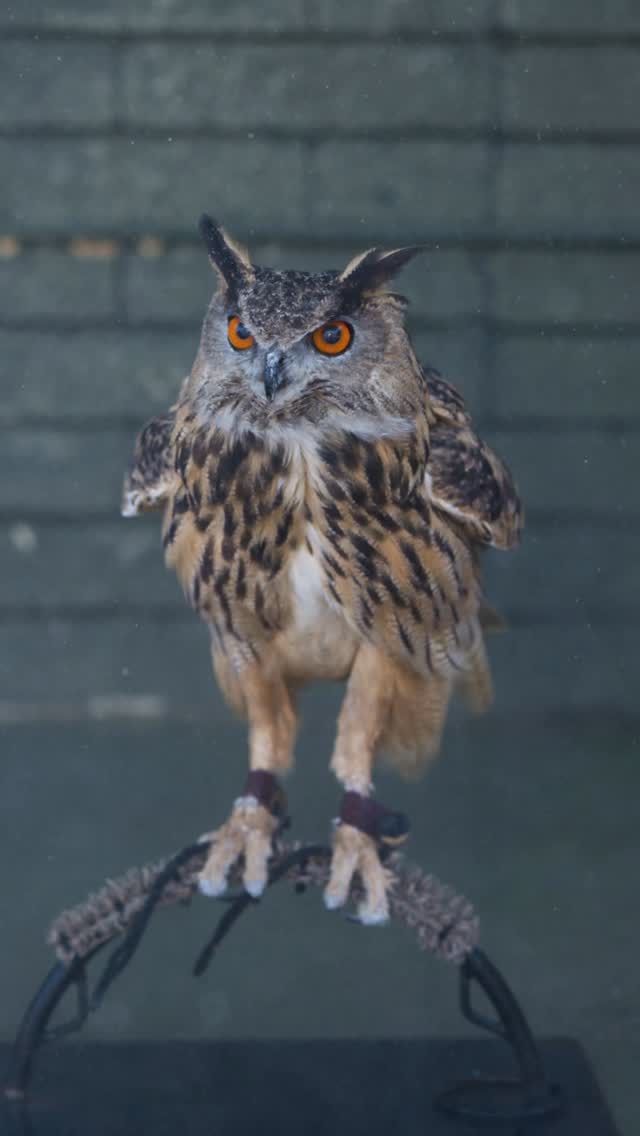
The Eurasian eagle-owl (Bubo bubo) is one of the largest owls in the world. This majestic bird boasts striking orange eyes, which are not just for show; they enable the owl to see well at dawn and dusk. This species is a powerful nocturnal predator, using a combination of acute senses to capture its prey. Its camouflage is remarkable, blending seamlessly with the rocky outcrops and woodlands it often inhabits.
Thick plumage not only aids in stealth but also provides insulation. The feathers are designed with soft fringes that reduce sound, allowing the eagle-owl to swoop down silently on unsuspecting prey. This silent flight is a critical trait for hunting, enabling the owl to be effective even in areas with dense vegetation.
However, despite their impressive adaptations, owls face numerous challenges in their habitats. Urbanization, habitat destruction, and climate change have spurred a decline in owl populations across the globe. Encroachment on their natural habitats disrupts hunting grounds and nesting sites. Many species are now classified as threatened or endangered.
Owl conservation is therefore a pressing concern. Conservation organizations focus on habitat restoration and public education about the importance of these birds. The Eurasian eagle-owl, in particular, benefits from targeted efforts, as more awareness leads to better protection in various environments. By preserving their natural habitats and implementing sustainable practices, we can help ensure the survival of these remarkable birds.
Culturally, owls have held significant meanings in various societies throughout history. In ancient Greece, owls were associated with the goddess Athena, symbolizing wisdom and knowledge. This cultural significance has persisted, as owls often feature in literature, folklore, and even modern media, portraying them as symbols of insight or mystery. The duality in their representation showcases the public’s fascination with these birds.
The experience of caring for owls in captivity differs from that of observing them in the wild. Institutions like wildlife rehabilitation centers and zoos focus on providing the best possible habitats for these birds. Staff members must be knowledgeable about their dietary needs, social behaviors, and environmental conditions required for their well-being.
In captivity, owls such as Archimedes, the Eurasian eagle-owl, can serve as ambassadors for their species. Public engagement through educational programs highlights conservation efforts. People can learn about the ecological roles owls play and the threats they face, fostering a deeper appreciation for wildlife.
Captive breeding programs also play an essential role in species recovery. They help maintain genetic diversity while facilitating reintroduction initiatives into the wild. These programs are instrumental in educating the public about the importance of protecting owls and their habitats. Through engaging narratives, attendees can see firsthand the need for conservation.
Educational outreach, whether through institutions or community programs, enhances public knowledge about owls and their significance. Sharing information about their behaviors, adaptations, and conservation efforts creates a community of informed individuals who can advocate for wildlife protection.
Public engagement relies on storytelling and active participation. Owl watch events, workshops, and educational talks draw interest. People, especially children, gain enthusiasm for protecting nature through these experiences.
While owls intrigue many, it is vital for everyone to understand the broader environmental context. Protecting these birds goes hand in hand with protecting their habitats. Education empowers individuals to take action, whether by reducing pesticide use, supporting local conservation efforts, or simply spreading awareness.
Owls are remarkable creatures that captivate our imaginations while also contributing significantly to our ecosystems. By recognizing their unique attributes and the challenges they face, we foster a culture that values biodiversity. Embracing these values helps create stronger, healthier ecosystems.
Archimedes, our Eurasian eagle-owl, embodies the wonders of this avian family. With its vibrant orange eyes and impressive wingspan, it exemplifies the adaptations that make owls such successful hunters. Observing such a majestic bird up close instills respect and admiration for these raptors.
Owls remind us of the delicate balance required for nature to flourish. Their unique adaptations not only facilitate survival but also highlight the intricate relationships among species. By protecting owls, we also protect the myriad of life forms within their ecosystems.
This interdependence underlines the importance of conservation efforts. Engaging in owl-related initiatives fosters ecological stewardship at all levels. Working together can lead to positive outcomes, ensuring that birds like Archimedes continue to thrive in their natural habitats.
To promote awareness, social media platforms and community events are increasingly used. Educational videos showcasing owls in their environments captivate audiences. People share their experiences, encouraging discussions about wildlife conservation and inspiring collective action.
Through these initiatives, owls become more than just creatures of the night. They serve as symbols of ecological health, illustrating the importance of biodiversity. Federated conservation efforts, community involvement, and educational outreach result in a better understanding of owls and their roles within our ecosystems.
So, whooooooo’s aware of how cool owls are? As we learn more about their environmental contribution, adaptations, cultural significance, and the urgent need for conservation, it becomes clear that owls are vital creatures deserving of our attention and protection. By fostering an appreciation for these birds, we strengthen our connection to nature and commit to preserving the intricate web of life they are a part of.
Engaging in owl conservation means acting locally while thinking globally. Every small effort counts, whether that involves volunteering with a local wildlife group, attending educational sessions, or simply sharing information with friends and family.
A collective mindset fosters a sustainable future for these birds and their habitats. Every action, no matter how minor, contributes to a broader conservation impact, helping owls thrive for generations to come. The responsibility lies with us to ensure that when future generations look up into the night sky, they can still catch a glimpse of these mesmerizing birds, watching over our ecosystems with their vibrant eyes.
*****
Source Description
Whooooooo’s aware of how cool owls are? 🦉
Archimedes, the Eurasian eagle-owl, received a nice shower to cool off in this heat! This species is known for its vibrant orange eyes, which are used to hunt during the low light hours during dusk and dawn.
