
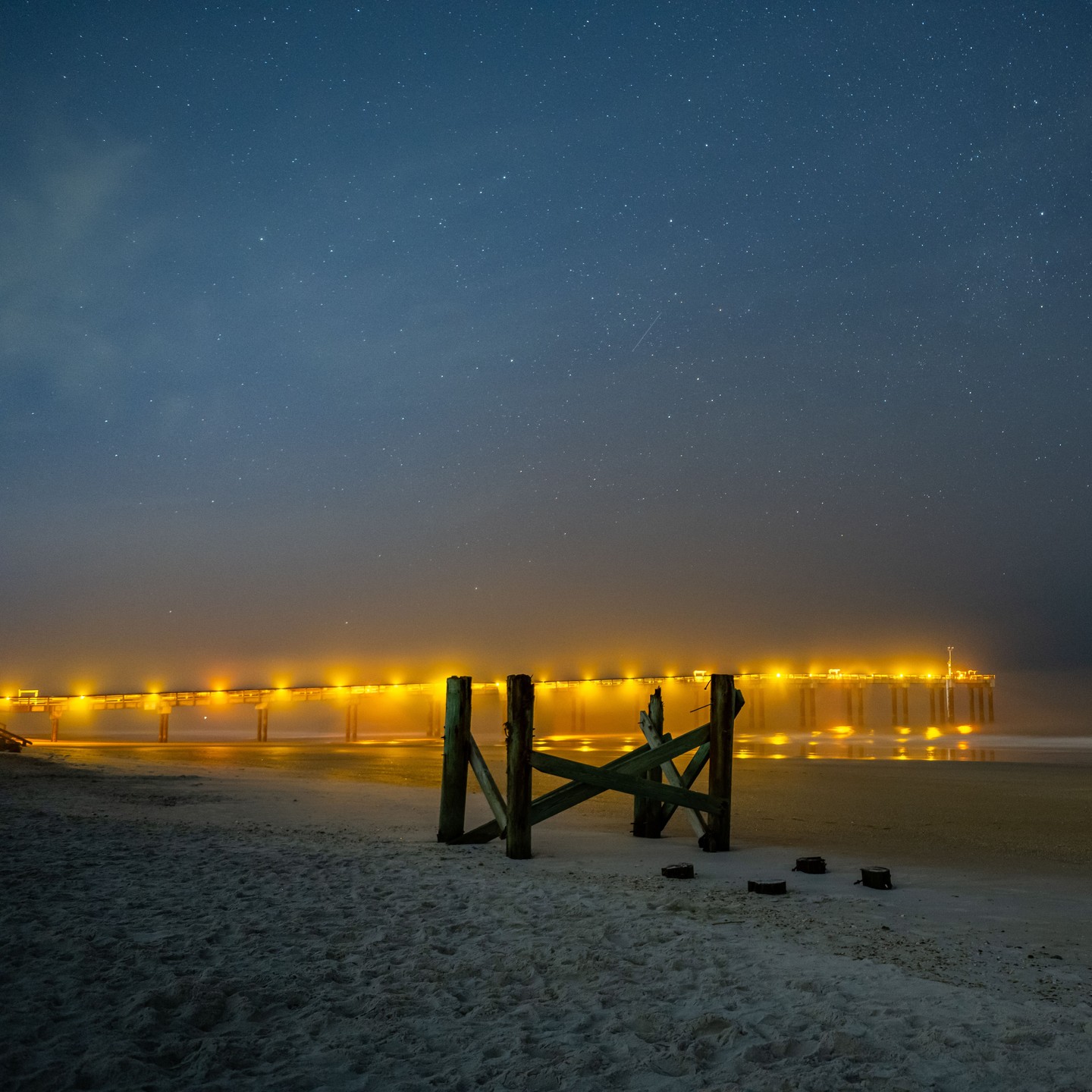
- The impact of light pollution on wildlife and their behaviors.
- How artificial lighting affects migration patterns and feeding habits.
- Specific case studies of animals affected by light exposure.
- Strategies to mitigate light pollution in urban environments.
- The role of community initiatives, like @lightsoutbaltimore, in reducing light pollution.
The impact of light pollution on wildlife and their behaviors is profound and often underestimated. Artificial lighting alters natural environments, disrupting the ecological balance in ways that can have cascading effects. Species that depend on the natural light cycle for survival face challenges when their habitats are illuminated by streetlights, billboards, and other forms of artificial light. Many nocturnal insects, for example, are drawn to bright lights, leading them away from their natural habitats. This can result in decreased populations of these insects, which play critical roles in pollination and serving as food for other animals.
Light pollution also interferes with predation and feeding behaviors. For example, many amphibians, including frogs, are affected by bright lights that change the nighttime environment. These animals rely on darkness for hunting and mating. Bright lights can cause them to become disoriented or lead them to dangerous areas. The consequences extend even to species such as sea turtles, whose hatchlings instinctively head towards the brightest light source. In natural settings, this light source is the moon reflecting on the ocean. In urban settings, artificial lights can lead hatchlings inland instead of toward the sea, greatly decreasing their chances for survival.
Migration patterns are directly influenced by artificial lighting. Many birds depend on celestial cues for navigation during their migratory journeys. The confusion caused by bright streetlights complicates their flights, often leading to accidental collisions with buildings and towers. Various studies indicate that bright lights at key migration points can cause birds to alter their routes, affecting breeding success and long-term population viability. The consequences of light pollution on these migratory habits can be irreversible for entire species.
Specific case studies highlight the extent of light pollution’s effects on different animals. For instance, the Pacific Loggerhead Sea Turtle is particularly susceptible. After hatching, these turtles should naturally move toward the ocean, yet many are misled by urban lighting conditions, leading to increased mortality rates. Similarly, the migratory patterns of the Blackpoll Warbler have been altered due to artificial lighting in urban habitats, disrupting their feeding and breeding. Both case studies serve as evidence of how deeply intertwined artificial light is with wildlife survival.
Mitigating light pollution requires a coordinated effort within urban environments. Strategies include implementing motion sensors for outdoor lighting, using shields on fixtures to direct light downward, and encouraging streetlights with lower color temperatures that mimic the natural colors of the moon. Public awareness campaigns can educate residents about the importance of reducing unnecessary nighttime lighting and the benefits that come with it. Community efforts can culminate in measurable changes, improving the well-being of not just wildlife but people living in these spaces.
Community initiatives like @lightsoutbaltimore have gained traction in advocating for reduced nighttime lighting, especially during migration months, which typically span April, May, September, and October. These campaigns inform local residents and businesses about the ecological significance of turning off non-essential lights, thereby allowing wildlife to thrive. The impact of each individual’s effort can be substantial in achieving a larger goal of mitigating light pollution.
By turning off non-essential lights, communities create safer environments for migratory birds and other wildlife. This simple act fosters a more balanced interaction between urban life and natural ecosystems. Rather than merely viewing bright cities as a sign of progress, communities can understand their responsibility toward wildlife and the environment at large.
In conclusion, the need to address light pollution as an ecological issue is clear. Understanding its impact on species behaviors, migration patterns, and species survival opens the door to meaningful action. Collaborative initiatives and individual responsibility will be key to creating wildlife-friendly urban spaces. Every effort counts in safeguarding the way of life for various species affected by human actions. The interplay between ecology and urbanization needs careful consideration. By acknowledging our role in light pollution, wildlife can be better protected, ensuring that frogs remain at your doorstep, flies gather on the streetlamp, and sea turtles receive the chance to thrive on their natural shores.
*****
Source Description
Have you ever wondered why you can find flies on a streetlamp, frogs on your doorstep or sea turtles inland? Light pollution challenges many species’ way of life. Some animals are attracted to light because of its similarity to the sun or moon, which may negatively affect their natural rhythms. No matter where you live, mitigating light usage during the night can help wildlife from being in places where they shouldn’t be and avoid harmful human-wildlife interactions.
@lightsoutbaltimore encourages local residents and businesses to turn off non-essential lights during migration months (April, May, September and October).
