
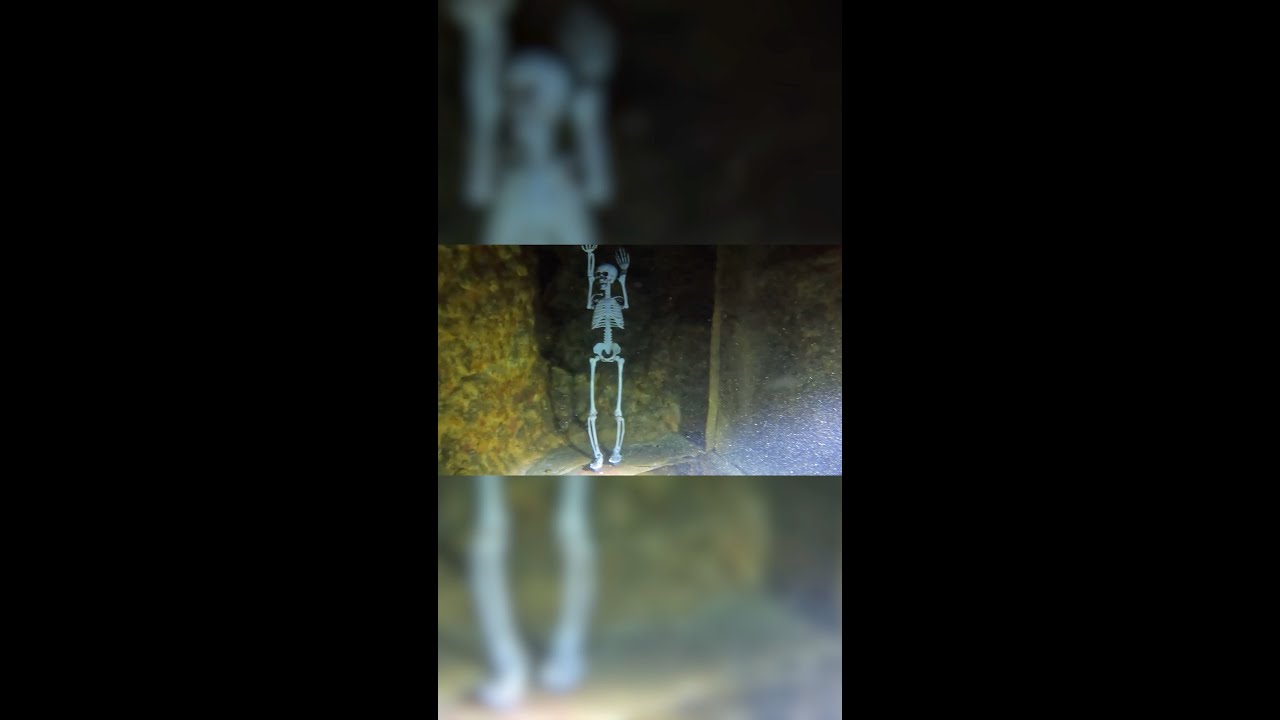
- Exploring the unique design and structure of the Giant Ocean Tank’s coral reef.
- The ecological significance and role of artificial coral reefs in marine conservation.
- Insights into the management and maintenance of large-scale aquarium exhibits.
- Contributions of coral reef exhibits to public education and awareness.
- Challenges and solutions in replicating marine ecosystems within controlled environments.
The mesmerizing Giant Ocean Tank features an intriguing design: the coral reef inside it is hollow. This architectural approach offers numerous benefits, including improved water circulation, enhanced viewing, and greater habitat diversity for marine life.
The hollow structure’s design is not just an engineering marvel but also a vital component for the health and sustainability of the marine ecosystem inside the tank. By permitting optimal water flow, the design ensures that all resident species, from vibrant fish to delicate corals, have access to necessary nutrients and oxygen, thereby promoting healthier, more active organisms. This design also facilitates the maintenance of consistent water quality, crucial in replicating ocean conditions.
Artificial reefs, such as those within aquarium tanks, play a significant role in marine conservation. They provide sanctuary for numerous species, especially as natural reefs face threats from climate change, pollution, and overfishing. Artificial reefs help alleviate pressures on natural habitats by serving as breeding grounds and shelters, supporting biodiversity and enhancing resilience to environmental changes.
In terms of management, maintaining such an intricate ecosystem requires a comprehensive understanding of marine biology and an unwavering commitment to aquatic health. Professionals involved in zoo and aquarium management closely monitor pH levels, temperature, and salinity to mimic ocean conditions. Regular cleaning and inspection are essential tasks, as they prevent the build-up of potentially harmful algae and debris, ensuring the ecosystem remains balanced.
One of the primary roles of coral reef exhibits is education. By simulating these environments, zoos and aquariums offer the public a glimpse into the fascinating intricacies of marine life and the delicate balance required to sustain it. Interactive displays and guided tours provide visitors with deeper insights into the importance of coral reefs, fostering a connection to marine conservation efforts.
Replicating natural marine ecosystems within controlled settings presents numerous challenges. The construction of a hollow coral structure, while advantageous, requires advanced materials and innovative techniques to withstand pressure while maintaining the appearance of a natural reef. Additionally, the aquarium’s lighting systems are designed to support the growth of living corals and provide the aesthetic allure that captivates audiences.
Safety and well-being of marine life are prioritized. Adaptations and modifications are continually explored to improve habitat quality and sustainability within these artificial environments. The collaborative efforts between zoologists, veterinarians, marine biologists, and engineers are crucial in overcoming the technical hurdles associated with replicating the ocean’s ecosystem dynamics accurately.
Identifying and selecting the right species for the Giant Ocean Tank involves rigorous research. Compatibility, feeding requirements, and behavioral traits are considered to create a balanced community. This selection process is pivotal to developing a thriving aquatic environment that resonates with both educational value and ecological relevance.
The coral reef’s hollow design inside the Giant Ocean Tank exemplifies the intersection between innovative design and ecological necessity, providing a captivating, educational experience that emphasizes the importance of preserving our planet’s natural treasures.
*****
Source Description
While it looks like a thriving coral ecosystem, the reef structure is actually made of fiberglass and rubber that is supported by concrete slabs, columns, and even plumbing to help create natural water flow.
The reef has two access hatches (one tucked under the sand up top and one hidden in the cave below), which divers use several times a year to climb inside the reef for inspections and maintenance. Yep, they actually go inside!
And while this footage might look a little scary (perfect for Halloween 👻), don’t be fooled—our divers aren’t scared and there are definitely no skeletons in the reef. They’re just “tricking” you!
Happy Halloween from the Giant Ocean Tank! 💀
#HappyHalloween #CoralReef #GiantOceanTank
