
-
Understanding the biology and habitat of the Red Abalone, including its physical characteristics and ecological role.
-
Examining the threats to Red Abalone populations, focusing on environmental and human-induced factors impacting their survival.
-
Conservation strategies and efforts in place to protect and rebuild Red Abalone populations in their natural habitats.
-
The role of zoological institutions and marine conservation in supporting Red Abalone conservation and public education.
-
The significance of Red Abalone in cultural histories and the socioeconomic impact of their populations on local communities.
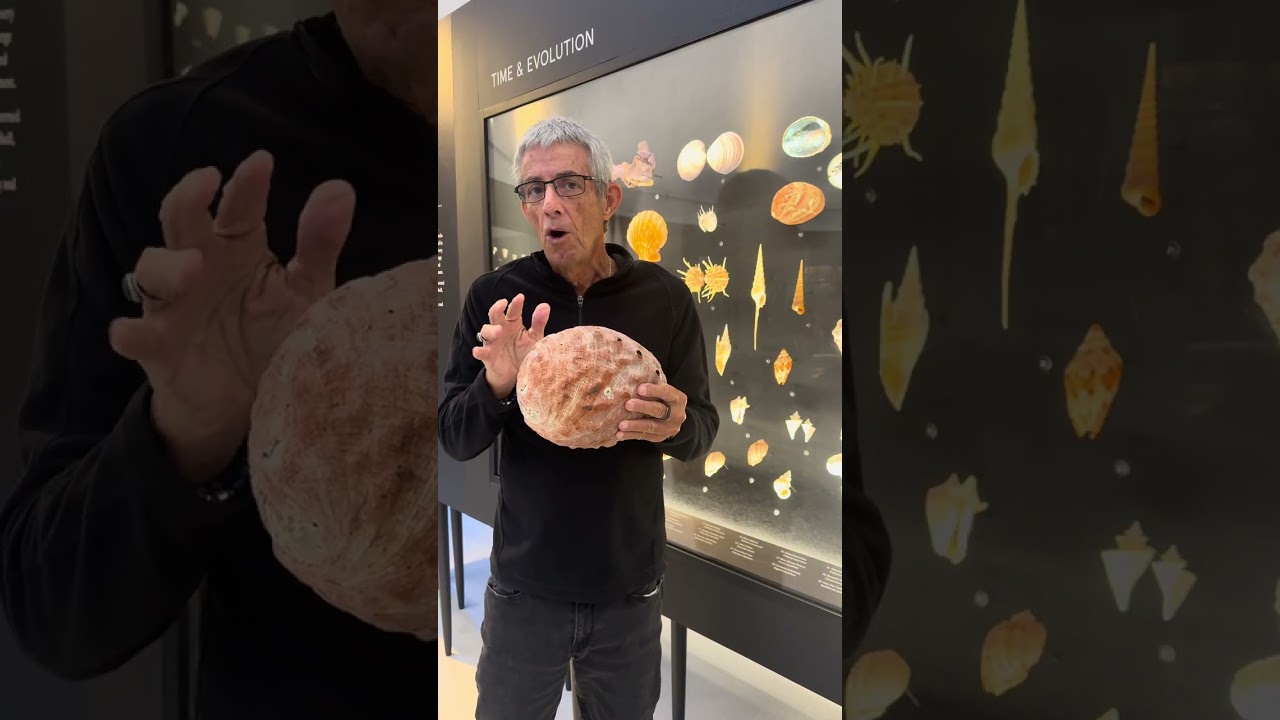
The Red Abalone, known scientifically as Haliotis rufescens, is a remarkable marine mollusk native to the coastal waters of California and Baja California. Characterized by its robust, dome-shaped shell with a vivid reddish hue, the Red Abalone stands out among shellfish for both its size and striking appearance. Shell lengths can measure up to 12 inches, making it the largest abalone species. Ecologically, these mollusks play a vital role in their habitats, contributing to the health of marine ecosystems by grazing on algae, which helps maintain kelp forest dynamics.
Occupying rocky coastal environments, Red Abalones prefer cool, nutrient-rich waters. They utilize their muscular foot to cling to rocky substrates, feeding primarily on macroalgae such as giant kelp and red algae. This feeding habit not only sustains their dietary needs but also supports the stability of kelp forest ecosystems. Their reproductive cycle involves broadcast spawning, where males and females release sperm and eggs into the water column, relying on environmental cues like temperature and day length for synchronization.
Red Abalone populations have faced significant threats over recent decades. Overfishing and poaching have severely depleted their numbers. Despite regulations, illegal harvesting continues to be a crucial issue. Environmental changes, including pollution and ocean acidification, also pose substantial threats by altering habitat conditions and food availability. Disease outbreaks, notably withering syndrome, have further compounded these pressures, reducing survival rates and impacting recovery efforts.
Protecting Red Abalone requires multifaceted conservation strategies. Marine Protected Areas (MPAs) have been crucial in mitigating overfishing impacts, offering refuges where populations can recover and thrive. Rigorous enforcement of fishing regulations and monitoring illegal activities are essential components of conservation efforts. Restoration projects involving captive breeding and reseeding programs have shown promise, aiding in population recovery by reintroducing young abalones to the wild.
Zoological and marine conservation institutions are pivotal allies in safeguarding Red Abalone. By conducting research, breeding programs, and public education campaigns, these organizations raise awareness and drive conservation initiatives. Educational outreach enhances public understanding of marine ecology and the importance of conserving species like Red Abalone. Aquariums and research facilities develop innovative breeding techniques, which are integral to reintroduction efforts.
Culturally, the Red Abalone holds significant value. Indigenous communities have used its shells for ornamental purposes and as currency through history. This connection highlights the ecological and socio-economic importance of preserving Red Abalone populations. Continued loss would not only disrupt marine ecosystems but also impact cultural heritage and economic opportunities reliant on sustainable marine resources.
In conclusion, the Red Abalone is an essential element of marine biodiversity, deserving attention and action to conserve its populations. By understanding its biological and ecological nuances, addressing threats, and fostering collaborative conservation efforts, we can protect and restore Red Abalone for future generations.
*****
Source Description
