
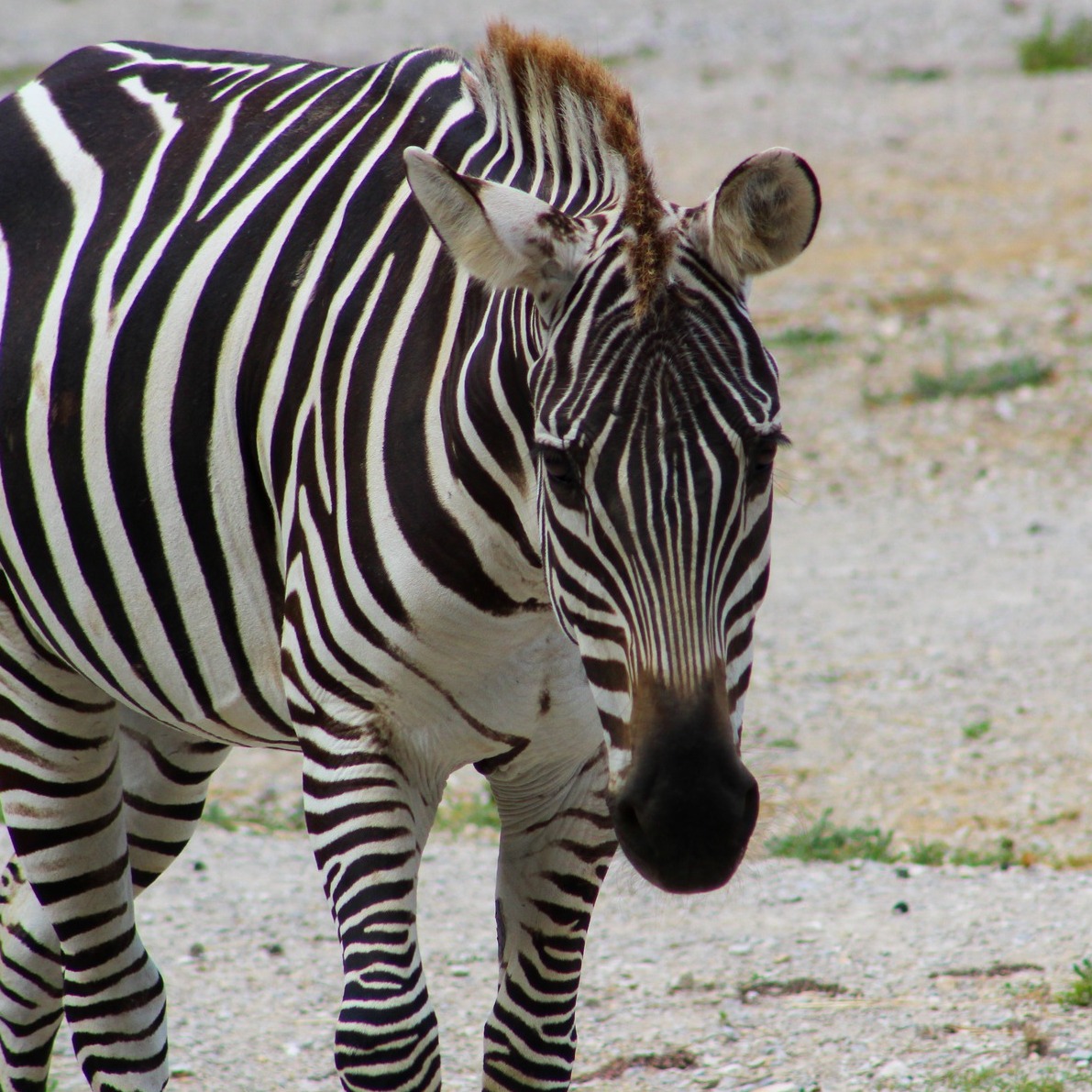
- Explore the distinctive physical attributes and habitats of the Grant’s Zebra.
- Investigate the differences between the three species of zebra and focus on the characteristics of the Grant’s Zebra.
- Examine the conservation efforts and challenges faced in protecting the Grant’s Zebra.
- Discuss the role of zoological gardens in Grant’s Zebra conservation and education.
- Highlight the ecological significance and behavioral traits of the Grant’s Zebra.
The Grant’s Zebra is a fascinating subject within the realm of zoology. As the smallest of the three zebra species, it is a remarkable creature with unique characteristics deserving of recognition and understanding. This article seeks to provide a detailed overview of the Grant’s Zebra, considering its physical attributes, habitat, conservation status, and its role in ecosystems.
One of the distinct features of the Grant’s Zebra is its physical characteristics. This species is the smallest among the zebras but not lacking in striking features. With bold black and white stripes, these zebras create an optical illusion that serves as a critical defense mechanism against predators. The stripe pattern is unique to each individual, much like human fingerprints, and offers excellent camouflage in the grasslands and savannas where they reside. Their coat plays a role in thermoregulation, reflecting heat and helping them endure the warm climates of East Africa.
The habitat of the Grant’s Zebra is predominantly the open plains and savannas of regions such as Kenya and Tanzania. These landscapes provide plentiful grass, which is the primary diet for the zebras. Unlike other zebra species, the Grant’s Zebra can venture into slightly harsher environments due to its ability to travel long distances in search of food and water. This adaptability ensures their survival across varying terrains, although they still face threats from encroachment and climate change.
When examining the differences between zebra species, the Grant’s Zebra stands out due to its size and stripe patterns. Besides the Grant’s Zebra, there are the Plains Zebra and the Grevy’s Zebra. The latter is noticeably larger with more slender stripes and a white belly, while the Plains Zebra is more robust, with wider stripes. Grant’s Zebras are part of the subspecies of the Plains Zebra, yet they are often noted for their smaller size and distinctive striping that fades toward their underbelly.
Grant’s Zebras play an essential role in their ecosystems. They are integral in maintaining the balance between predator and prey dynamics. As primary consumers, their grazing helps to shape the plant community, encouraging biodiversity. Their droppings provide essential nutrients that enrich the soil, promoting healthy plant growth. Moreover, they are a key prey species for predators such as lions and hyenas, making their presence crucial for the health of the food chain.
Conservation of the Grant’s Zebra involves addressing several critical challenges. Habitat loss due to human encroachment and agricultural expansion poses a significant threat. In some areas, they are hunted for their skin. Conservationists focus on creating protected reserves and promoting sustainable land-use practices. Education and awareness campaigns aimed at local communities emphasize the importance of preserving this species. Collaborative international conservation programs work to maintain genetic diversity and bolster population numbers, ensuring the Grant’s Zebra continues to thrive in the wild.
Zoological gardens contribute significantly to the conservation efforts for the Grant’s Zebra. These facilities provide safe environments for breeding programs, which help maintain healthy populations. By offering educational experiences, zoos raise awareness about the importance of conserving this species. Visitors learn about the ecological roles zebras play and the ongoing efforts required to protect them. Moreover, the research conducted in zoological settings enhances scientific understanding of their behavior, health, and genetics.
Behaviorally, the Grant’s Zebra is known for its social structure. They live in family groups called harems, typically consisting of a single stallion, multiple mares, and their offspring. The strong social bonds facilitate cooperative behaviors essential for protection against predators. Communication among group members is facilitated through vocalizations and physical gestures. The hierarchy within these groups ensures the stability of the herd.
The ecological significance of the Grant’s Zebra cannot be understated. Their grazing patterns play a substantial role in ecosystem maintenance. By consuming tough grasses, they allow softer grasses to grow, benefiting other herbivores. Additionally, as they move across the landscape, they help in seed dispersal, contributing to plant diversity.
The conservation of the Grant’s Zebra is an ongoing endeavor requiring a multifaceted approach. Strategies involving habitat preservation, legal protection, and scientific research are imperative. With the active collaboration of local communities, conservation organizations, and zoological institutions, efforts to safeguard the future of the Grant’s Zebra continue to make headway.
In conclusion, as we celebrate "Happy Thursday," it’s worth reflecting on the remarkable attributes of the Grant’s Zebra. This pint-sized yet charismatic animal captivates the imagination with its striking appearance and vital ecological role. Through continued research, conservation efforts, and public support, the future of the Grant’s Zebra can be secured, ensuring future generations experience the wonder of these extraordinary creatures.
*****
Source Description
Happy Thursday!🦓
Did you know that the Grant’s Zebra is the smallest of 3 species?🔎
