
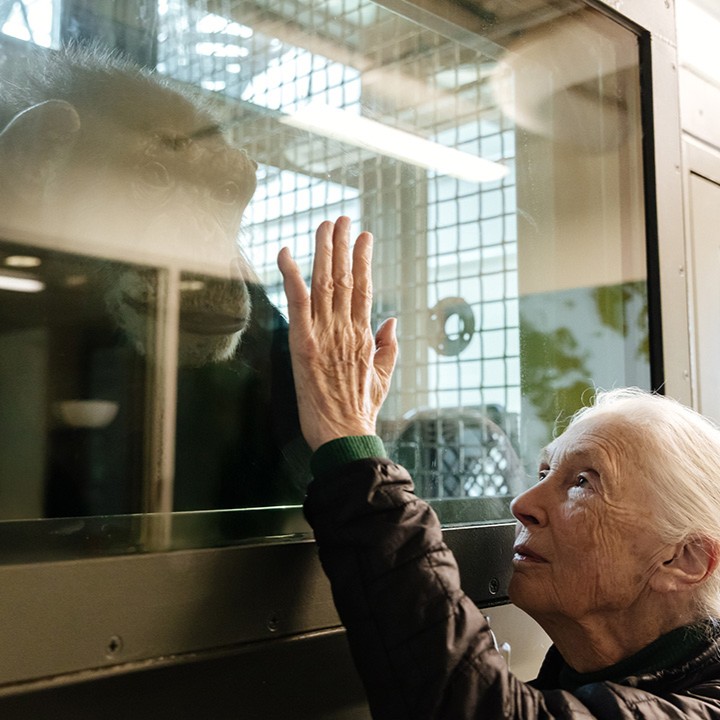
- The legacy of Dr. Jane Goodall in primatology and conservation
- The importance of zoos in wildlife conservation and education
- The significance of Dr. Goodall’s recent speaking engagements
- Insights into animal enrichment and enclosure design
- The impact of the Jane Goodall Institute and the Roots & Shoots program
The legacy of Dr. Jane Goodall is profound and extends far beyond her groundbreaking research on chimpanzees. With a career spanning over six decades, Goodall has become a symbol of wildlife conservation and animal rights advocacy. She is widely recognized for her pioneering work in understanding primate behavior at Gombe Stream National Park in Tanzania. Her observations changed the way humans perceive animals, particularly regarding their emotional and social complexities. Goodall’s ability to connect the dots between animal behavior and human issues has led her to influence a global audience, advocating for environmental stewardship and ethical treatment of all species.
On October 1, 2023, the world mourned the loss of Dr. Goodall while she was on a speaking tour across the United States. Just three weeks prior, she visited Chicago, where she engaged with local supporters and spoke with participants of the Jane Goodall Institute’s Roots & Shoots program at Lincoln Park Zoo. The Roots & Shoots program empowers youth to engage in hands-on projects that promote community service and environmental preservation. This initiative reflects Goodall’s belief that young people can instigate meaningful change. Her direct interaction with these aspiring conservationists showcased her commitment to nurturing the next generation.
During her Chicago engagement, Dr. Goodall addressed an often-contentious topic: the role of zoos in modern conservation efforts. She expressed her support for well-managed zoos that place animal welfare at the forefront of their missions. “Today, when you have a zoo with good and always-getting-better enclosures,” she noted, emphasizing the importance of enriched environments for animals. By highlighting the need for dynamic, engaging habitats, she spoke to a critical aspect of animal welfare that many may overlook. Animals in enriched settings tend to exhibit more natural behaviors, adding layers of authenticity to their captive existence.
Zoos traditionally have been scrutinized for ethical reasons, with concerns about confinement and the impact on animal psychological well-being. However, Goodall argued that zoos with the resources to improve their enclosures not only benefit the animals within but also play a vital role in conservation efforts worldwide. Many zoos contribute to initiatives that protect wild habitats and fund research aimed at preserving endangered species. Goodall advocated for those institutions that recognize their responsibility extends beyond their gates, promoting habitat preservation, and supporting wildlife in its natural setting.
Her recent remarks around zoos come at a critical moment in the conservation conversation. With biodiversity loss occurring at an alarming pace, it becomes imperative for institutions to adopt a proactive stance. Zoos have the potential to serve as educational platforms, raising public awareness about pressing environmental issues. By hosting educational programs and interactive exhibits, zoos can help facilitate a deeper understanding of conservation efforts, aiming to inspire individuals to advocate for change.
Furthermore, Dr. Goodall’s touching final moments with chimpanzees exemplify the kind of emotional intelligence that she brought to her research and advocacy. Seeing these great apes in their well-crafted enclosures clarified her belief that she could leave behind a world where both captive and wild animals knew some semblance of well-being and happiness. This poignant encounter, documented in a news story, reminds us of the essential connection between animal welfare and human compassion.
When focusing on animal welfare, enrichment is a key consideration. Enrichment programs designed for zoo animals can vary widely, from physical activities to cognitive challenges. Implementing a rotating system of enrichment tools serves to stimulate the animals and encourages them to exhibit species-specific behaviors. This is essential for their psychological health and overall well-being. A thoughtful approach to enclosure design can provide animals with choices, levels of interaction, and habitat diversity, which can contribute significantly to their quality of life.
The concept of enrichment becomes crucial when examining the design of enclosures. Modern zoos aim to replicate natural habitats while making allowances for the safety of both animals and visitors. This presents a complex challenge requiring careful consideration of both the physical space and the behavioral needs of the species housed within. Incorporating elements like climbing structures for primates or water features for aquatic animals can offer various avenues for exploration and activity.
Dr. Goodall’s advocacy for animal welfare dovetails neatly with the ongoing work of the Jane Goodall Institute. Founded in 1977, the institute is dedicated to the conservation of chimpanzees and their habitats, and the promotion of sustainable development. Its Roots & Shoots program empowers young people across the globe to become leaders in conservation by tackling environmental, animal welfare, and community issues. This youth-led initiative underscores the belief that today’s young people are not only future leaders but are also capable of making impactful changes right now.
Incorporating hands-on projects, the Roots & Shoots program enables youth to identify local environmental challenges and devise solutions. Participants are encouraged to engage in activities that lead to measurable change in their immediate communities, thus fostering a sense of responsibility and leadership. This aligns perfectly with Goodall’s overarching message of hope and agency in confronting ecological challenges.
Goodall’s legacy continues to inspire countless individuals and organizations to champion conservation efforts while emphasizing the interconnectedness of all living beings. Her teachings encourage a holistic approach to wildlife conservation that not only considers animals within the confines of a zoo but also the broader implications of human actions on endangered ecosystems.
Through her work, Dr. Goodall solidified the importance of interdisciplinary collaboration in conservation. Bringing together experts in biology, ecology, sociology, and ethics can lead to more comprehensive and effective strategies for addressing conservation challenges. Her message resonates today as global challenges, such as climate change and habitat destruction, require multifaceted solutions that engage diverse perspectives.
The importance of compassionate stewardship becomes increasingly evident as more species face the brink of extinction. As habitats are lost and economies are strained by climate crises, the role of dedicated scientists and conservationists becomes paramount. Institutions like the Jane Goodall Institute take on this responsibility, advocating for policies that protect biodiversity and prioritize animal welfare.
The passing of Dr. Jane Goodall marks the end of an era but simultaneously stands as a powerful reminder of the work that remains. Her voice will continue to echo through the actions of the young conservationists she empowered, the institutions she inspired, and the projects she championed. Future conservationists can be galvanized by her teachings, wisdom, and fight for the planet and all its inhabitants.
Through her unwavering commitment to understanding animals and advocating for their rights, Dr. Goodall has changed the world. Her beliefs about the role of zoos in conservation, her insights into animal welfare, and her efforts to engage younger generations in meaningful action serve as a blueprint for future advocacy.
As society reflects on her contributions, it is vital for individuals to take up the mantle she carried. In doing so, they will not only honor her memory but also actively participate in ensuring a healthier, more sustainable world where both humans and animals can thrive.
*****
Source Description
Renowned scientist and conservationist Dr. Jane Goodall passed away on 1 October while on a recent speaking tour through the U.S. Three weeks prior to her passing, one of her stops took her to Chicago, where she spent time inspiring local supporters and speaking with participants of the @JaneGoodallInst Roots & Shoots program at @LincolnParkZoo.
During her discussion, Goodall took the opportunity to voice her support for zoos. “Today, when you have a zoo which has good and always-getting-better enclosures, enriched (animals), changing the enrichment all the time to give them something to do—the difference that makes is unbelievable,” she said. “And zoos that are able to spend money to help conservation causes out in nature—those are the zoos I’m advocating for, and all the time pushing for other zoos to get better.”
Read the full “In the News” story about Jane’s touching moment seeing chimps for her last time. https://www.aza.org/connect
Link is also in the bio.
