
- The biology and behaviors of dwarf mongooses
- The significance of breeding programs in captivity
- The role of mongooses in their ecosystems
- Conservation efforts and challenges facing dwarf mongooses
- Visitor education and engagement at zoos
Dwarf mongooses, scientifically known as Helogale parvula, are small, social mammals that captivate visitors at many zoos, including our River’s Edge habitat. These creatures exhibit fascinating behaviors and characteristics worth exploring deeply. Their biology plays a crucial role in making them one of the most engaging species for animal lovers.
Dwarf mongooses are small, weighing only about 1 to 2.5 pounds, and measuring approximately a foot long, including their tails. They are known for their playful nature and intricate social structures, often living in groups of up to 40 individuals. Within these family units, they display cooperative behaviors such as grooming and sentinel watching. The latter involves one individual standing guard while others forage, highlighting their intelligent social dynamics.
These mongooses have a diet primarily consisting of insects, small reptiles, and rodents. Their keen sense of smell and agility allows them to hunt and consume prey efficiently. They can even crack open the hard shells of beetles and other arthropods, demonstrating remarkable physical adaptations. Understanding the biology and behaviors of dwarf mongooses enriches our appreciation of how they fit into their ecological niche.
Captivity breeding programs, like the one we have for dwarf mongooses, are instrumental in conserving various species. Breeding is often necessary due to habitat loss and the global decline of wildlife populations. As we welcomed Cyclone, Doppler, Nimbus, and Radar into our family of dwarf mongooses, it becomes clear that these programs are more than just a way to increase animal numbers; they are essential for preserving genetic diversity.
Successful breeding programs typically focus on the genetic health of populations. Using careful record-keeping and breeding strategies, zookeepers can avoid inbreeding and bolster the overall resilience of the species. This approach has led to multiple success stories, where animals bred in captivity can later be reintroduced into their natural habitats. Such efforts monitor ecological stability and enrich local biodiversity, contributing significantly to the survival of the species.
In the wild, dwarf mongooses are vital members of their ecosystems. They play a crucial role in controlling insect populations, contributing to balanced food webs. Their foraging habits circulate nutrients within the soil, promoting healthy plant growth. By keeping pest populations in check, these mongooses support the health of other species that rely on the plant community.
The social structure of dwarf mongooses adds another layer to their ecological importance. Their cooperative hunting strategies and group living can improve survival rates against predators. Insects, rodents, and small reptiles—dwarf mongooses’ primary food sources—are also controlled more effectively when these animals hunt in packs. The presence of mongooses can therefore signify a healthy ecosystem, which reflects biodiversity.
Despite their resilience, dwarf mongooses face numerous challenges, especially in their native habitats across Africa. Habitat loss due to agricultural expansion and urbanization poses significant threats. As natural environments shrink, competition for resources intensifies. Moreover, climate change adds another dimension of risk, disrupting the habitats where dwarf mongooses thrive.
Conservation efforts to protect these mongooses involve the collaboration of zoos and wildlife organizations worldwide. By raising awareness and implementing species management plans, zoos contribute significantly to the overall health of populations in the wild. Each successful breeding program acts as a safeguard against extinction and highlights the importance of zoos in educating the public about wildlife conservation.
Visitor engagement plays a crucial role in these conservation efforts. At our River’s Edge exhibit, guests have the opportunity to observe dwarf mongooses in action. Interactive presentations and feeding sessions showcase their natural behaviors and educate visitors about their role in the ecosystem. This direct connection often sparks interest and commitment to wildlife conservation, making awareness campaigns more impactful.
Educational displays provide insights into the natural history of dwarf mongooses, fostering a deeper understanding of their biology and social dynamics. By explaining their diet, reproductive habits, and the ecosystems in which they thrive, we empower visitors to appreciate these animals beyond mere entertainment. This shift in perspective can inspire future conservationists and promote broader initiatives aimed at protecting wildlife.
Communication strategies that engage visitors are vital. Technology and social media can enhance outreach efforts, ensuring that information is accessible and engaging. By utilizing platforms like Instagram, zoos can share real-time updates about animals, events, and conservation campaigns. This approach promotes ongoing discourse about wildlife and encourages proactive engagement in both local and global conservation issues.
Fostering emotional connections to animals, such as our dwarf mongooses, enhances stewardship. When individuals learn about their behaviors and the challenges they face, they are more likely to support conservation initiatives. Initiatives involving community action, such as clean-up efforts and habitat restoration projects, can be bolstered by public interest in local wildlife.
Ultimately, dwarf mongooses serve as an essential case study in the realms of zoology and conservation. The complex interplay of their biology, behaviors, and roles in their ecosystems provides rich insights into the critical dynamics of animal populations. Captive breeding programs are crucial for maintaining genetic diversity, while effective communication and education enhance public engagement with wildlife conservation efforts.
Maintaining healthy populations of dwarf mongooses also provides essential opportunities for future research. Ongoing studies focusing on their social structures, breeding patterns, and ecological interactions could yield significant contributions to our understanding of similar species worldwide.
As we observe Cyclone, Doppler, Nimbus, and Radar grow within our zoo, we are reminded of the interconnectedness of all species and the responsibility we bear in protecting them. By emphasizing the importance of dwarf mongooses in their natural environments, we can foster a more engaged and informed public, dedicated to the sustainable stewardship of our planet.
Comprehensive conservation strategies can be implemented, not only by governmental and non-profit organizations but also by everyday citizens. Encouraging individuals to support local wildlife initiatives and participate in eco-friendly practices can create a ripple effect, greatly benefiting ecosystems. The appreciation of dwarf mongooses can extend into efforts aimed at preserving entire habitats, ensuring that diverse wildlife continues to thrive amid changing environments.
In essence, the story of dwarf mongooses is one of resilience, cooperation, and ecological importance. Their presence at our Zoo not only educates but also inspires action. Each visitor who learns about these animals contributes to a broader conversation about wildlife conservation and environmental responsibility. This synergy between education and action is crucial for achieving long-lasting impacts on biodiversity and ecosystem health.
*****
Source Description
No trending audio. Just mongoose munchies. 🔊
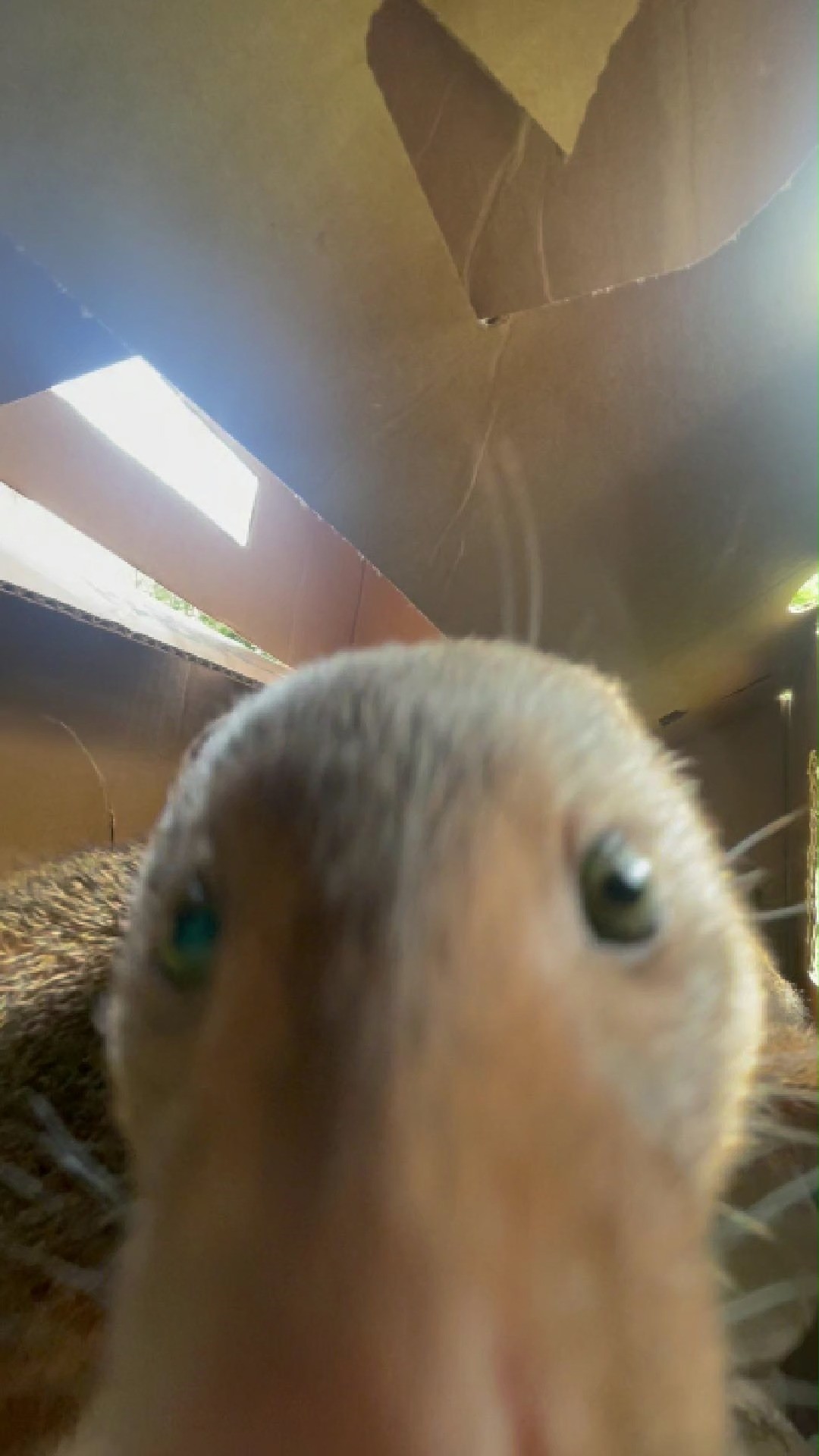
Our dwarf mongoose family is constantly growing here at the Zoo. Recently, we welcomed Cyclone, Doppler, Nimbus and Radar—four pups named after the storms close to their birth in the spring. You can see (and hear 😉) all our mongooses on-habitat in River’s Edge!
