
- Overview of Clouded Leopards: Characteristics and Habitat
- Threats to Clouded Leopard Populations
- The Role of Zoos in Conservation
- Community Engagement and Education Efforts
- How You Can Contribute to Clouded Leopard Conservation
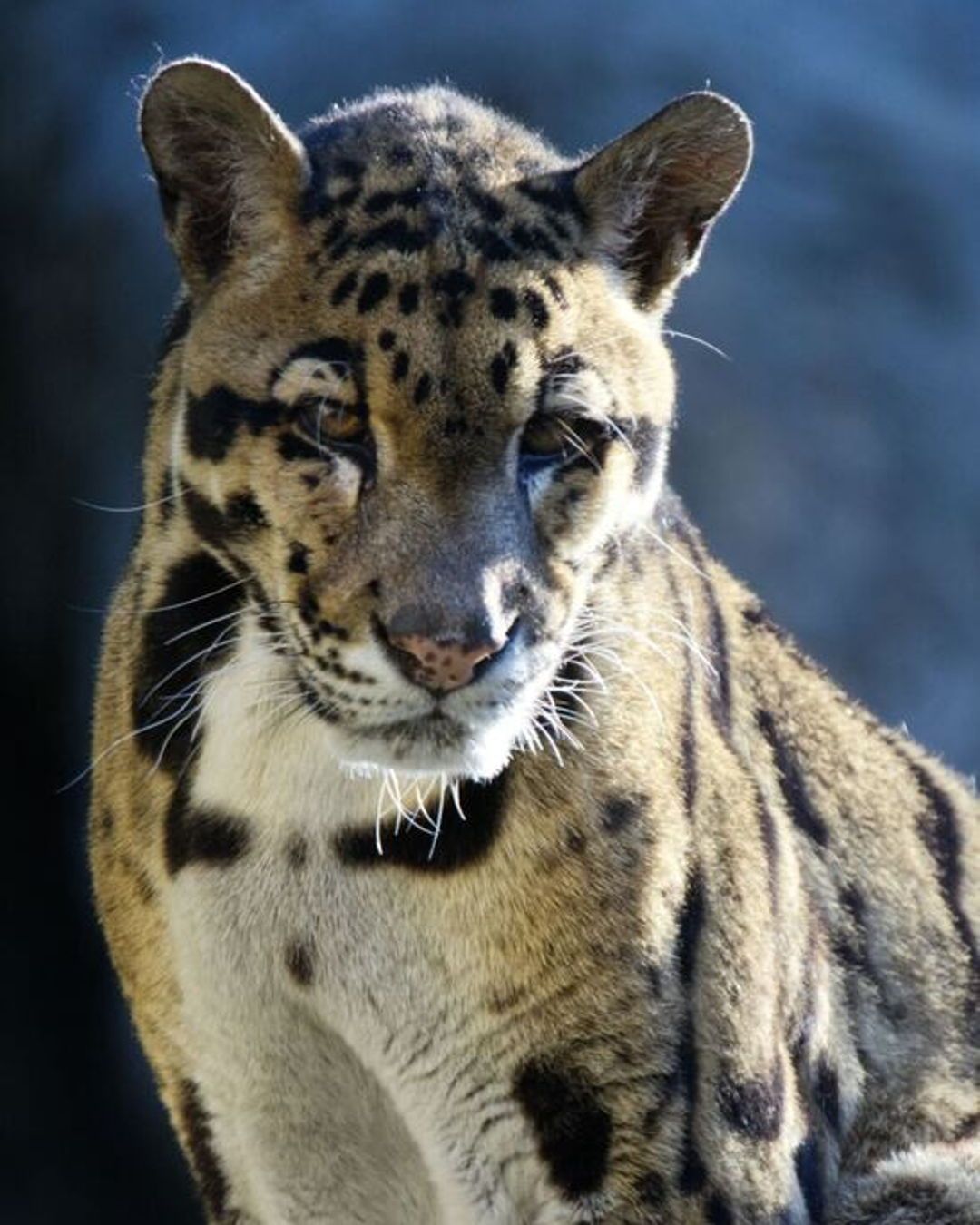
Today we celebrate the fascinating clouded leopard on Happy International Clouded Leopard Day! These incredible felines are not just beautiful; they are vital components of their ecosystems. The clouded leopard, with its striking fur pattern and remarkable adaptations, highlights the diversity of wildlife found in Southeast Asia.
Clouded leopards inhabit fragmented populations across Southeast Asia. Their natural territories extend through forests in countries like Thailand, Malaysia, and Vietnam. These wild cats are adept climbers, thanks to their unique ankle bones, enabling them to descend trees headfirst. This adaptation is particularly useful in their rainforest habitat, where they often hunt for birds and small mammals.
Their most notable feature is their coat, adorned with cloud-like spots, which provides effective camouflage in the dappled sunlight of their forest environment. In terms of size, clouded leopards are medium-sized felines, weighing between 50 to 70 pounds. Interestingly, they possess the longest canine teeth of all cat species relative to body size, a feature that enhances their hunting capabilities.
Despite their remarkable traits, clouded leopards face significant challenges. The International Union for Conservation of Nature (IUCN) classifies them as Endangered. Habitat loss is the primary threat; as agricultural expansion increasingly encroaches upon their natural territories, these felines find themselves with limited space to hunt and reproduce. Furthermore, hunting for their striking fur exacerbates their decline, exacerbating the pressure on already fragmented populations.
The Sacramento Zoo plays a crucial role in conservation efforts. By partnering with the Clouded Leopard Working Group, the zoo supports initiatives aimed at protecting these remarkable animals and their habitats. This collaboration involves working directly with local communities to address the threats faced by clouded leopards. Community engagement is pivotal, as educating local populations on the importance of preserving wildlife can lead to sustainable practices that protect both the animals and their surroundings.
Education is another cornerstone of conservation strategies. Informative campaigns can raise awareness about the ecological role of clouded leopards and the challenges they face. Engaging school programs and community workshops help foster a sense of responsibility towards wildlife conservation. The Sacramento Zoo is keen on providing these resources to inspire future generations to take part in environmental stewardship.
Moreover, individuals can make a significant impact. Sharing pictures of clouded leopards on social media is a fun way to promote awareness. Tagging the Sacramento Zoo or the Clouded Leopard Working Group can amplify the message of conservation further. Additionally, supporting conservation organizations financially or through volunteering can also help protect these endangered cats.
The case of the clouded leopard extends beyond its population numbers. It symbolizes the intricate balance of biodiversity that supports life on our planet. As apex predators, they help maintain the health of their ecosystems by controlling the populations of their prey. This role is vital in the broader context of environmental stability.
Research also plays a pivotal role in conservation strategies. Scientists are continuously studying clouded leopards to learn more about their behavior, reproduction, and ecology. This scientific knowledge informs conservation planning and helps in creating effective management strategies. Understanding their genetic diversity, for example, can lead to informed decisions about breeding programs in captivity.
Efforts to protect clouded leopards must also include preserving their habitats. Establishing protected areas and corridors that connect fragmented forests is essential for their survival. These measures allow for genetic exchange between populations, which is crucial for their long-term viability.
Policy changes can also have a lasting impact. Advocating for laws and regulations that protect habitats and restrict poaching practices can be instrumental. Engaging policymakers in discussions about sustainable land use practices encourages a holistic approach to conservation.
For clouded leopards, the future hinges on collaborative efforts that bridge gaps between conservation organizations, governmental bodies, and local communities. This cooperative model can lead to practical solutions that protect not only the clouded leopards but the rich biodiversity they represent.
In addition to legislation and habitat protection, it’s crucial to promote ecotourism in clouded leopard territories. Responsible tourism can generate income for local communities while educating visitors about the importance of biodiversity. Through ecotourism, locals can develop a vested interest in preserving their natural resources.
On this International Clouded Leopard Day, let’s recognize these remarkable felines. Their future is delicate yet holds the potential for recovery with appropriate measures in place. The key lies in our collective action, whether through conservation efforts, education, or personal commitment.
Every voice counts when it comes to raising awareness. Engage in social media conversations, share your favorite clouded leopard pictures, and tag the Sacramento Zoo or the Clouded Leopard Working Group to amplify the message of conservation. Each small action can contribute to the larger effort to protect these extraordinary creatures.
By understanding the intricate dynamics surrounding clouded leopards, we can better appreciate their role in the ecosystem. These incredible cats are more than just beautiful animals; they are indicators of ecological health. The decline of clouded leopards signals a larger issue, one that affects countless species and the health of our planet.
Thus, ensuring a future for clouded leopards is not only about saving a species but preserving the intricate tapestry of life that enriches our environment. Your engagement makes a difference. Every bit of knowledge shared, every conversation initiated, and every action taken spreads the message of conservation.
Celebrate the unique beauty of clouded leopards, join the conversation, and help turn the tide in favor of wildlife conservation. Happy International Clouded Leopard Day!
*****
Source Description
Happy International Clouded Leopard Day!
☁️🐆
Today we celebrate these incredible felines, including the two that call the Sacramento Zoo home!
These wild cats are found in fragmented populations throughout parts of Southeast Asia. With their spotted fur pattern, and ankle bones that allow them to climb down trees headfirst, clouded leopards are adept to the rainforests and high-elevation forests that make up their native range. These solitary cats also have the longest teeth and tails proportionate to their body size of any cat species.
Unfortunately, clouded leopards are considered to be Endangered by the IUCN. Loss of habitat due to increasing agricultural expansion, as well as being hunted for their unique fur pattern, have caused wild populations to experience a steady decline.
The Sacramento Zoo is proud to partner with the Clouded Leopard Working Group, who works with local communities to mitigate the threats present to clouded leopards. To learn more about the crucial work being done to protect the habitat and wild populations of clouded leopards, visit @cloudedleopard.cwlg!
Share your favorite clouded leopard pic and tag us to show your passion for clouded leopard conservation!
