
- Understanding animal behavior in their habitats
- Exploring the concept of dens and bedding in wildlife
- Delving into the living environments of Tule the black bear
- Examining the role of zookeepers in animal care and habitat management
- Highlighting wildlife conservation efforts and their importance
Animal behavior is multifaceted, influenced by numerous factors including environmental conditions, species characteristics, and individual preferences. When it comes to wildlife in captivity, understanding these behaviors provides essential insights into their needs and well-being, especially in regard to spaces they choose for rest and isolation.
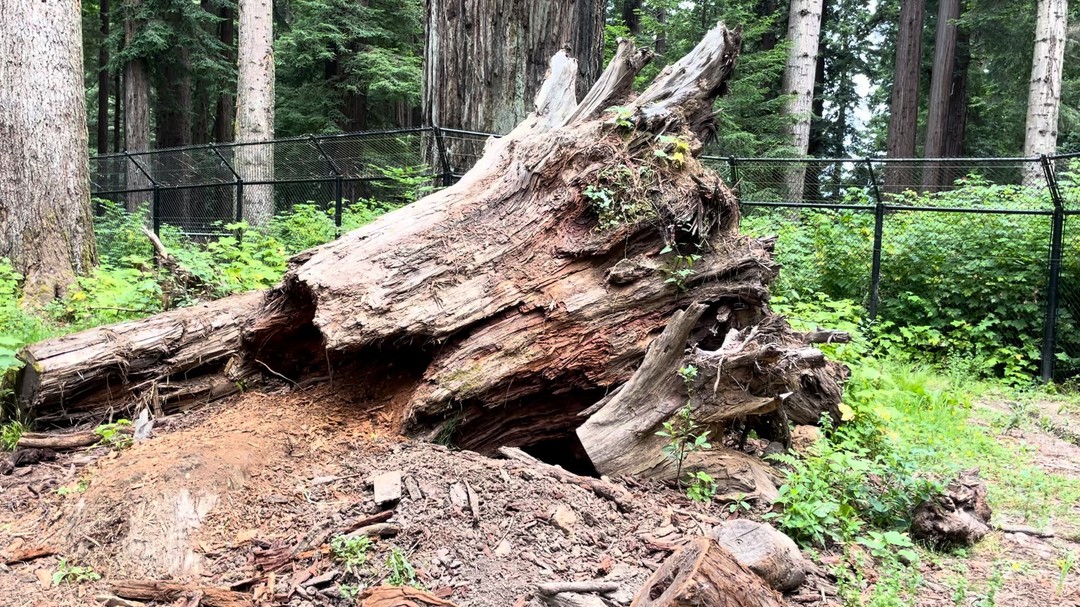
Dens serve as crucial elements in the lives of many animals, particularly in colder months. For Tule, the black bear, his activities in the bear habitat showcase his instincts and preferences. Tule’s digging and rearranging of objects, including the creation of a den beneath a giant redwood root ball, are both instinctual and practical. These behaviors aren’t purely for amusement but rather reflect a natural inclination to create secure and comfortable spaces.
The concept of dens extends beyond mere shelter; it incorporates the idea of protection from the elements and a place for restorative sleep. Bears, such as Tule, often utilize larger dens during cold weather, providing them with insulation and safety. In warmer seasons, they typically opt for smaller day beds. These day beds are simple depressions or pits that can absorb body heat. They provide a comfortable resting place while allowing the bears to stay cool on warmer days. Tule’s day beds, consisting of shredded redwood bark, illustrate how bears create cozy environments that reflect their natural instincts.
Zookeepers play a vital role in understanding and facilitating these natural behaviors. Observing animals like Tule helps zookeepers discern patterns and preferences, informing how habitats are structured and maintained. The ongoing relationship between the animals and their caretakers fosters an environment where animals can express natural behaviors. For instance, providing ample digging material or arranging natural obstacles replicates elements of a bear’s wild habitat.
Zookeepers are trained to recognize specific signs of stress or discomfort in animals. They understand that each species often has unique needs, which can vary from individual to individual. Therefore, the objective is to create environments that mimic those needs. In the case of Tule, providing adequate digging opportunities is not only beneficial for his physical health but also enhances his mental well-being. Engaging in natural behaviors helps reduce boredom and encourages problem-solving, which is crucial for animals in captivity.
Conservation efforts form a vital backdrop for zoos and animal care. Many facilities work not only to care for their animals but also to educate the public and promote awareness about wildlife conservation. By showcasing animals like Tule, zoos can demonstrate the importance of habitat protection and the ecological significance of each species. This connection between animal care and conservation is essential to ensuring the sustainability of wildlife.
Bears hold a significant ecological role in their environments. As omnivores, they play a part in controlling populations of smaller animals and assisting in the dispersal of seeds from berries and other plants. Understanding their behaviors provides insights into the importance of conserving their natural habitats. As habitats face various threats from urban development and climate change, education becomes vital. Zoos play a significant role in raising awareness and fostering a sense of responsibility in the public.
Maintaining a healthy habitat for animals like Tule extends beyond the physical spaces they occupy. It encompasses the mental and emotional well-being of the animals as well. Enrichment activities become essential for keeping animals stimulated. For black bears, activities can range from providing tactile stimulation through various substrates to social interactions with other bears. These activities help replicate the experiences they would have in the wild, enhancing their quality of life.
In the case of Tule, careful observation by zookeepers has identified his affinity for digging. By recognizing this preference, zookeepers can implement strategies to keep him engaged and satisfied. This might include rotating different substrates or materials in his habitat, which keeps the environment dynamic and encourages exploration. Such efforts lead to higher activity levels and less stereotypical behavior, reflecting a healthier and happier animal.
The role of education cannot be understated. Public engagement with wildlife fosters an appreciation that often translates into conservation efforts. When people see animals like Tule, they begin to understand the importance of protecting their natural habitats. They may start advocating for wildlife legislation or participating in eco-friendly practices. The zoo can serve as a bridge between the public and the complexities of wildlife conservation.
Moreover, zoos often engage in breeding programs aimed at preserving genetic diversity. Such initiatives help combat issues related to population decline caused by habitat loss, poaching, and other human-related factors. By prioritizing these efforts, zoos can make significant contributions to the survival of various species, ensuring that future generations can experience the same wildlife we enjoy today.
Protecting natural habitats is vital for all species, including those living within zoos. This means considering how to support the ecosystems that are essential for animal survival. Zookeepers and conservationists often work together to create strategies that not only benefit captive animals but also address the needs of wild populations. This collaborative approach enhances the overall mission of wildlife preservation.
In examining Tule’s habits, we see an example of how individual animal needs are addressed within a broader conservation context. His choices for bedding and shelter reflect a deep-seated instinct that has evolved over centuries. Understanding these behaviors provides insight into the importance of habitat management in ensuring sustainable wildlife populations.
The interconnectedness of animal behavior and habitat structure illustrates the intricate ecosystem dynamics found in nature. Every element serves a function, and each species plays a role in maintaining the balance. Zoos and animal care professionals have the responsibility of preserving this balance through education, care, and conservation.
Adopting a holistic approach to animal care encompasses not only the physical well-being of the species but also their emotional and psychological needs. As we strive for excellence in the management and care of animals like Tule, there is an ongoing commitment to learning and adapting based on their behaviors and reactions. The mission of providing a safe, enriching, and health-focused environment is paramount.
The continuous observation and understanding of animals within their habitats will likely lead to improvements in how we view wildlife care. As we learn more from animals like Tule, we contribute to a growing body of knowledge that informs conservation policies and animal care best practices. This knowledge will ensure future generations have access to wildlife that thrives both in captivity and in the wild.
In essence, understanding where animals rest and how they use their environment to create comfortable habitats is crucial. The role of zookeepers in nurturing these instincts contributes significantly to wildlife conservation efforts and public education. By fostering an environment that encourages natural behaviors, zoos not only enhance the welfare of the animals in their care but also play an essential part in safeguarding the future of wildlife. Through these combined efforts, we can appreciate the beautiful complexity of the natural world and encourage all to play a part in its preservation.
*****
Source Description
Time for another !
Ever wondered where some of the animals are resting when they are nowhere to be seen? Our will show you a zookeeper’s view of the animals’ dens.
Tule the black bear spends lots of his time digging and rearranging giant, heavy objects. He has been busy creating a den underneath of a giant redwood root ball in the back yard of the bear habitat.
Is this cavity really going to be a den, or is he just having fun digging? Time will tell!
Bears tend to use larger, protective dens like this for longer sleeps in cold weather. They usually use day beds during warmer weather or when transitioning out of torpor. Day beds are often small depressions in the ground. Tule’s day beds tend to be underneath of redwood trees, where he arranges shredded redwood bark for a comfy bed liner. He has many day beds that he has created in the habitats.
