
- Importance of enriching aviary environments for birds
- The nesting behaviors of cavity nesters versus open-nesting species
- The role of materials in bird nesting and breeding
- Overview of the Easter basket activity for aviary birds
- Conservation insights related to aviary birds and their habitats
The enrichment of aviary environments plays a significant role in the overall health and well-being of birds. Birds, similar to other pets and wild animals, require stimulation and opportunities to engage in natural behaviors. An essential part of this stimulation comes from providing appropriate nesting materials. By enhancing their surroundings, we can observe the natural inclinations of various species, reflecting their adaptations over time.
Cavity nesters and open-nesting species exhibit distinct behaviors that influence their nesting habits. Cavity nesters, such as woodpeckers and certain parrots, excavate holes in trees. These species typically show interest in materials that assist in hunting for insects beneath the bark of trees. Their focus is less on creating nests from extrinsic materials and more on securing their breeding environment. In contrast, open-nesting birds, such as starlings and weavers, showcase a different approach. These species actively seek materials to construct intricate nests, often weaving together available resources to create safe havens for their young.
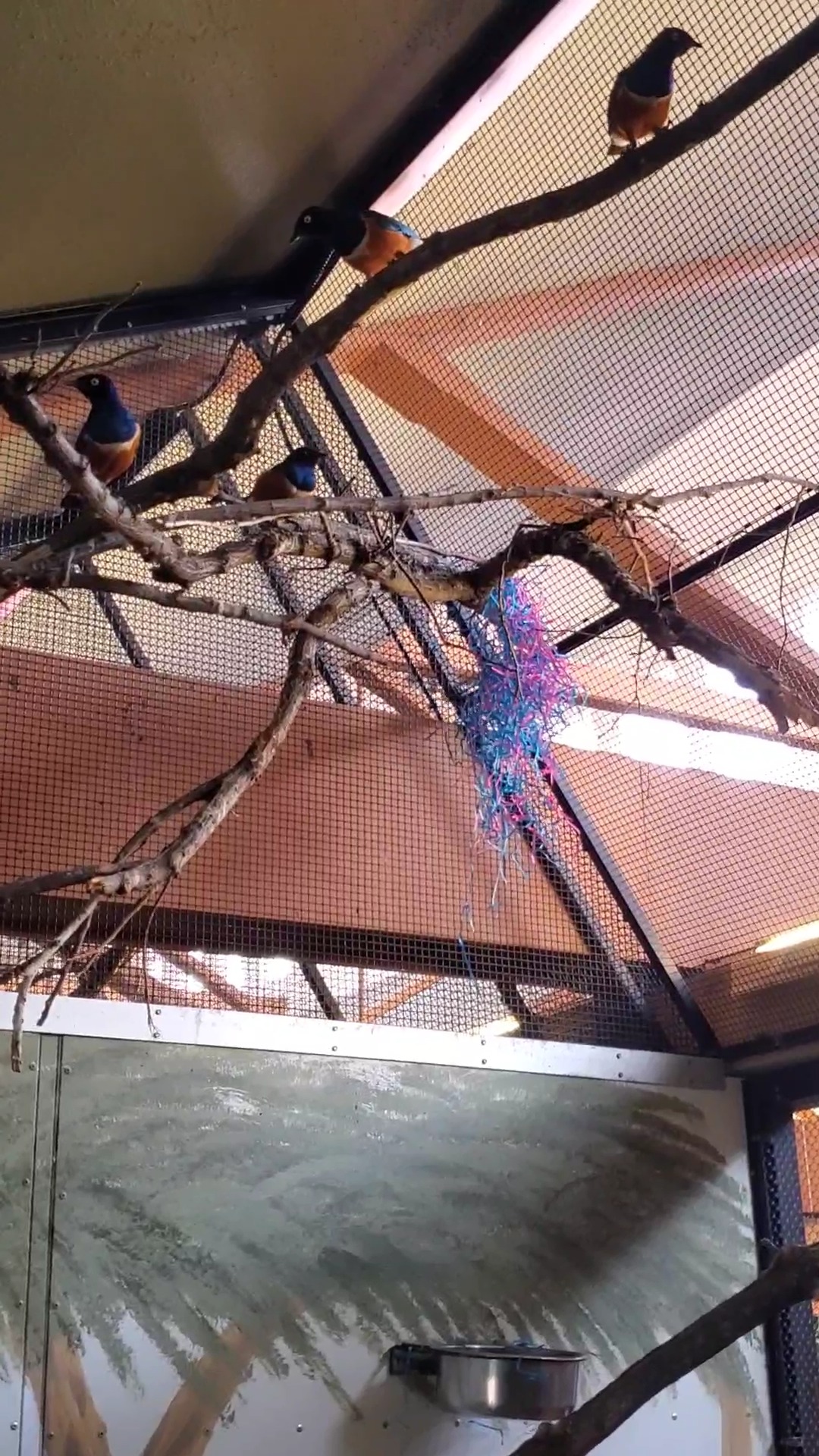
Understanding the specifics of nesting behavior illuminates the role that nesting materials play. For starlings and weavers, the enrichment activity we proposed during Easter weekend illustrates this behavior perfectly. These birds took advantage of our Easter baskets, packing branches with nesting materials. The golden weaver, for example, is renowned for its intricate basket-weaving skills. Such behaviors not only aid in nesting but also allow for social interactions among birds. The activity promotes bonding and competition, vital for the bird community’s dynamics.
For our Easter activity, we created special baskets filled with a selection of safe materials. These included natural grasses, twigs, and dried leaves. Providing a variety of materials encourages creativity in nest-building. By observing which materials the birds prioritized, we were able to glean insights into their preferences. For instance, golden weavers demonstrated remarkable dexterity in weaving and manipulating the materials, while starlings preferred to accumulate and hoard. This kind of play not only entertains the birds but also fosters their natural instincts.
Engaging in activities like this also sheds light on broader conservation efforts related to aviary birds. Many species face habitat loss and shrinking resources in the wild. Conservationists emphasize the importance of enhancing artificial environments to mimic natural settings. By replicating natural sources of nesting materials, rehabilitators and care facilities can better support bird populations. Additionally, community engagement through activities such as our Easter baskets raises awareness of bird behaviors and the environmental challenges they face.
Crucially, providing effective enrichment can lead to notable behavioral changes in birds. Aviary birds experiencing enriched environments demonstrate reduced stress levels and increased activity. The act of collecting and arranging nesting materials is inherently fulfilling for many species. Beyond physical health, mental stimulation plays a key role in the overall well-being of aviary birds. Just as humans benefit from engaging environments, so too do our feathered friends.
Moreover, these types of activities allow for educational opportunities. Observing the behaviors and interactions among species provides insights into their temperaments and needs. Documenting these activities not only assists in developing comprehensive care plans for the birds but also enriches our knowledge of their behaviors. This educational aspect becomes critical when educating future generations about wildlife and conservation.
As we think about the larger implications of our Easter basket initiative, it is essential to recognize the interconnectedness of bird behavior, conservation, and community involvement. Through simple, engaging activities, we can promote awareness and stewardship towards aviary birds. Connecting people to their local wildlife fosters dedication to preserving ecosystems and protecting habitats.
The importance of the environment conducive to bird breeding cannot be understated. Aviary facilities and conservation efforts can benefit significantly from incorporating naturalistic elements into their designs. Providing varied textures and safe materials enriches the aviary landscape, fostering an environment conducive to natural behaviors. This approach enables continued exploration and fulfillment for avian residents.
In conclusion, engaging with aviary birds during events like Easter can provide valuable education regarding bird behaviors and conservation awareness. The simple act of enriching their environment allows us to witness fascinating interactions and behaviors. As we continue to advocate for birds and their habitats, each initiative provides a stepping stone towards a more profound understanding and commitment to avian welfare.
*****
Source Description
For Easter weekend, we had some easter baskets for our aviary birds! 🐾
Some birds, like our cavity nesters, excavate holes in trees, so they are typically only interested in this kind of enrichment when hunting for insects through it. However our starlings and weavers prefer to use it as nesting material, packing it on a branch until its solid enough to nest on, or weaving it into an intricate basket as the golden weavers do! 🐦⬛
